



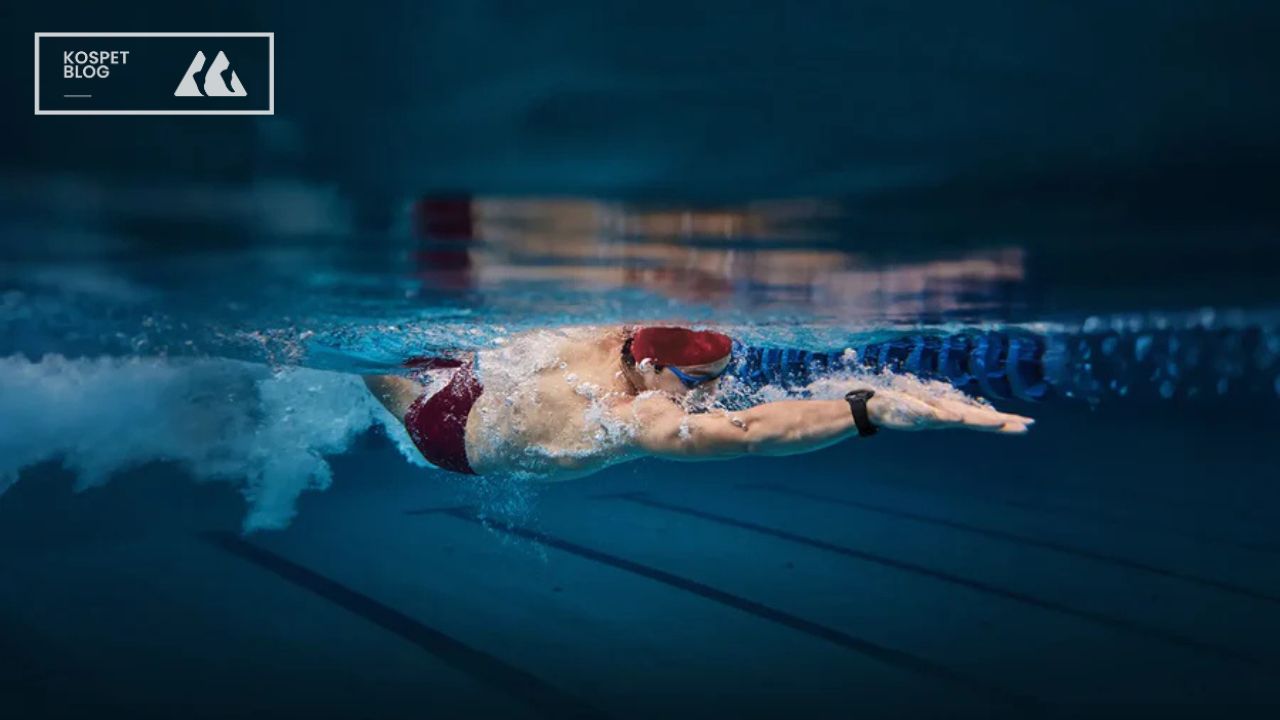
Les montres connectées pour la natation sont essentielles pour suivre les performances en piscine, qu’il s’agisse de mesurer les temps au tour, de surveiller la fréquence cardiaque ou de suivre vos intervalles. Même si beaucoup de montres connectées modernes disposent d’écrans tactiles élégants, ceux-ci ne fournissent souvent pas la fiabilité dont les nageurs ont besoin.
Si vous avez déjà utilisé une montre connectée à écran tactile en nageant, vous savez à quel point il peut être frustrant que l’écran ne réponde pas ou que des touches fantômes faussent les données de votre entraînement.
Dans cet article, nous allons voir pourquoi une montre connectée pour la natation avec boutons physiques est un bien meilleur choix pour les nageurs qui veulent des performances précises, fiables et ininterrompues.

Le problème des écrans tactiles sous l’eau
Comment les écrans tactiles échouent dans l’eau
Les montres connectées à écran tactile reposent sur une technologie capacitive, qui détecte l’entrée grâce à la charge électrique de votre doigt. Si cela fonctionne parfaitement en conditions sèches, l’eau pose un problème.
L’eau, en particulier l’eau salée ou chlorée, conduit l’électricité et perturbe la capacité de l’écran tactile à détecter le toucher. Cela entraîne deux problèmes majeurs pour les nageurs :
- Écrans insensibles : L’écran peut ne pas enregistrer votre toucher, vous empêchant ainsi de contrôler votre montre connectée pendant la nage.
- Touches fantômes : L’eau peut déclencher l’écran, ce qui met la montre en pause ou arrête votre entraînement sans que vous le vouliez.
Pour les nageurs qui comptent sur un chronométrage précis et des données fiables pendant l’entraînement, c’est un problème majeur. Des données inexactes ou peu fiables sont non seulement frustrantes, mais elles nuisent aussi à la qualité du suivi de votre séance.
Le « mode verrouillage eau » : est-ce suffisant pour votre montre connectée de natation ?
Qu’est-ce que le mode verrouillage eau ?
De nombreuses montres connectées de natation proposent une fonction appelée « mode verrouillage eau » pour éviter les touches accidentelles dans l’eau. Ce mode désactive l’écran tactile, de sorte qu’il n’enregistre aucune entrée. S’il peut empêcher les touches fantômes, il a aussi des inconvénients.
Les limites du mode verrouillage eau
Le principal problème du mode verrouillage eau est qu’il limite votre capacité à interagir avec la montre pendant la nage. Vous ne pouvez pas mettre votre séance en pause, enregistrer vos temps au tour ou modifier les réglages pendant que vous nagez.
Pour les nageurs qui doivent suivre des données précises ou ajuster des paramètres en temps réel, c’est un inconvénient important.
En outre, déverrouiller l’écran une fois sorti de l’eau peut prendre du temps et nécessite souvent plusieurs étapes. Cette interruption casse votre rythme et peut conduire à des données inexactes.
Impact sur l’entraînement
Lorsque vous êtes au milieu d’une série de natation à haute intensité, s’arrêter pour déverrouiller l’écran ou ne pas pouvoir enregistrer un temps au tour peut rompre votre rythme. Cela perturbe non seulement votre concentration, mais peut aussi entraîner des données manquantes ou un suivi inexact de vos performances.
Pourquoi les montres connectées de natation à boutons physiques offrent plus de contrôle
Un retour fiable que vous pouvez sentir
Le principal avantage d’une montre connectée de natation avec boutons physiques est le retour tactile qu’ils offrent. Lorsque vous appuyez sur un bouton physique, vous sentez un « clic », ce qui vous confirme immédiatement que l’action a bien été enregistrée.
C’est crucial pour les nageurs, car cela confirme que la commande a été prise en compte, même sous l’eau. Avec les écrans tactiles, vous ne pouvez pas toujours savoir si votre toucher a été enregistré, surtout sous l’eau, mais les boutons physiques apportent cette certitude.
Vous n’avez pas besoin de regarder l’écran ni de douter que la commande ait été acceptée.
Un contrôle sans interrompre votre rythme de nage
Pour les nageurs, maintenir la concentration et le rythme pendant l’entraînement est essentiel. Les boutons physiques vous permettent d’effectuer des actions importantes, comme démarrer ou arrêter le chronomètre, enregistrer les temps au tour et suivre les intervalles, sans avoir à casser votre geste ni à lever la tête pour regarder la montre.
Cela préserve votre rythme de nage, vous permettant de rester concentré sur l’entraînement sans pauses ni interruptions inutiles.
Des performances ininterrompues dans toutes les conditions d’eau
Les boutons physiques ne sont pas affectés par la conductivité de l’eau, ce qui signifie qu’ils fonctionnent parfaitement en conditions humides. Que vous nagiez en piscine, en mer ou même en eau salée, les boutons physiques restent constants.
Cela vous permet de suivre chaque partie de votre nage avec précision sans craindre que des interférences liées à l’eau n’affectent les performances de la montre.
KOSPET TANK M4 : une montre connectée de natation fiable avec boutons physiques

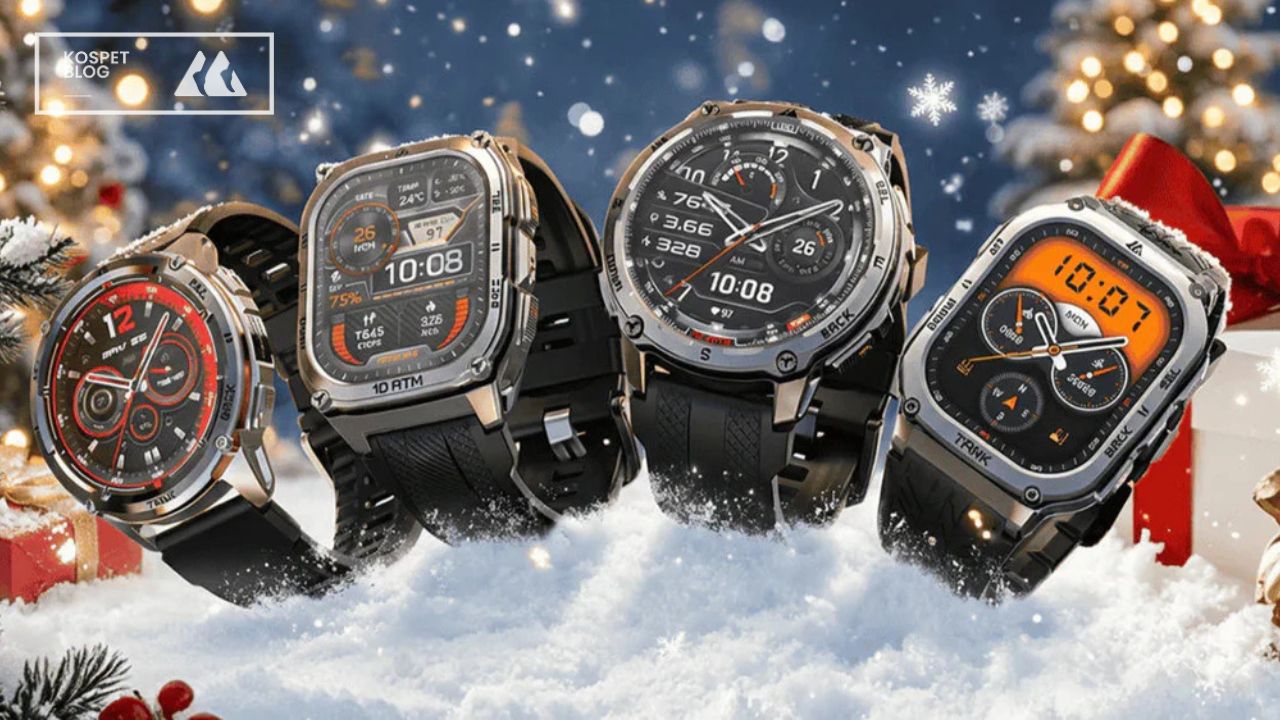
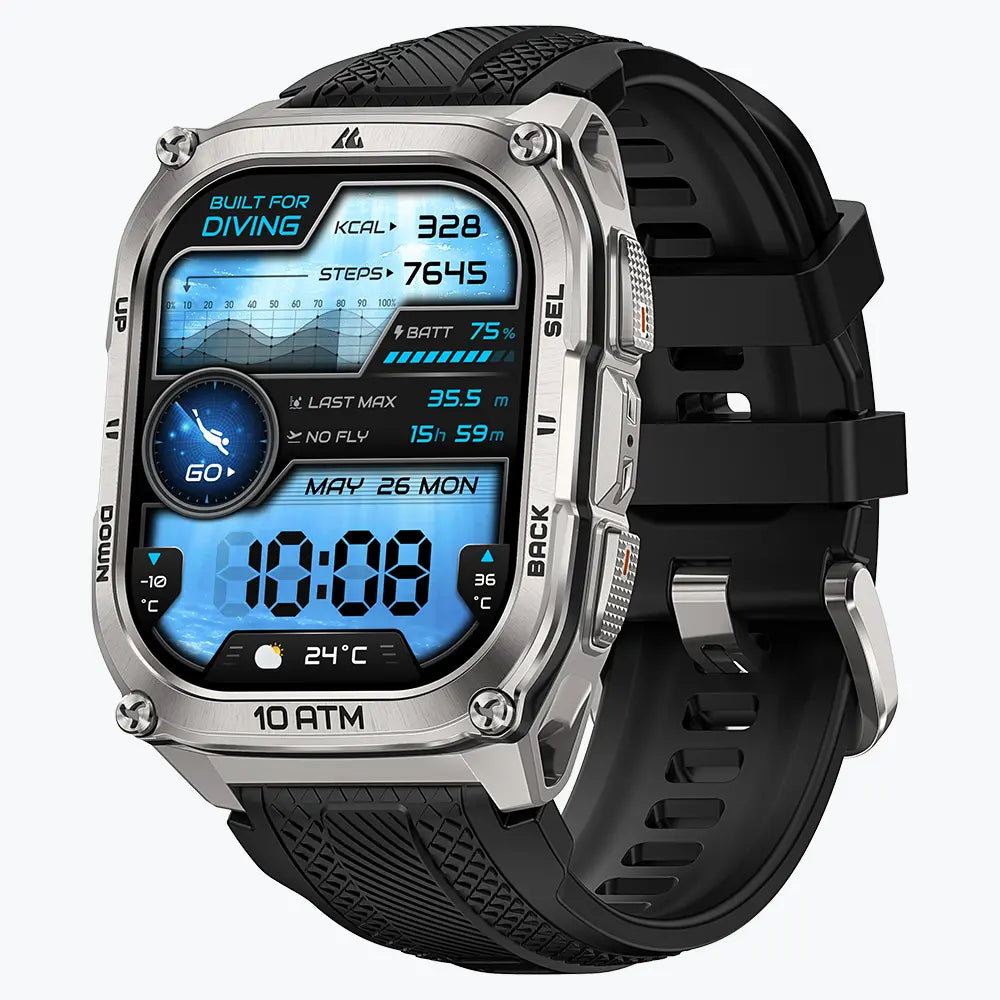
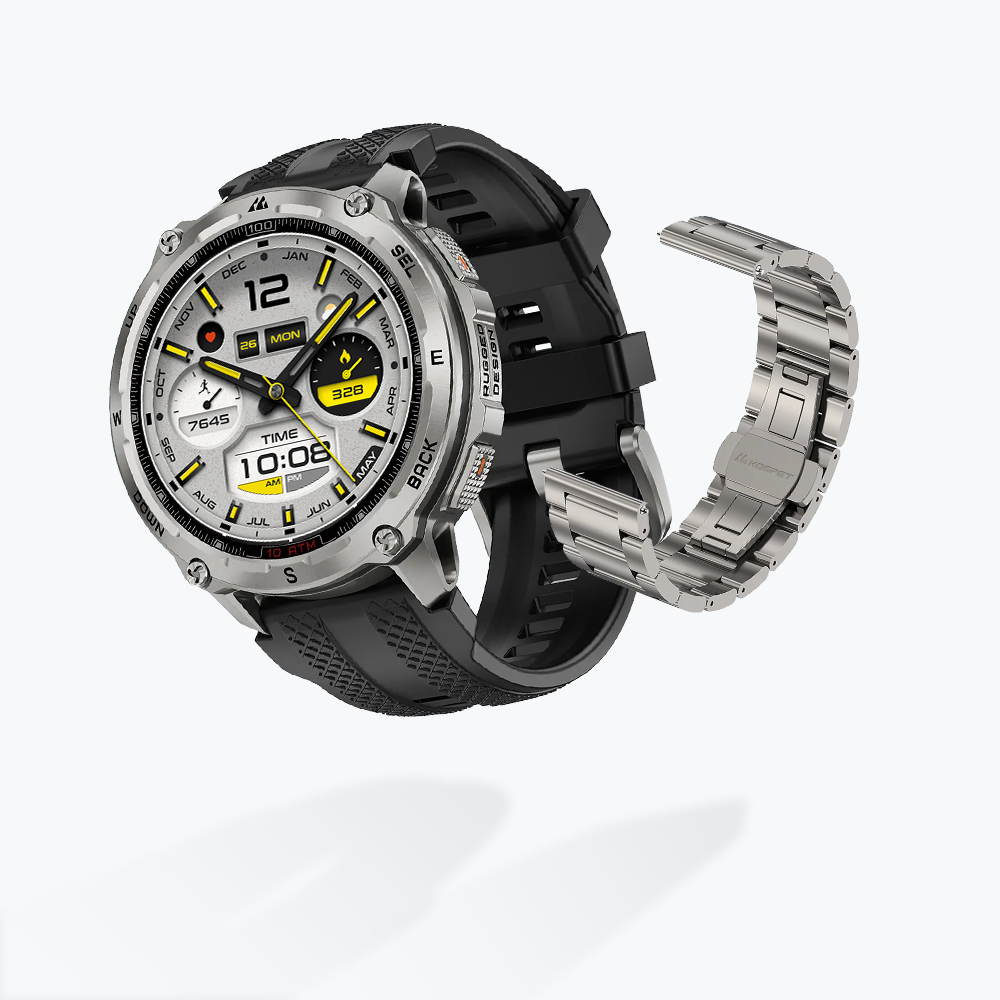
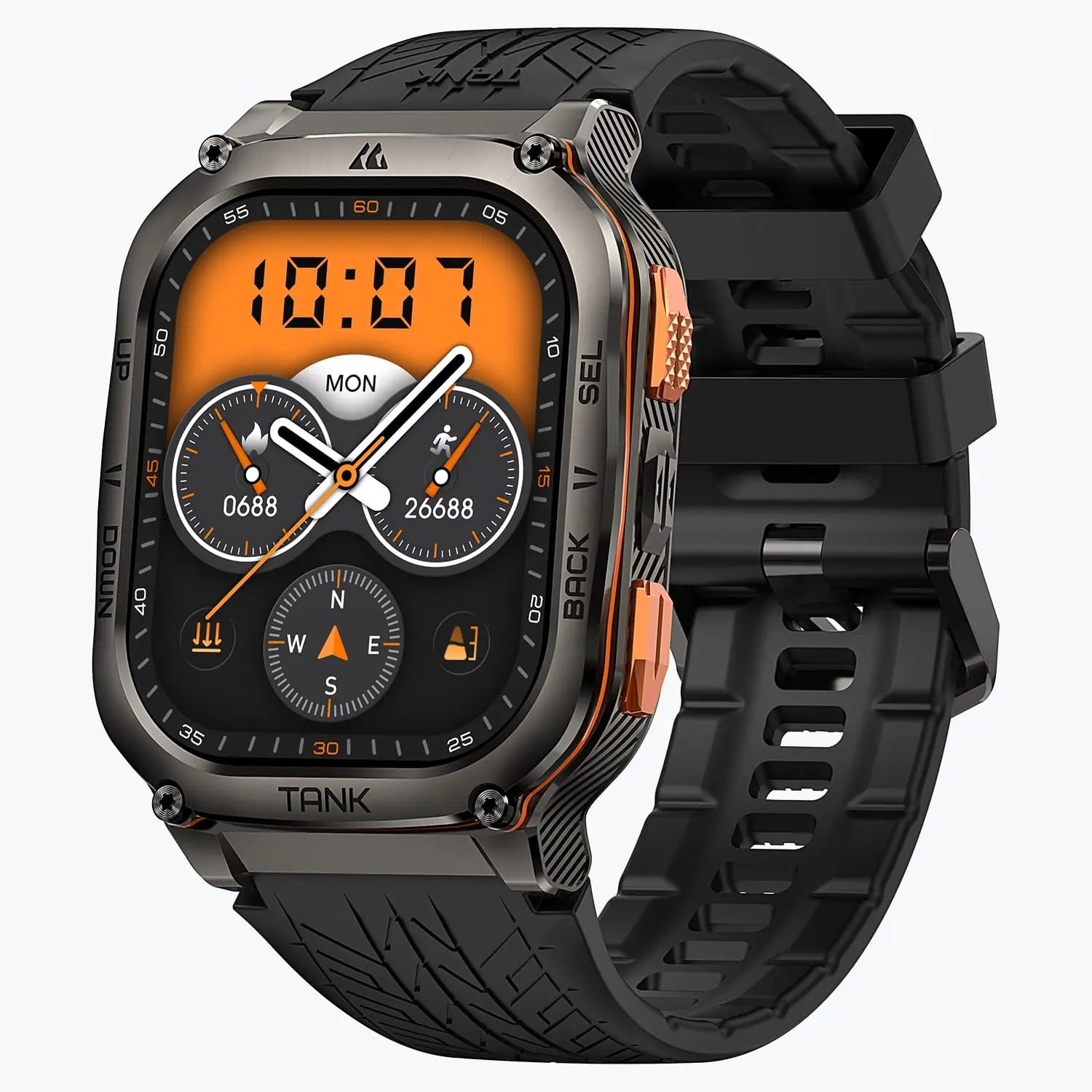
La KOSPET TANK M4 est un exemple parfait de montre connectée de natation avec boutons physiques qui fonctionne bien sous l’eau.
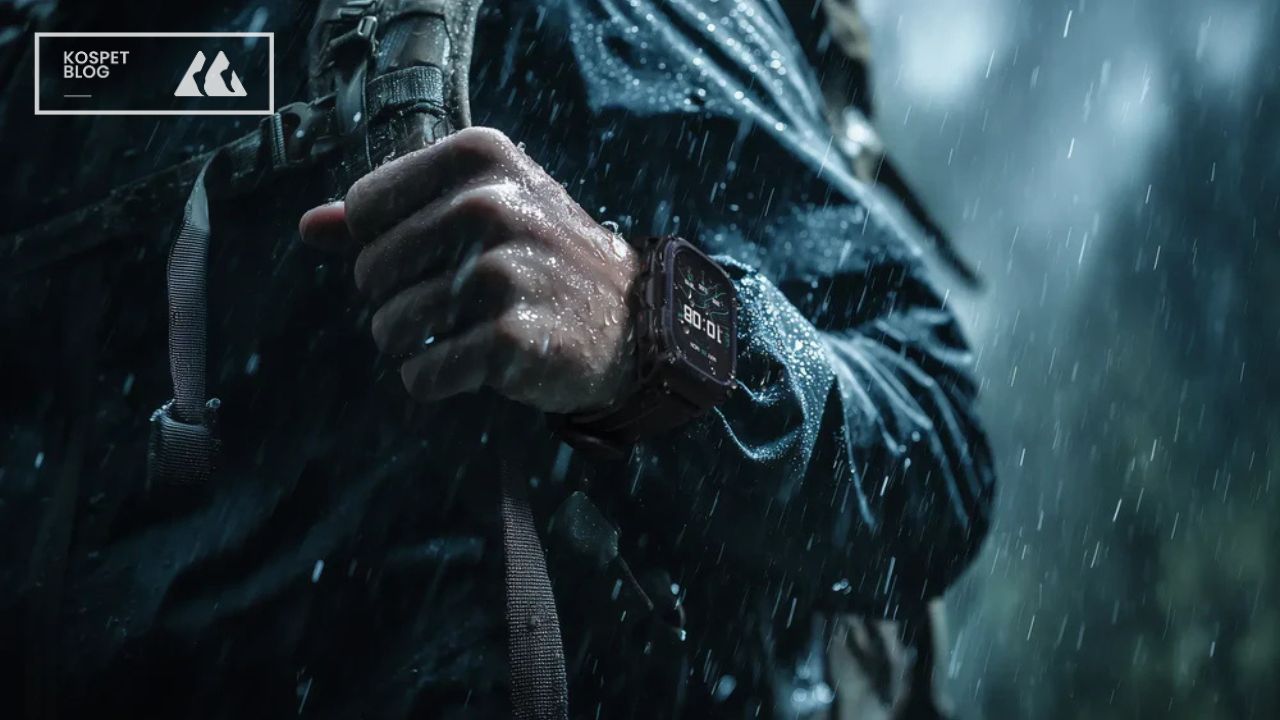
Avec une résistance à l’eau de 10 ATM et la certification IP69K, cette montre est conçue pour les nageurs, les plongeurs et les athlètes qui ont besoin d’un suivi fiable et précis pendant les activités aquatiques.
Les boutons physiques de la TANK M4 offrent un contrôle précis pour des tâches comme l’enregistrement des temps au tour, la mise en pause des entraînements et le suivi des intervalles. Vous pouvez compter sur les boutons pour fonctionner sans interruption, même immergés.
lire aussi: Les meilleures montres sportives imperméables pour hommes pour la natation
Comment les boutons physiques profitent aux nageurs
Précision du suivi des données
Pour les nageurs qui s’appuient sur les données pour améliorer leurs performances, la précision est essentielle. Les boutons physiques garantissent que vos temps au tour, vos temps intermédiaires et votre allure sont enregistrés correctement.
Contrairement aux écrans tactiles qui peuvent ne pas enregistrer votre saisie sous l’eau, les boutons physiques offrent un retour immédiat et fiable. Cela en fait le meilleur choix pour ceux qui ont besoin d’un retour précis en temps réel pendant leur nage.
Durabilité et utilisation à long terme
Les boutons physiques sont beaucoup plus durables que les écrans tactiles, surtout lorsqu’ils sont exposés à l’eau. Un écran tactile peut se dégrader avec le temps, en particulier s’il est régulièrement exposé à l’eau, ce qui peut entraîner une perte de sensibilité ou des dysfonctionnements.
Les boutons physiques, en revanche, sont conçus pour résister à la pression de l’eau, à l’usure et aux utilisations répétées. Ils continueront à fonctionner de manière fiable tout au long de la durée de vie de la montre connectée, offrant une valeur durable aux nageurs.
Aucune perturbation de votre concentration
L’un des aspects les plus importants de l’entraînement est de maintenir la concentration et le rythme. Lorsque vous utilisez une montre connectée avec boutons physiques, vous pouvez contrôler votre appareil sans casser votre mouvement ni quitter l’eau des yeux.
Que vous suiviez des temps au tour, des intervalles ou votre allure, les boutons physiques vous permettent de tout faire tout en restant concentré sur votre nage. C’est essentiel pour les nageurs qui veulent améliorer leurs performances sans interruption.
Écran tactile vs boutons physiques pour les montres connectées de natation
| Fonctionnalité | Montre connectée à écran tactile | Montre connectée de natation avec boutons physiques |
|---|---|---|
| Résistance à l’eau | Limitée – nécessite le mode verrouillage eau pour désactiver le tactile | Fiable – fonctionne de manière constante sous l’eau |
| Utilisation sous l’eau | Touches insensibles ou fantômes, nécessite le mode verrouillage eau | Contrôle précis avec retour tactile, insensible à l’eau |
| Contrôle pendant la nage | Nécessite un déverrouillage ou des gestes, ce qui perturbe le rythme | Contrôle instantané avec des boutons physiques sans casser le rythme |
| Durabilité | Les écrans tactiles peuvent s’user ou mal fonctionner avec le temps | Les boutons durent plus longtemps, sans être affectés par l’exposition à l’eau |
| Rythme d’entraînement | Perturbe le rythme avec des interruptions et des erreurs de manipulation | Maintient le rythme et la concentration grâce à un fonctionnement fluide |
Conclusion
Choisir la bonne montre connectée de natation dépend de la fiabilité et des performances. Même si les écrans tactiles paraissent élégants et modernes, ils échouent souvent lorsqu’ils sont immergés, ce qui provoque de la frustration et un suivi peu fiable des données.
Pour les nageurs, une montre connectée de natation avec boutons physiques offre un contrôle fluide, vous permet de rester concentré sur l’entraînement et garantit un suivi précis de vos données.
Ne vous contentez pas d’un écran tactile qui peut faillir en plein entraînement — optez pour une montre à boutons physiques pour tirer le meilleur parti de vos séances de natation.
FAQ :
Quelle est la résistance minimale à l’eau requise pour la natation ?
Il vous faut au moins 5 ATM (50 meters de résistance à l’eau). Cette classification garantit que la montre peut résister à la natation en piscine et à la pression de l’eau en surface. Cependant, 5 ATM ne protège pas contre les douches chaudes, la vapeur ou la plongée en haute mer.
Dois-je choisir un écran tactile ou des boutons physiques pour un comptage précis des longueurs ?
Les boutons physiques sont généralement supérieurs. Les écrans tactiles sont sujets aux dysfonctionnements et aux touches fantômes lorsqu’ils sont mouillés. Les boutons dédiés offrent un retour tactile fiable et immédiat, ce qui est essentiel pour enregistrer précisément les temps intermédiaires et contrôler des intervalles de nage structurés.
Quelle est la fiabilité du suivi de la fréquence cardiaque sur une montre connectée pendant la natation ?
Le suivi de la fréquence cardiaque intégré à la montre est souvent imprécis sous l’eau en raison des interférences du flux d’eau. Pour les athlètes de compétition qui ont besoin de données précises, il est recommandé d’associer la montre connectée à un capteur externe compatible de ceinture thoracique.






Laisser un commentaire
Ce site est protégé par hCaptcha, et la Politique de confidentialité et les Conditions de service de hCaptcha s’appliquent.