

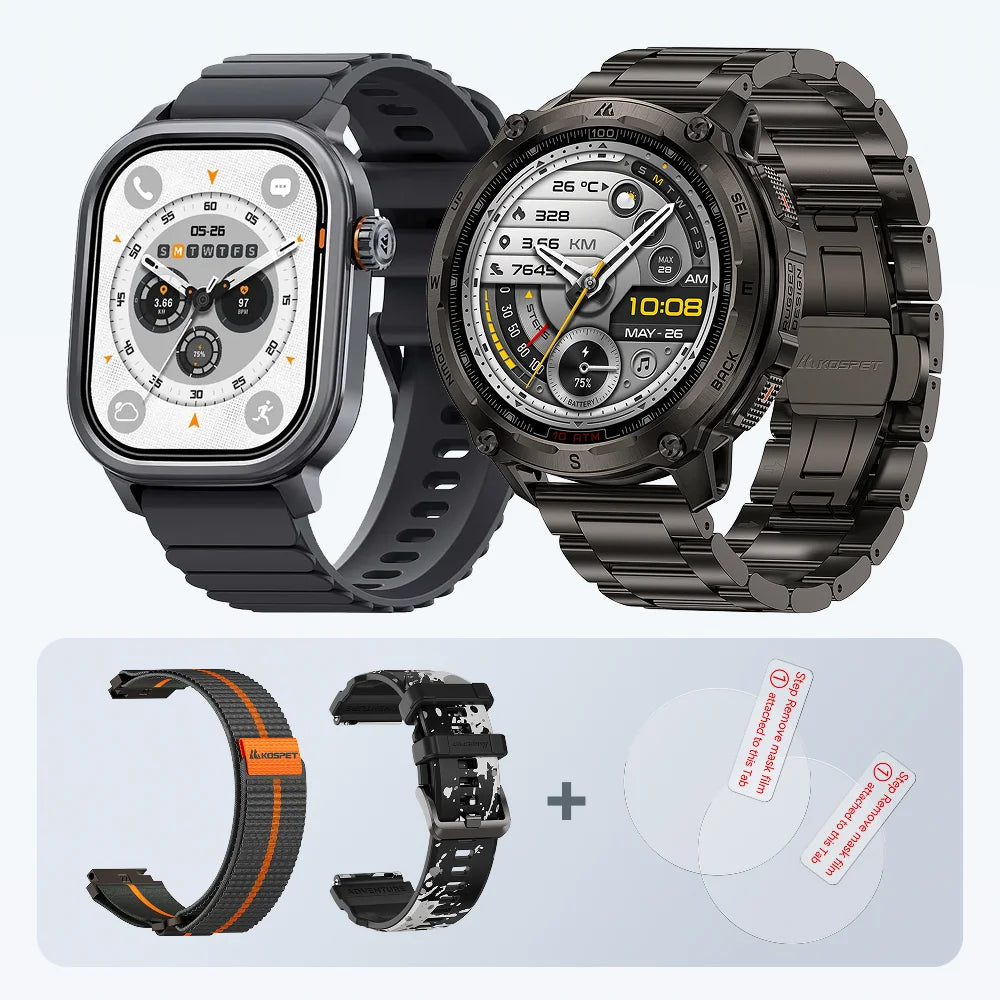
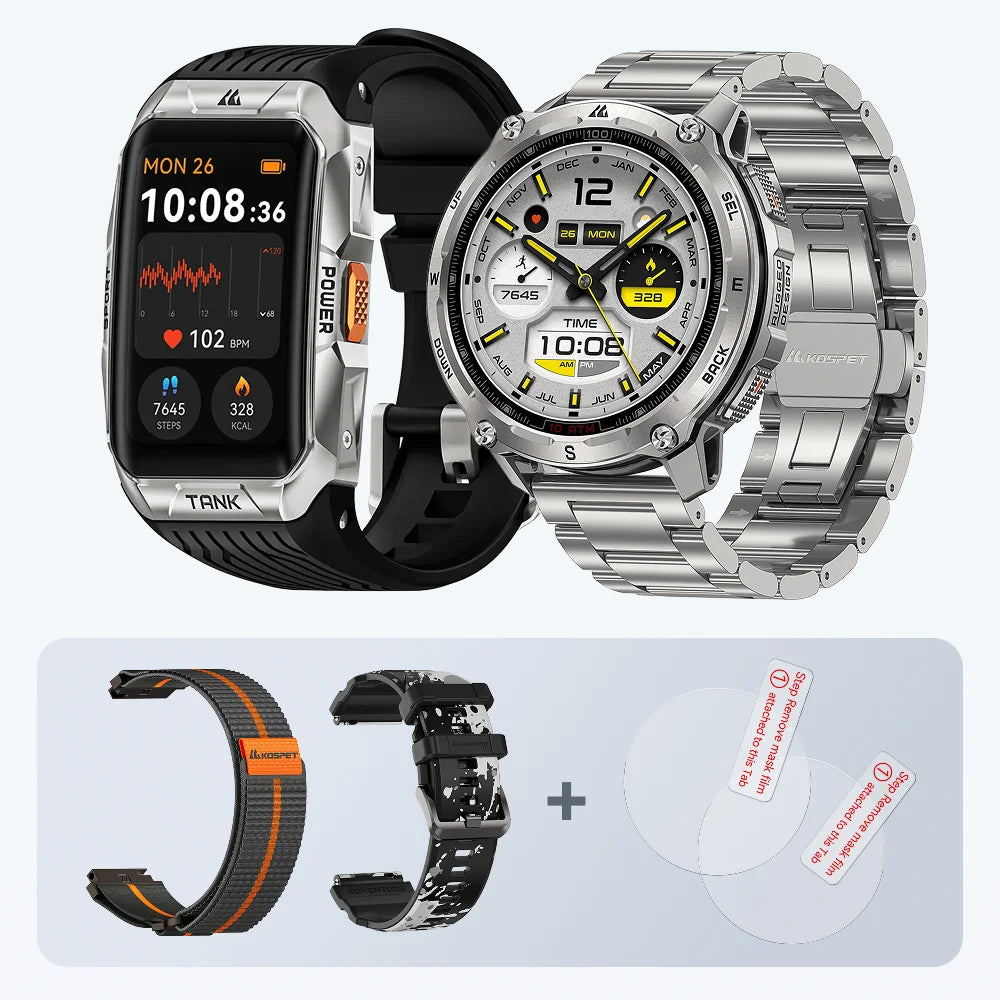
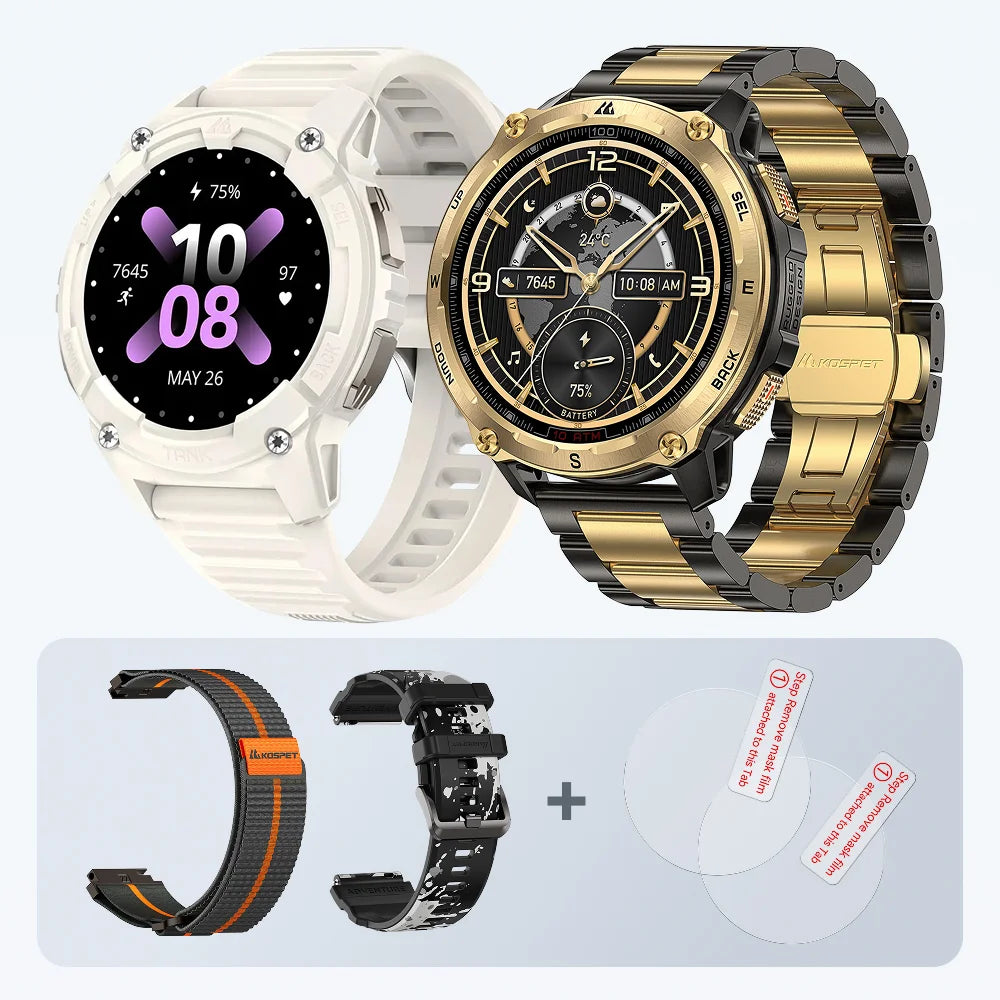
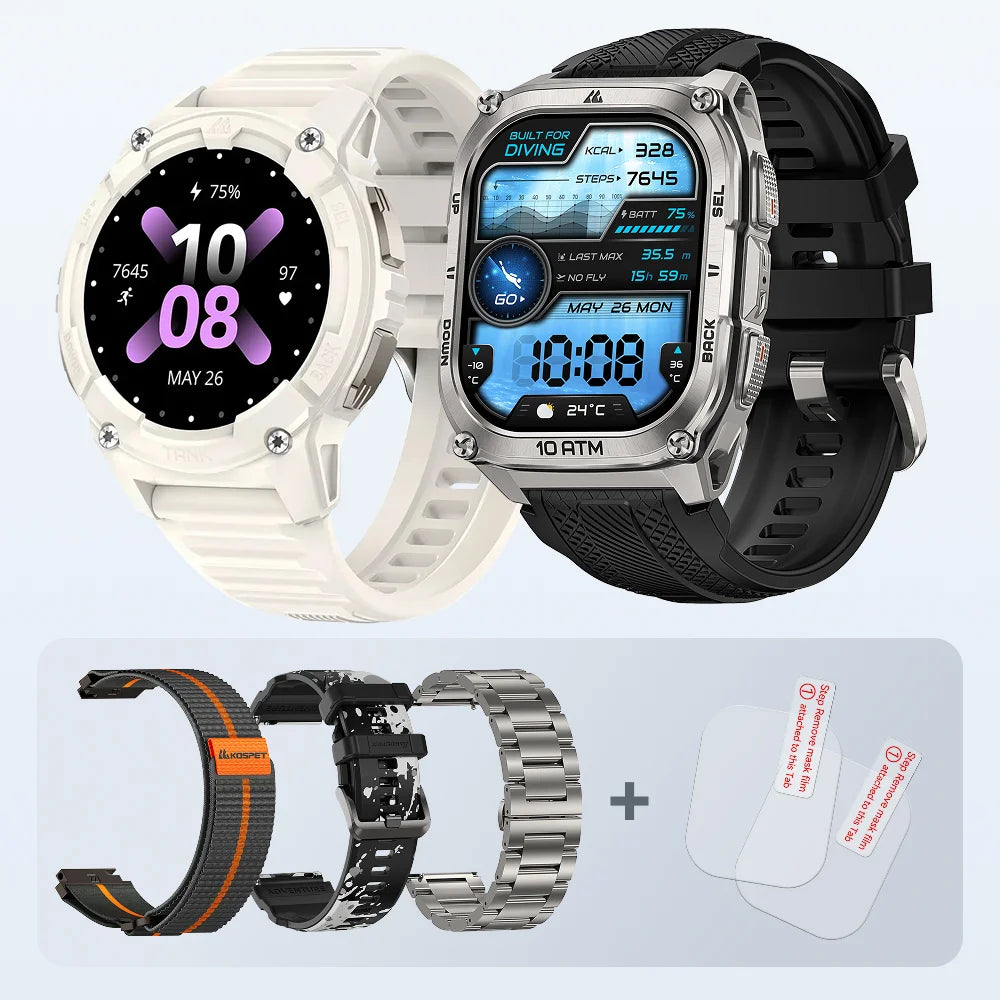
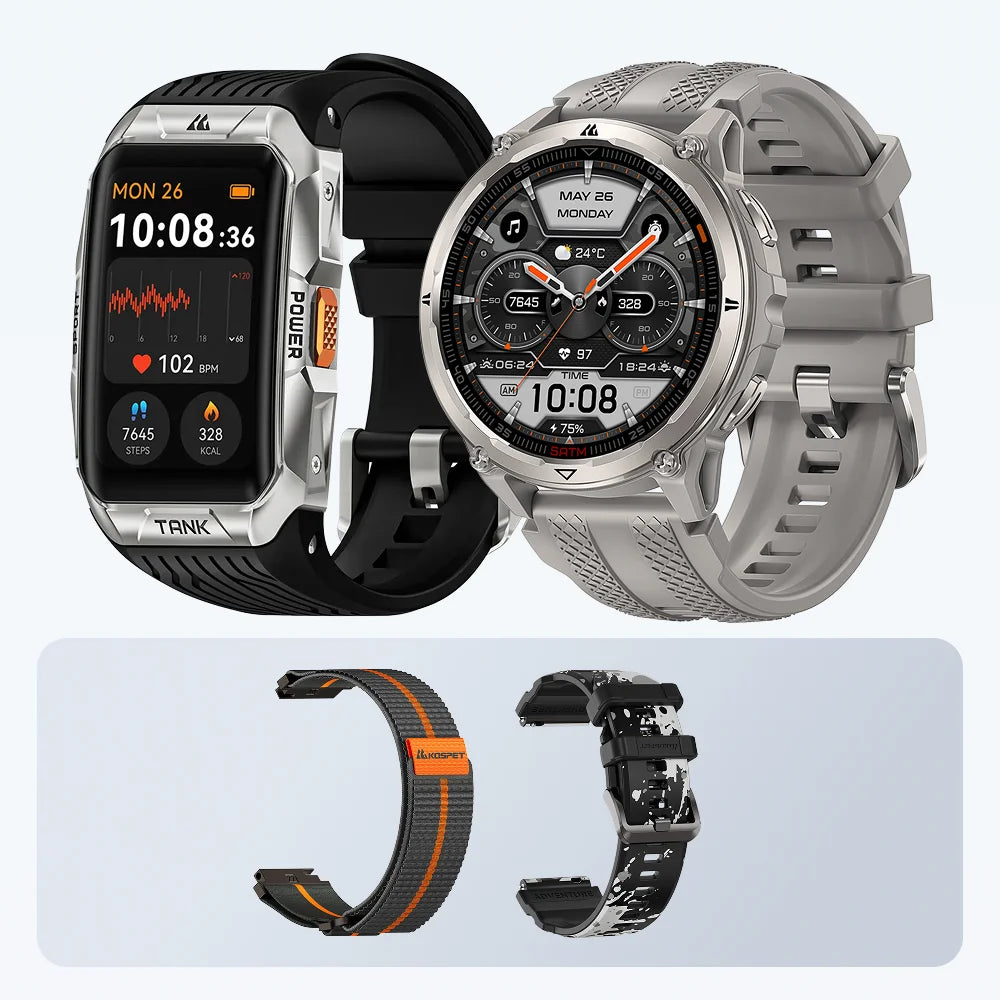
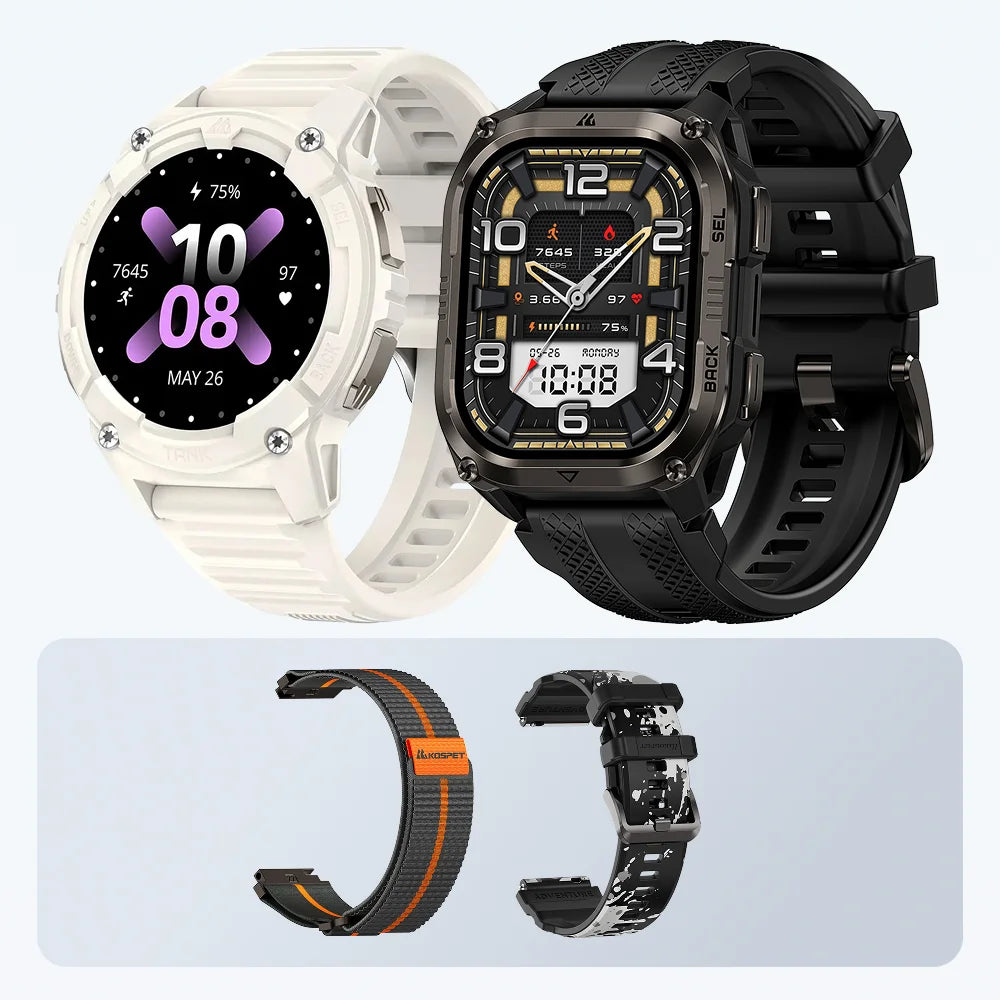


Um smartwatch é suficientemente resistente para trabalho ao ar livre quando continua fiável perante impactos, poeira, água, turnos longos e sol intenso. Esse é o verdadeiro padrão. Os trabalhadores ao ar livre enfrentam riscos físicos como calor, exposição solar e mudanças meteorológicas, por isso um relógio que parece bom em espaços interiores pode tornar-se muito frustrante no trabalho muito rapidamente.

Porque o Trabalho ao Ar Livre Exige Mais do que um Smartwatch Normal
O trabalho ao ar livre submete um relógio a um tipo de pressão diferente do uso diário normal. Um smartwatch comum é muitas vezes feito para mensagens, atividade ligeira e monitorização básica da saúde.
O trabalho ao ar livre acrescenta ferramentas, escadas, superfícies ásperas, suor, poeira, água suja e luz solar direta. Isso significa que o relógio tem de fazer mais do que ficar no pulso e enviar alertas. Tem de continuar útil num ambiente mais exigente.
A questão principal não é o estilo, mas sim a fiabilidade. Um relógio para trabalho ao ar livre não deve fazer com que se preocupe com riscos, consumo rápido da bateria, fraca proteção contra água ou má visibilidade do ecrã. O objetivo é simples: o relógio deve continuar a funcionar sem se tornar mais um problema ao longo do dia.
As 5 Coisas que Realmente Tornam um Smartwatch Resistente para Trabalho ao Ar Livre
1. Uma Caixa e um Ecrã Resistentes São o Mais Importante
Um smartwatch resistente deve ser capaz de aguentar o contacto diário sem parecer frágil após algumas semanas de utilização. Para trabalho ao ar livre, a resistência começa nas partes com maior probabilidade de sofrer impactos, riscos ou desgaste. Uma caixa robusta e um ecrã melhor protegido não melhoram apenas a ficha técnica. Tornam o relógio mais fiável em condições reais de trabalho.
- O trabalho ao ar livre muitas vezes significa contacto repetido com ferramentas, escadas, bordas metálicas, betão e outras superfícies ásperas.
- Materiais da caixa como titânio ou aço inoxidável ajudam a explicar porque é que alguns relógios parecem mais sólidos perante impactos diários.
- Exemplos de proteção do ecrã, como Corning Gorilla Glass ou vidro de safira, são importantes porque o ecrã é muitas vezes a primeira parte a mostrar riscos.
- O verdadeiro benefício para o utilizador é simples: menos preocupação durante o uso intenso, menos riscos visíveis e um ecrã que continua mais fácil de ler ao longo do tempo.
2. Proteção Clara Contra Água e Poeira Importa Mais do que Promessas Vagas
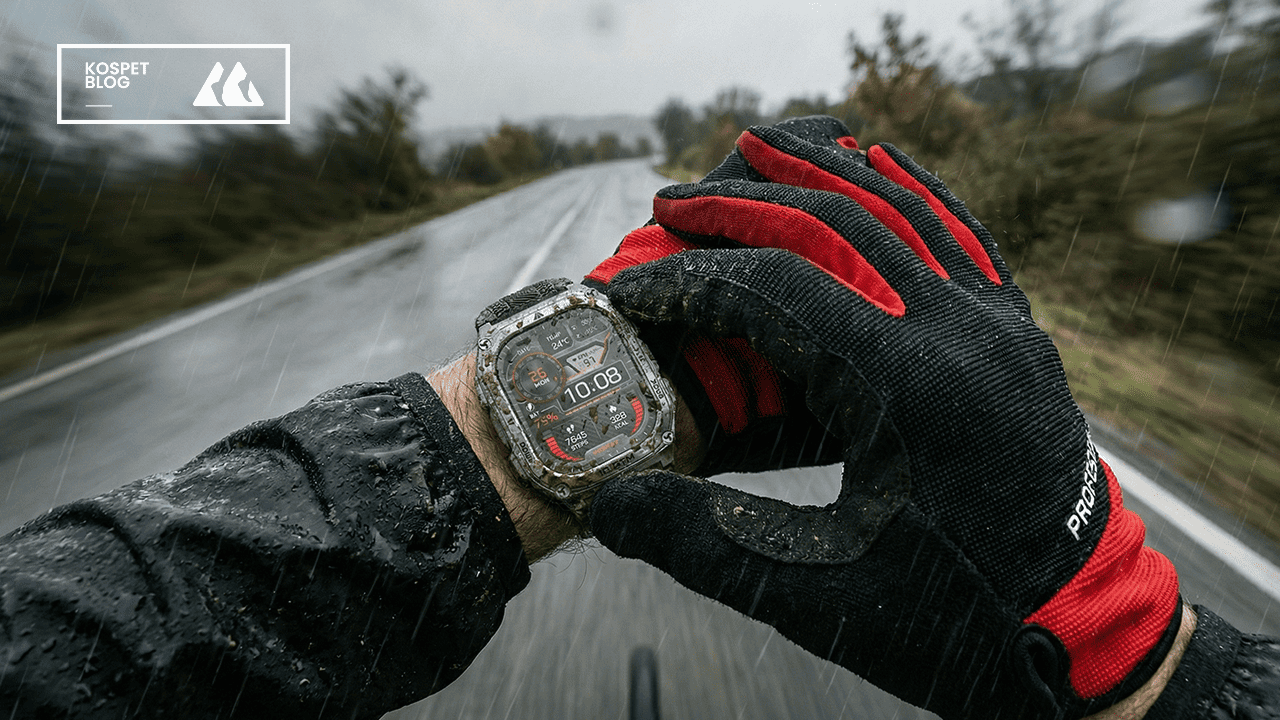
O trabalho ao ar livre raramente é limpo, seco ou previsível, por isso a proteção precisa de ser indicada de forma clara. Um smartwatch não fica pronto para o trabalho só porque parece robusto. Torna-se mais fiável quando consegue suportar exposição repetida a água, poeira, suor e sujidade sem transformar essas condições em pontos fracos.
- Suor, chuva, poeira, lama e água suja fazem parte do uso normal ao ar livre, não de acidentes raros.
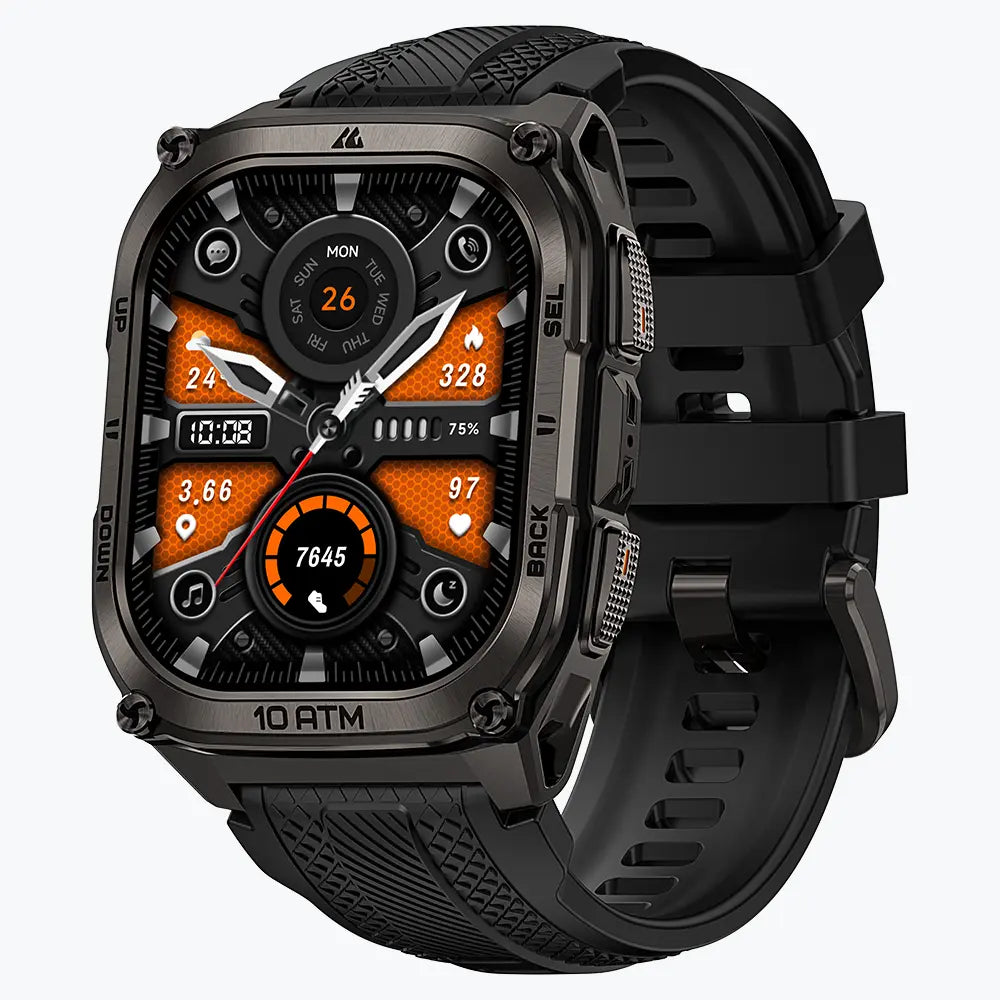
- Classificações claras como 5 ATM, 10 ATM, IP68 ou IP69K dão aos utilizadores uma forma mais útil de avaliar a proteção.
- Estas classificações ajudam a transformar afirmações abstratas de resistência em algo mais concreto e fácil de comparar.
- O resultado para o utilizador é mais confiança em condições sujas e variáveis, porque o nível de proteção é claro e não apenas implícito.
3. A Autonomia da Bateria Também Faz Parte da Resistência
Um smartwatch que fica sem carga demasiado cedo não parece resistente, mesmo quando o corpo é forte. Para trabalhadores ao ar livre, a autonomia da bateria não é apenas uma questão de conveniência. Faz parte da fiabilidade do dia a dia, especialmente quando o trabalho acontece longe de secretárias, cabos de carregamento ou rotinas fixas.
- Os turnos ao ar livre podem ser longos, móveis e difíceis de prever, o que torna uma fraca autonomia da bateria ainda mais frustrante.
- Isto torna-se mais importante quando o GPS, o brilho elevado do ecrã ou longas horas de trabalho aumentam o consumo de energia ao longo do dia.
- O resultado para o utilizador é menos interrupções para carregar e um relógio que continua a parecer fiável no fim do turno, e não apenas no início.
4. A Legibilidade no Exterior é uma Verdadeira Função de Trabalho
Um ecrã que funciona em ambientes interiores nem sempre é suficiente para trabalho ao ar livre. Luz solar direta, reflexos e tarefas em ritmo acelerado podem tornar um relógio mais difícil de usar, mesmo quando o dispositivo continua a funcionar bem. É por isso que a legibilidade do ecrã deve ser tratada como uma função de trabalho, e não como um pequeno extra.
- A luz solar direta pode tornar ecrãs fracos mais difíceis de ler exatamente no momento em que o acesso rápido é mais importante.
- Exemplos como maior brilho, contraste claro e menos reflexos ajudam a explicar o que significa, na prática, legibilidade no exterior.
- Uma boa legibilidade ajuda a verificar mais rapidamente a hora, alertas, direções e notificações sem parar o trabalho durante demasiado tempo.
- O resultado para o utilizador é menos esforço, informação mais clara e uma experiência mais fluida durante o uso ao ar livre.
5. Funções de Trabalho Úteis Valem Mais do que Longas Listas de Funcionalidades
As funções de smartwatch mais valiosas para trabalho ao ar livre são normalmente as mais simples. Um relógio robusto deve ajudar o utilizador a passar o dia de forma mais fácil, e não distraí-lo com uma longa lista de funcionalidades que parecem impressionantes, mas acrescentam pouco ao trabalho real.
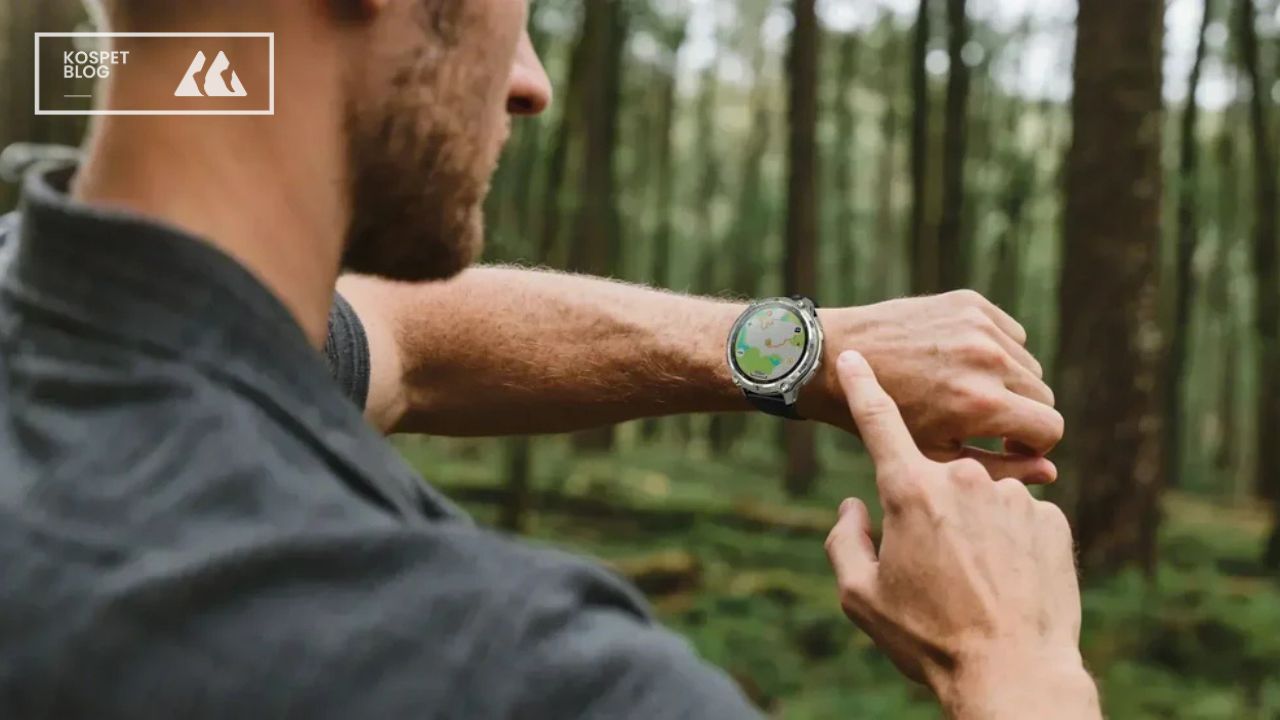
- Ferramentas práticas como GPS, lanterna, notificações claras e controlos simples apoiam melhor tarefas reais do que um excesso de funcionalidades.
- O trabalho ao ar livre envolve muitas vezes mãos sujas, movimento rápido e pouco tempo, por isso a facilidade de utilização é tão importante como a própria função.
- As melhores funções orientadas para o trabalho são as que poupam tempo, reduzem fricção ou tornam o relógio mais fiável no emprego.
- O resultado para o utilizador é um smartwatch que parece prático, útil e mais fácil de confiar durante um turno real.
Que Relógios KOSPET Servem Diferentes Necessidades de Trabalho ao Ar Livre
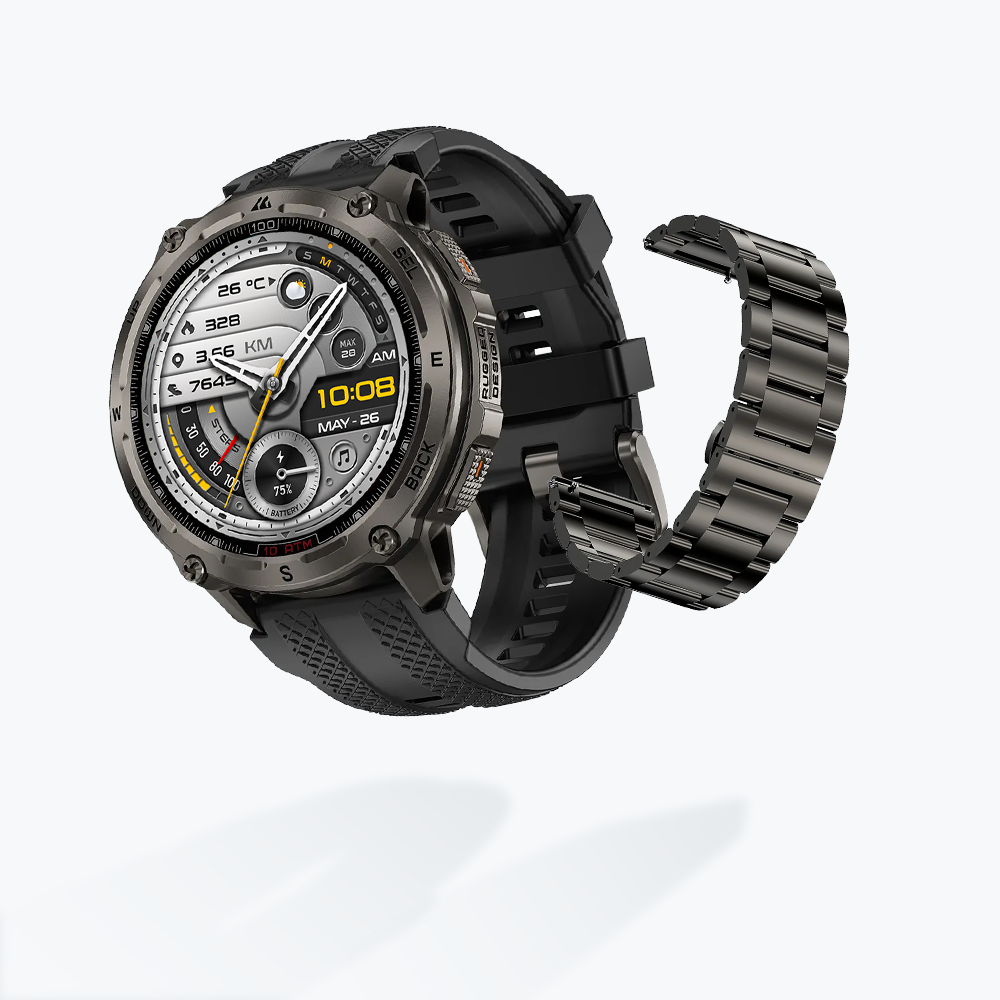
Diferentes trabalhos ao ar livre não precisam do mesmo tipo de relógio robusto. A tabela abaixo mantém a secção de produto curta e foca-se apenas no ajuste mais útil.
| Modelo | Melhor adequação | Razão principal |
|---|---|---|
| TANK T4C | Trabalho braçal e em obra | 5 ATM + IP69K, bateria de 500mAh, AMOLED brilhante, lanterna, utilidade focada no trabalho |
| TANK T3 Ultra 2 | Utilizadores em campo que precisam de maior resistência do GPS | Bateria de 470mAh, até 15 dias de utilização típica, até 30–35 horas de GPS, corpo em aço |
| TANK X2 Ultra | Utilizadores que querem uma opção robusta mais fina | 5 ATM + IP69K, construção em aço inoxidável, Gorilla Glass 3, uso diário mais leve |
| TANK T4 | Ambientes mais agressivos e uso prolongado ao ar livre | 10 ATM + IP69K, bateria de 500mAh, Gorilla Glass 3, proteção contra água mais forte |
Como Escolher o Smartwatch Resistente Certo para o Seu Ambiente de Trabalho
O melhor smartwatch resistente depende do que o seu dia de trabalho faz ao equipamento. Em vez de começar por uma lista de funcionalidades, é mais fácil começar pelo ambiente de trabalho e depois escolher o relógio de acordo com o tipo de pressão que terá de suportar.
| Ambiente de trabalho | O que mais importa | Porque é importante |
|---|---|---|
| Construção, instalação e reparação | Caixa robusta, melhor proteção do ecrã, controlos simples | Estes trabalhos criam mais contacto com ferramentas, escadas, betão e bordas metálicas, por isso a resistência ao impacto costuma vir em primeiro lugar. |
| Assistência em campo, inspeção e trabalho técnico ao ar livre | Autonomia da bateria, GPS, alertas claros, ecrã legível | Longas horas entre locais tornam a energia, a navegação rápida e a consulta fácil do ecrã mais úteis do que extras cheios de funcionalidades. |
| Agricultura, jardinagem e ambientes húmidos e sujos | Resistência à água, proteção contra poeira, fácil limpeza | O contacto repetido com suor, lama, chuva e poeira significa que a proteção contra condições sujas deve subir na lista de prioridades. |
| Entrega, logística e longos turnos em movimento | Autonomia para todo o dia, conforto, notificações rápidas | Estes trabalhos dependem mais da fiabilidade, de verificações rápidas e do conforto durante longas horas do que apenas de proteção extrema. |
A forma mais simples de escolher é identificar o principal fator que desgasta o equipamento na sua rotina diária. Alguns utilizadores precisam de maior proteção contra impactos porque o seu trabalho envolve superfícies mais duras e ferramentas.
Outros precisam de melhor proteção contra água e poeira porque o seu ambiente está constantemente húmido ou sujo. Em trabalhos mais móveis, a autonomia da bateria, o conforto e a visibilidade do ecrã podem importar ainda mais do que uma construção pesada.
Considerações Finais
Um smartwatch é suficientemente resistente para trabalho ao ar livre quando continua útil nas condições exatas que tornam os smartwatches normais frustrantes. Qualidade de construção sólida, proteção clara contra poeira e água, autonomia da bateria para turnos longos, legibilidade no exterior e funções práticas de trabalho são as características que mais importam.
Perguntas Frequentes
Preciso mesmo de um smartwatch resistente para trabalho ao ar livre?
Provavelmente sim, se o seu relógio enfrenta impactos diários, poeira, chuva ou turnos longos. Um smartwatch normal pode funcionar bem em ambientes interiores, mas o trabalho ao ar livre costuma exercer muito mais pressão sobre a resistência da construção, a autonomia da bateria e a visibilidade do ecrã.
O que importa mais primeiro: resistência à água ou ao impacto?
Depende do seu ambiente de trabalho. Construção e reparação costumam fazer da resistência ao impacto a primeira prioridade, enquanto agricultura, jardinagem e ambientes húmidos e sujos tornam a proteção contra água e poeira mais importante.
Um smartwatch robusto maior é sempre a melhor escolha?
Não. A melhor escolha é a que corresponde ao seu dia de trabalho. Maior nem sempre significa mais resistente, e o melhor smartwatch de trabalho é aquele que resolve o problema certo sem se tornar pesado ou incómodo de usar.






Deixe um comentário
Este site está protegido pela Política de privacidade da hCaptcha e da hCaptcha e aplicam-se os Termos de serviço das mesmas.