

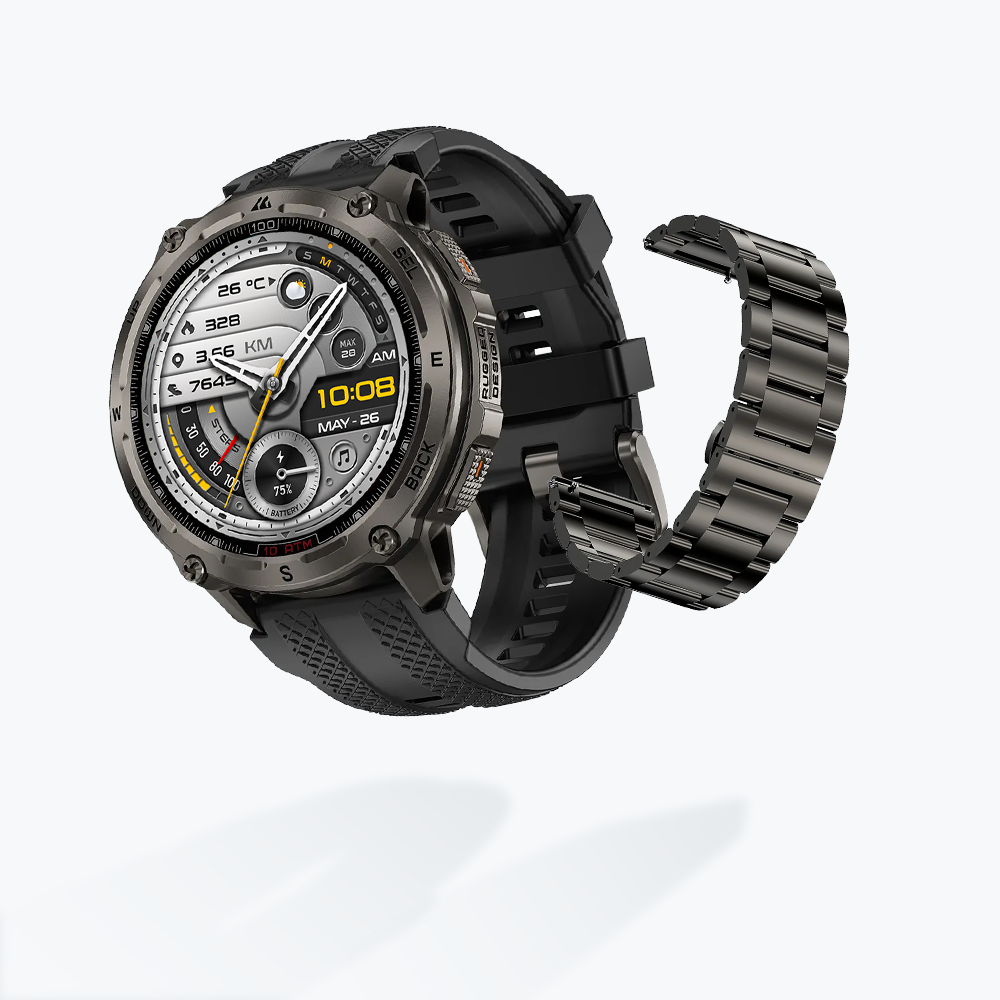
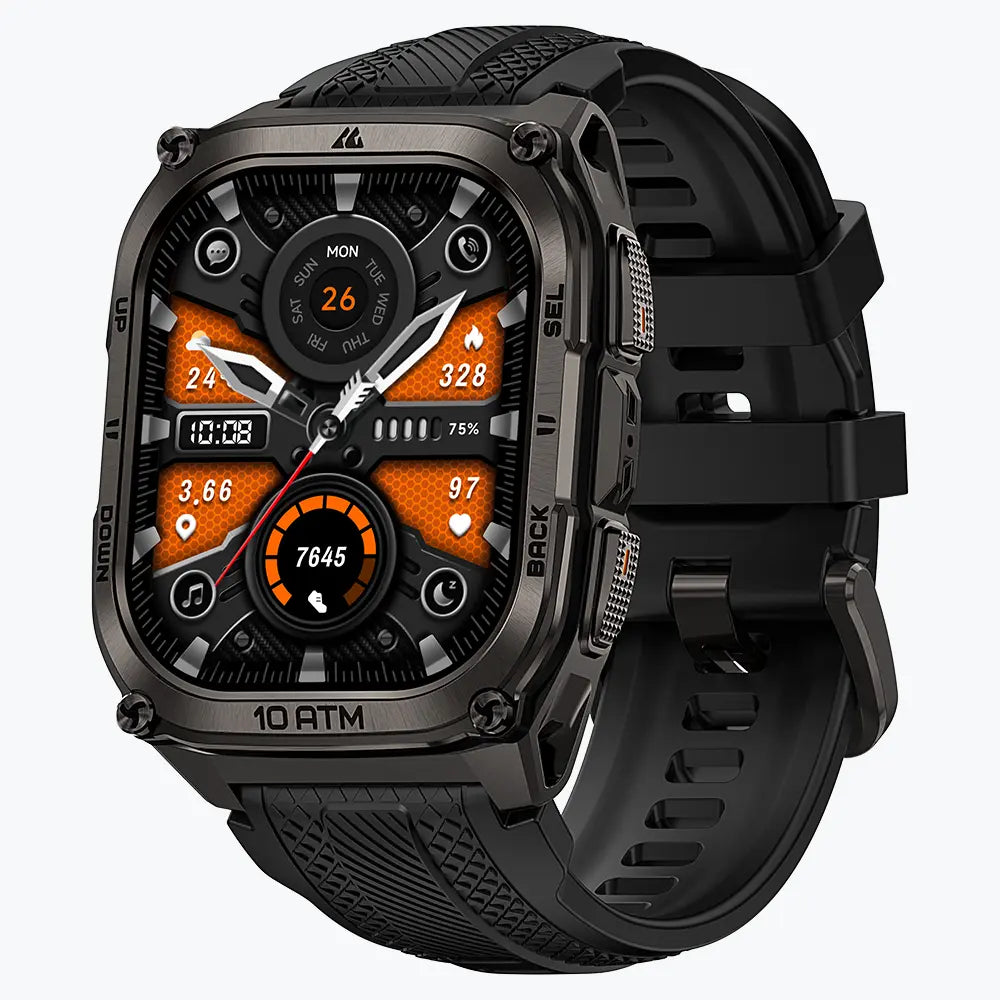
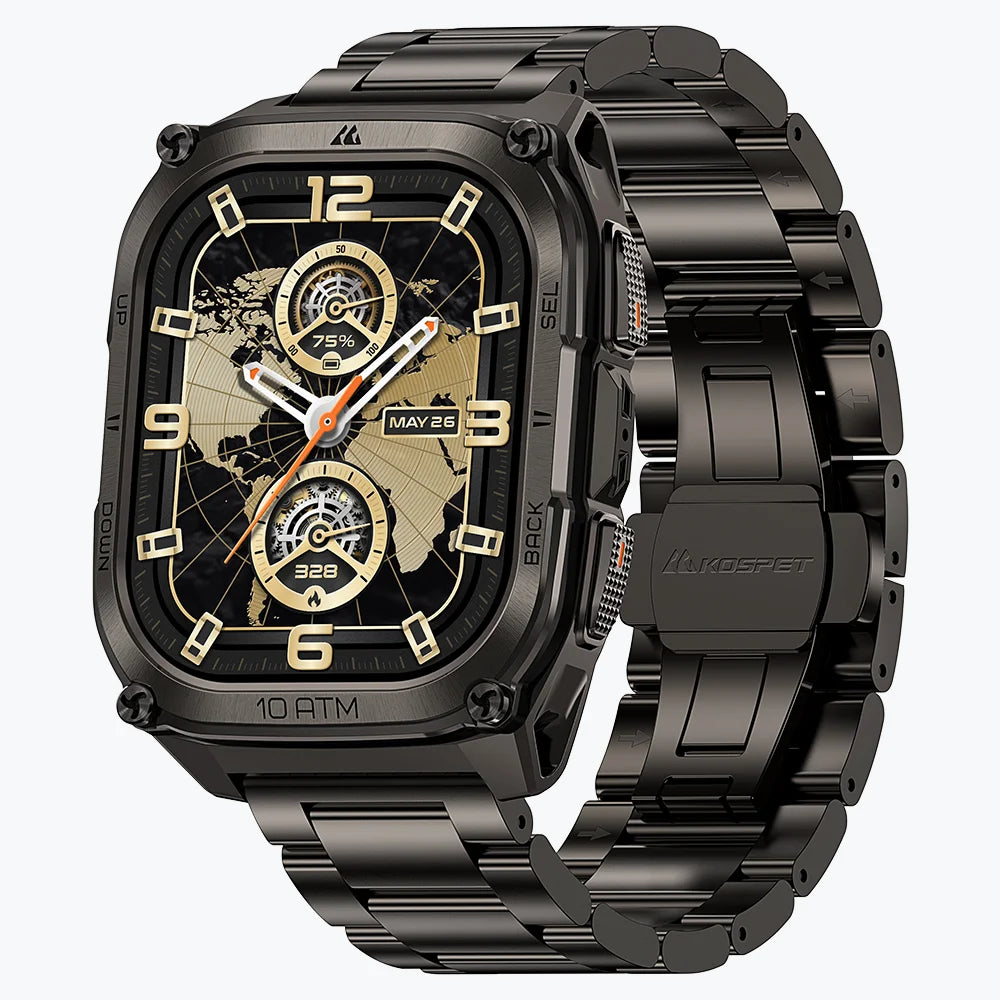
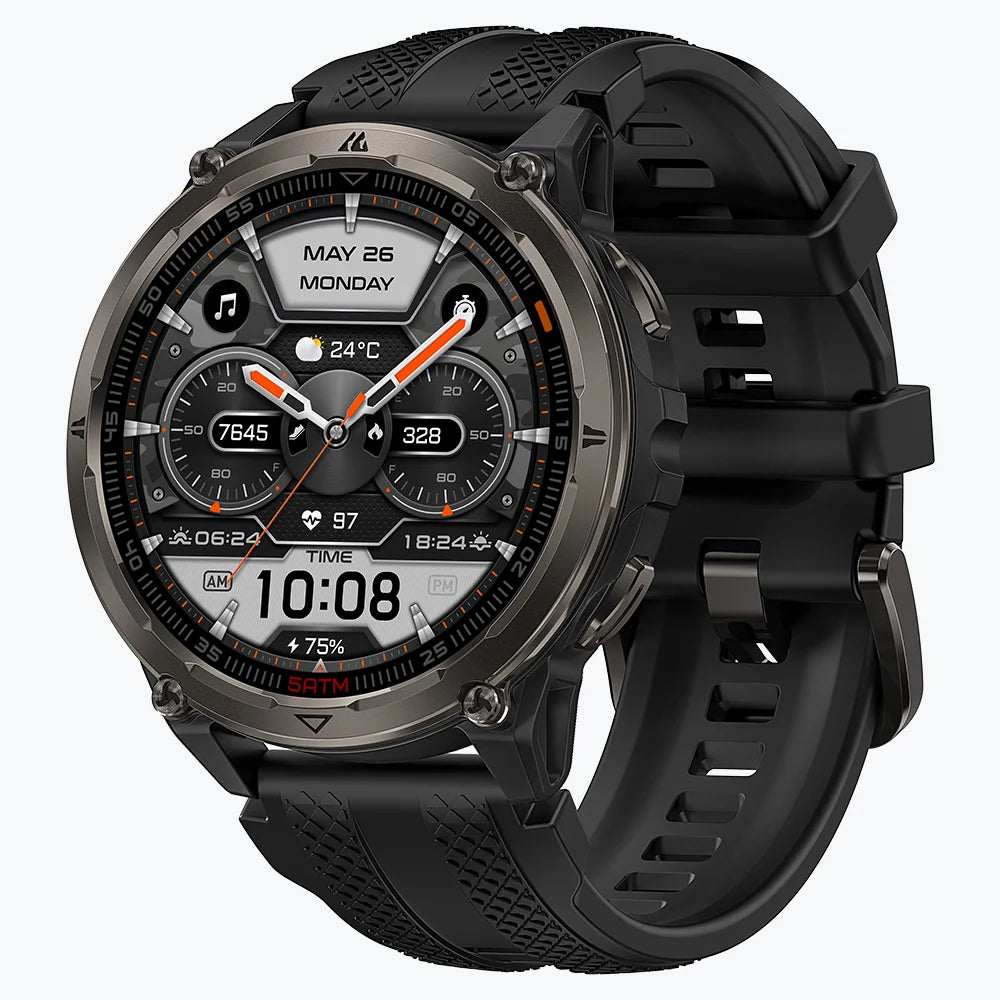
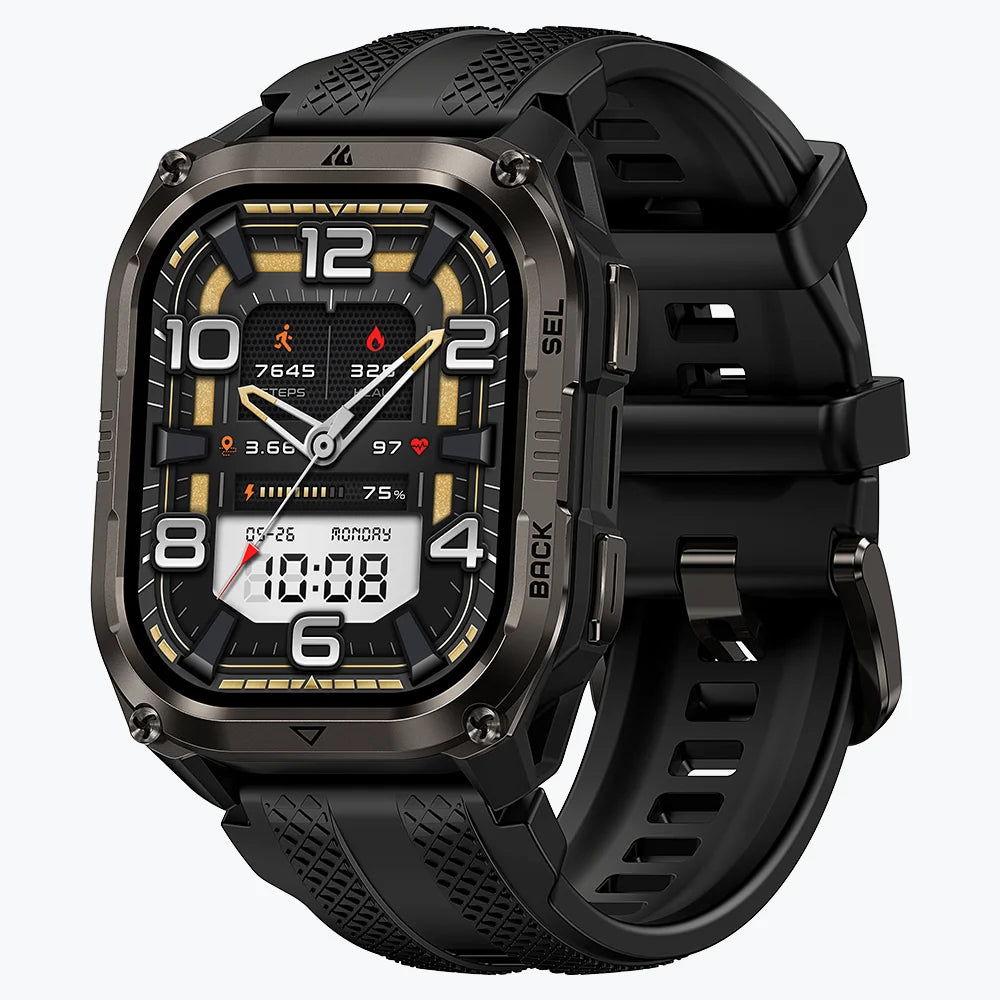
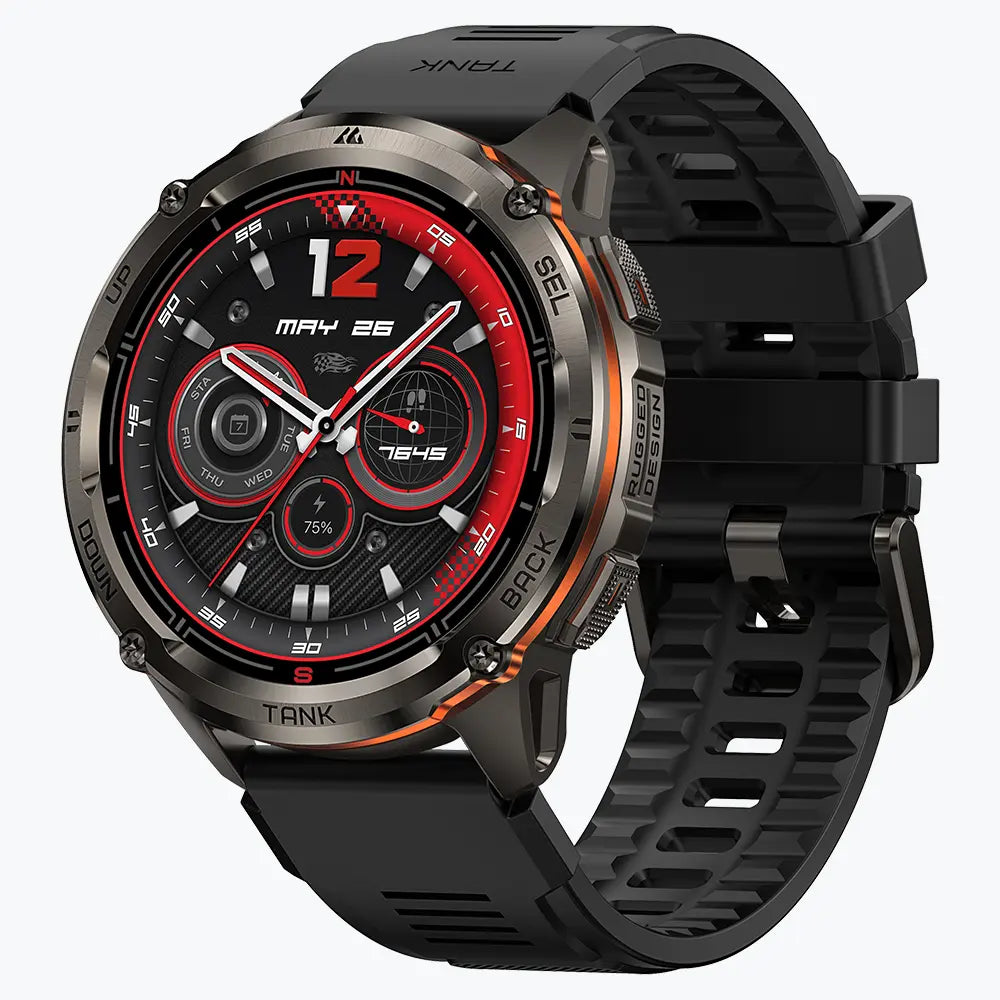
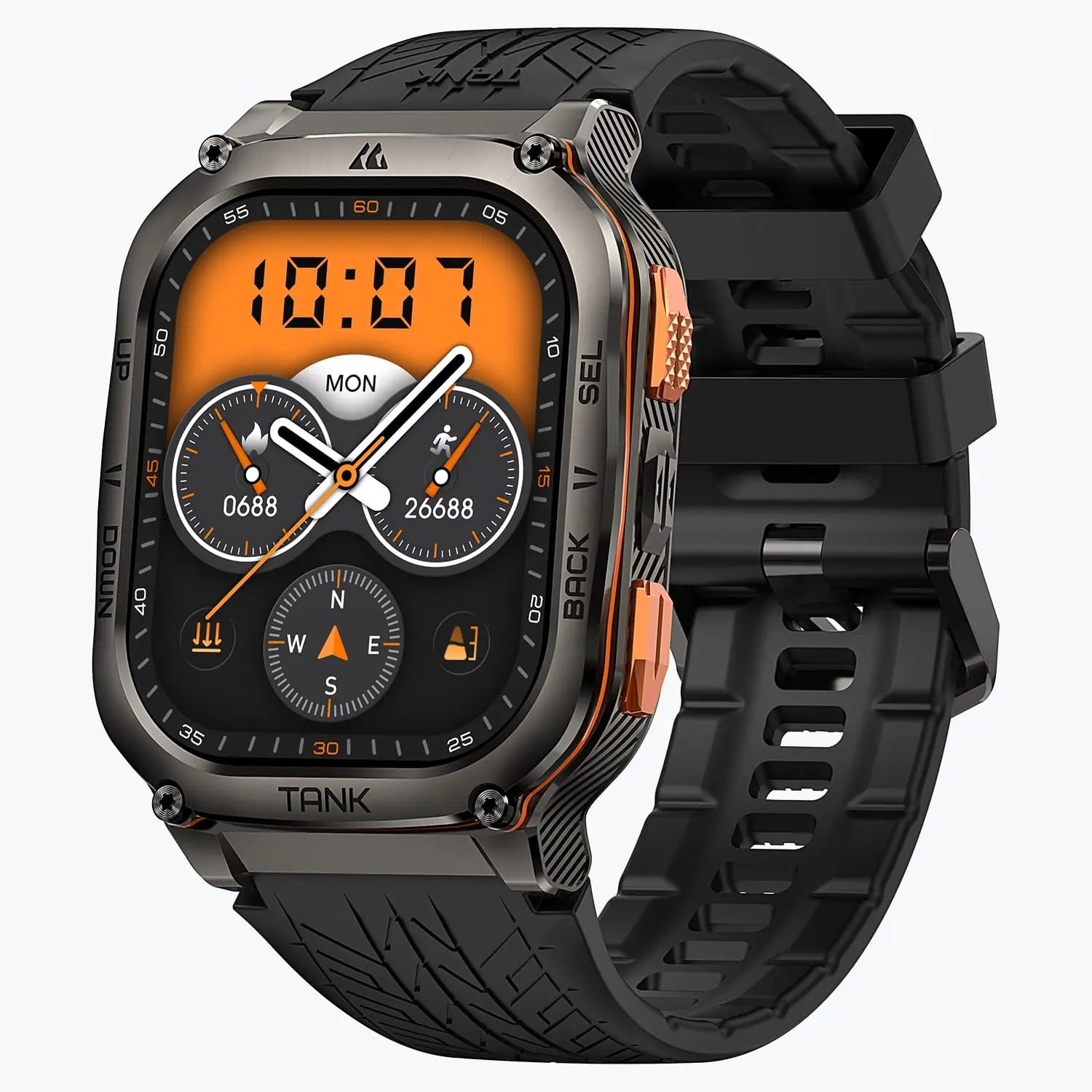
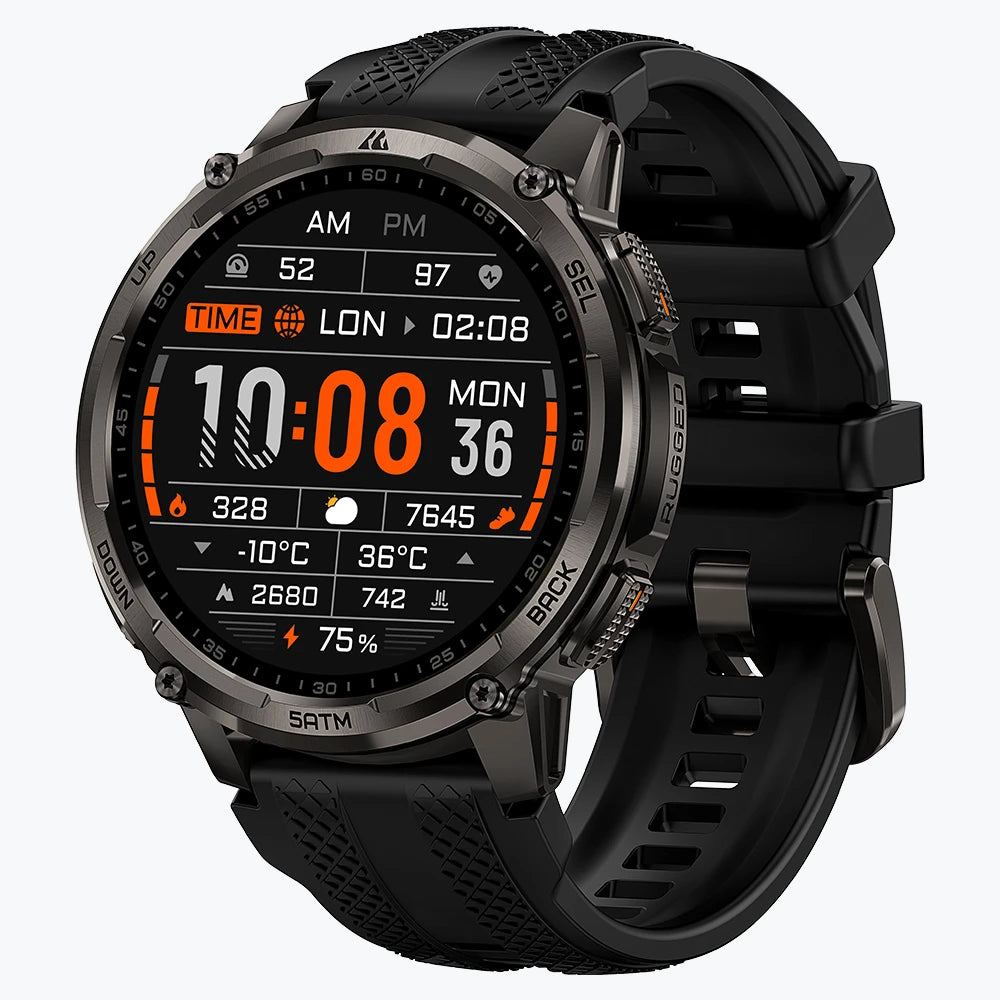
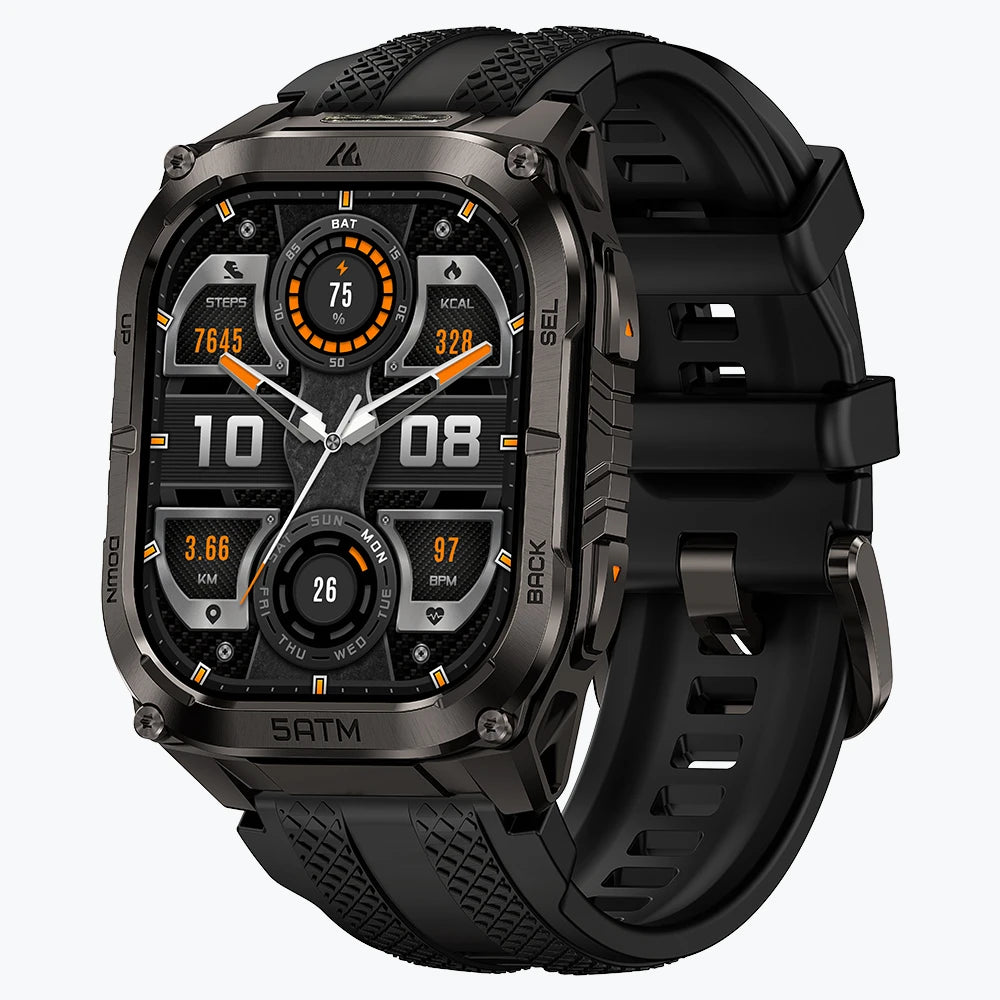
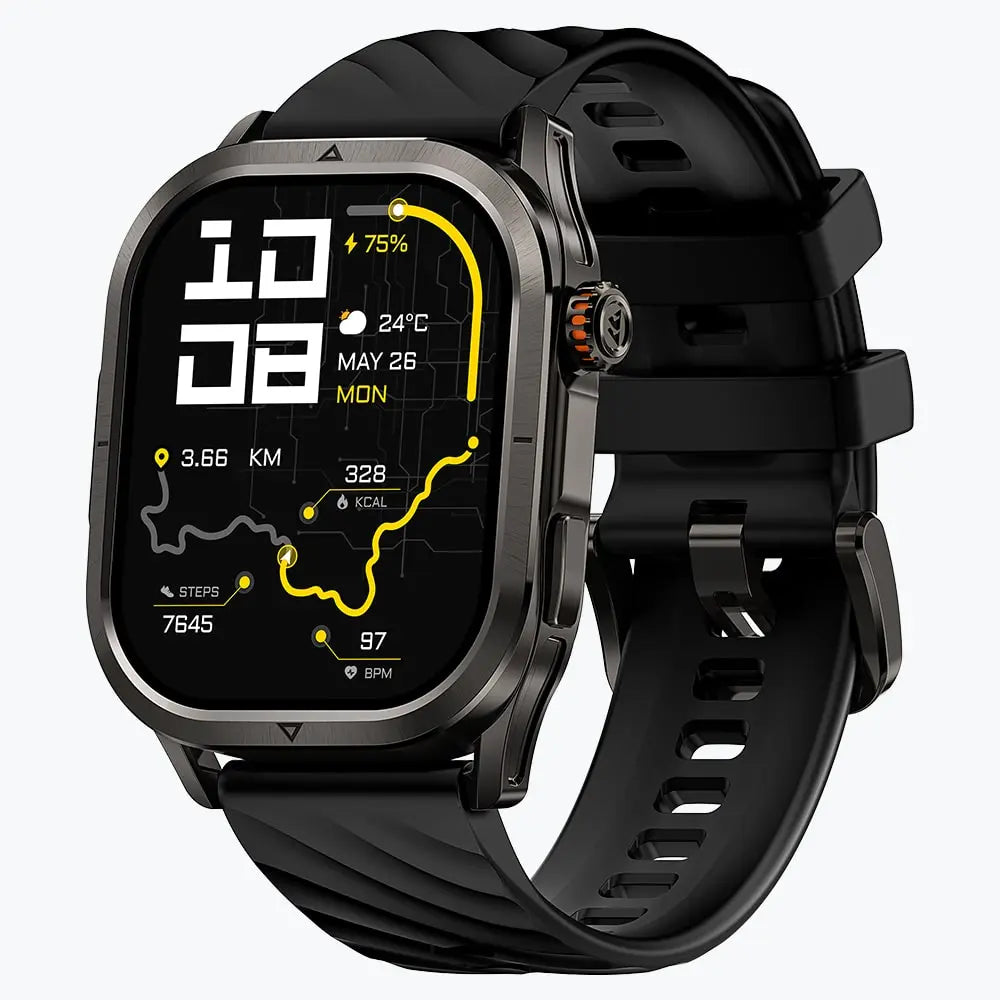


A durable watch is not durable because of one material alone. Titanium and stainless steel are both strong materials, but they solve different problems on the wrist.
Stainless steel usually feels heavier, more solid, and more traditional. It is often the practical choice for daily durable watches because it balances strength, appearance, and value. Titanium is lighter and more corrosion-resistant, especially in sweat, saltwater, and marine environments, but it usually comes with a higher price and a different surface feel.
The real question is not simply “Is titanium better than stainless steel?” A better question is: which material fits the way the watch will be worn, scratched, exposed to water, maintained, and used over time?
Quick Answer: Titanium or Stainless Steel?
| Question | Better Choice | Why |
|---|---|---|
| Which feels lighter on the wrist? | Titanium | Lower density makes it easier to wear for long hours. |
| Which feels more solid? | Stainless steel | The extra weight gives the watch a stronger, more traditional feel. |
| Which is better for saltwater or marine use? | Titanium | It has stronger resistance in corrosion-heavy environments. |
| Which is better value for daily durability? | Stainless steel | It offers strong durability without premium material pricing. |
| Which is more scratch-proof? | Neither | Both can scratch; surface finish decides how marks appear. |
| Which is better for most daily durable watches? | Stainless steel | It gives the best balance of strength, style, value, and everyday wearability. |

How Titanium and Stainless Steel Affect Watch Durability
Titanium and stainless steel are both durable watch materials, but they create different wearing experiences. The difference is not only technical. You feel it in weight, surface aging, comfort, and long-term value.
Weight Changes How the Watch Feels All Day
The easiest difference to feel is weight.
316L stainless steel is commonly listed at around 7.9 g/cm³, while Grade 5 titanium is around 4.4 g/cm³. That difference explains why two watches with similar case sizes can feel very different on the wrist.
| Material | Approx. Density | Wrist Feel |
|---|---|---|
| 316L Stainless Steel | 7.9 g/cm³ | Heavier, more solid, more traditional |
| Grade 5 Titanium | 4.4 g/cm³ | Lighter, easier for long wear, more technical |
Density Comparison
316L Stainless Steel  ████████████████  7.9 g/cm³
Grade 5 Titanium      █████████         4.4 g/cm³
For a durable watch, weight is not just a comfort detail. It affects whether the watch stays on your wrist through work, training, travel, and sleep tracking.
Titanium feels easier during long wear. It suits users who dislike heavy watches, wear large cases, or keep the watch on for most of the day.
Stainless steel has a different appeal. The weight gives the watch presence. It can make the watch feel more substantial, more classic, and more like a traditional tool watch. For many users, that solid feeling is part of the reason they choose stainless steel.
Takeaway: Titanium is better for lightness. Stainless steel is better for a solid, grounded watch feel.
Strength and Scratch Resistance Are Different Things
A durable watch is not the same as a scratch-free watch.
Strength is about how well the case handles force, pressure, and structure. Scratch resistance is about how the surface reacts to rubbing, impact, tools, desks, rocks, keys, or gym equipment.
That difference matters because many users treat “strong” and “scratch-proof” as the same idea. They are not.
| Concept | What It Means | Why It Matters |
|---|---|---|
| Strength | How the case handles force and impact | Helps protect the structure of the watch |
| Hardness | How the surface resists marks | Affects scratch behavior |
| Surface finish | Brushed, polished, matte, blasted, or coated texture | Changes how scratches appear |
| Coating | Extra surface layer over the base metal | Can improve appearance but may wear differently |
| Aging | How the watch looks after months or years | Decides whether marks feel acceptable or ugly |
Stainless steel can show fine scratches, especially on polished surfaces. Brushed stainless steel often hides daily marks better because the texture already has direction.
Titanium can also scratch. On some titanium finishes, scratches may appear more visible because the mark contrasts with the surrounding surface. Matte titanium can develop a tool-like worn look, but that does not mean it stays untouched.
So the better question is not:
Which material never scratches?
The better question is:
Which material will age in a way I can accept?
For daily watches, this matters more than many buyers expect. A watch that still looks good after normal marks will feel durable longer than a watch that looks damaged after the first few scratches.
Takeaway: No watch metal is truly scratch-proof. Surface finish decides how visible wear becomes.
Corrosion Resistance Depends on the Environment
Corrosion resistance becomes important when a watch meets sweat, rain, humidity, saltwater, or chemicals.
Titanium has a stronger advantage in harsh corrosion environments. It forms a stable protective oxide layer, which helps it resist saltwater and chloride-rich conditions better than many steels. That makes titanium more attractive for marine use, fishing, humid climates, and frequent saltwater exposure.
Stainless steel is still strong enough for normal daily use. A stainless steel watch can handle sweat, rain, hand washing, outdoor workouts, and ordinary water exposure when the watch is properly designed and maintained.
The difference becomes clearer in harsher conditions. Around saltwater, stainless steel needs more care. Rinsing, drying, and avoiding trapped salt around seams or buttons become more important.
There is also a common misunderstanding here: corrosion resistance is not the same as water resistance.
A titanium case may resist corrosion well, but the whole watch still needs proper seals, buttons, glass bonding, and water-rating tests. A stainless steel watch can also be water-resistant when the construction supports it.
Takeaway: Titanium is better for saltwater and corrosion-heavy use. Stainless steel is usually enough for sweat, rain, fitness, and daily outdoor wear.
Material Value Is Part of the Decision
Titanium often feels more premium because it is light, technical, and strongly associated with high-end outdoor watches. For users who care about lightweight comfort or saltwater resistance, paying more for titanium can make sense.
Stainless steel usually offers better practical value. It gives the watch a solid structure, mature appearance, and durable feel without pushing the price as high as many titanium models.
This matters because a durable watch is often used across many parts of life. It may be worn at work, during workouts, on weekends, while traveling, and in casual settings. Stainless steel fits that mixed-use role well because it feels durable without looking too specialized.
Titanium is the material you choose when lightness and corrosion resistance are worth paying for. Stainless steel is the material you choose when durability, style, and value need to work together.
Takeaway: Titanium feels more premium and technical. Stainless steel is often the more practical everyday material.
Why Case Material Is Only One Part of a Durable Watch
A watch does not become durable just because the case uses a strong metal. Real durability comes from how the case, glass, bezel, seals, buttons, finish, strap, and comfort work together.
The Case Is the Frame, Not the Whole System
The case is important because it protects the internal parts and gives the watch its structure. But it is only the frame.
A durable watch also needs a glass surface that can handle contact, a bezel that protects exposed edges, reliable sealing, stable buttons, a strap that does not fail early, and a shape that remains comfortable during long wear.
Durable Watch System
                  Durable Watch
                       │
 ┌───────────────┬──────┼──────┬───────────────┐
 │               │      │      │               │
Case Material   Glass  Bezel  Water Rating   Buttons & Seals
 │               │      │      │               │
Finish / Coating Strap  Weight Comfort        Long-Term Use
| Durability Layer | What It Controls |
|---|---|
| Case material | Structural strength and body protection |
| Glass | Scratch exposure and direct impact area |
| Bezel | Protection around the screen edge |
| Finish / coating | How visible scratches become |
| Water rating | How the whole watch handles water exposure |
| Buttons and seals | Protection around openings |
| Strap | Comfort, security, and long-term wear |
| Weight | All-day comfort |
| Case shape | How easily the watch catches bumps |
A stainless steel watch with strong glass and good sealing can be more reliable in daily use than a titanium watch with poor glass protection. The material matters, but the design decides how that material performs.
Takeaway: Case material gives the watch strength. Watch design turns that strength into real durability.
The Glass and Bezel Usually Show Wear First
In daily use, the first visible damage often appears on the glass, bezel, or raised edges.
This is why a durable watch should not be judged by case metal alone. The watch face is the area most likely to hit doors, desks, gym equipment, tools, rocks, or walls. A strong case cannot fully protect a poorly protected screen.
A raised bezel can help shield the glass from direct impact. A flat exposed screen may look cleaner, but it can take more contact. A thick bezel may look more rugged, while a slimmer bezel may feel more refined but less protective.
Surface layout also changes how the watch ages. Polished surfaces show fine scratches faster. Brushed surfaces hide them better. Dark coatings can look tough at first but may show worn edges more clearly.
| Surface Area | What Usually Happens |
|---|---|
| Glass | Takes direct contact and visible scratches |
| Bezel edge | Often hits surfaces before the case body |
| Polished metal | Shows fine marks more easily |
| Brushed metal | Hides small scratches better |
| Dark coating | Chips or worn edges may stand out |
| Raised bezel | Helps protect the screen |
A watch can be made of an excellent material and still age poorly if the exposed surfaces are not well designed.
Takeaway: The parts that touch the world first often decide how durable the watch looks over time.
Water Resistance Is an Engineering Detail
Water resistance is not created by titanium or stainless steel alone.
It comes from the way the watch is built. The case back, glass, side buttons, crown, speaker holes, microphone openings, sensors, and charging contacts all create possible weak points. The more openings a watch has, the more important the sealing design becomes.
This is especially important for smartwatches. A traditional watch may have fewer openings. A smartwatch often needs sensors, buttons, speakers, microphones, vibration parts, and charging systems. That makes water resistance a full engineering problem.
Material still matters. Titanium can resist corrosion better in salt-heavy environments. Stainless steel can handle normal water exposure well when maintained. But neither material can replace proper sealing and testing.
So when judging a durable watch, the better questions are:
- What is the water rating?
- Are the buttons sealed?
- How is the case back built?
- Is the glass properly protected?
- Are there speaker or microphone openings?
- Is the watch designed for swimming, rain, or only daily splash resistance?
Takeaway: Corrosion resistance is about the metal. Water resistance is about the whole watch structure.
Finish Decides How the Watch Ages Visually
Two watches made from the same metal can age very differently.
A polished stainless steel watch may look elegant when new, but fine marks can become visible quickly. A brushed stainless steel case can hide daily wear better. A matte titanium case can look technical and lightweight, but scratches may create contrast against the surface.
This is why finish matters as much as the material name on the spec sheet.
| Finish | First Impression | Long-Term Look |
|---|---|---|
| Polished stainless steel | Shiny, refined, more formal | Fine scratches can show quickly |
| Brushed stainless steel | Practical, tool-like, mature | Small marks blend into the texture |
| Matte titanium | Light, technical, outdoor-focused | Scratches may create visible contrast |
| Dark coating | Modern, tough-looking | Edge wear may become obvious |
| Mixed finish | More premium appearance | Different areas age differently |
Durability is partly physical and partly visual. A watch may still function perfectly, but if it looks heavily worn too quickly, users may feel it is less durable.
That is why many durable watches use brushed, matte, or textured finishes. They do not stop wear completely, but they make normal wear easier to live with.
Takeaway: The finish controls how gracefully the watch wears, even when the base material is strong.
Comfort Decides Whether Durability Matters
A watch only proves its durability when it stays on the wrist.
A heavy, thick, or uncomfortable watch may be strong, but it will not become a daily watch if the user keeps taking it off. This is where comfort becomes part of durability.
Titanium helps because it reduces weight. That is useful for large watches, long hikes, travel, sleep tracking, and all-day wear.
Stainless steel can still work well, but the full design matters more. Case thickness, strap softness, wrist curve, lug shape, and weight distribution all affect comfort.
A durable watch should survive rough use, but it should also be wearable enough to face that rough use in the first place.
Takeaway: Long-term durability also means long-term wearability.
Which Material Makes More Sense for Your Durable Watch?
The right material depends on what kind of durability you need. Some users need lightness. Some need saltwater resistance. Others need a solid daily watch that feels reliable at work, in the gym, and on weekends.
Choose Stainless Steel for Everyday Durability
Stainless steel is often the better choice for a daily durable watch.
It suits people who want one watch for work, commuting, workouts, outdoor weekends, and casual wear. It feels solid without looking too technical. It has enough durability for normal use and usually comes at a more practical price than titanium.
This is why stainless steel remains common in durable watches. It gives a watch physical presence, mature styling, and strong everyday value.
Stainless steel makes sense when the watch needs to feel reliable in many situations rather than specialized for one extreme environment.
Choose stainless steel for:
- daily wear
- work and commuting
- fitness and weekend use
- solid wrist feel
- mature styling
- better value
- general durable-watch use
Best for: users who want a durable watch that feels strong, versatile, and easy to justify.
Choose Titanium for Lightweight and Corrosion Resistance
Titanium is the better match when comfort and corrosion resistance matter most.
It is useful for people who wear large watches, dislike weight, travel often, hike for long hours, or spend time in humid and salt-heavy environments. The lighter feel can make a real difference during extended wear.
Titanium also has a stronger premium outdoor identity. It feels more technical than stainless steel and is often used when brands want to reduce weight without making the watch feel weak.
Choose titanium for:
- long outdoor wear
- large case sizes
- wrist fatigue concerns
- saltwater or marine use
- humid climates
- premium outdoor watches
- technical material appeal
Titanium is not magic. It can still scratch, and the watch still needs strong glass, proper sealing, and good design. Its value is clearest when weight or corrosion resistance is a real problem for the user.
Best for: users who are willing to pay more for lightness, comfort, and stronger corrosion resistance.
Match the Material to the Wearing Scenario
A durable watch should be chosen around the way it will actually be worn.
| Wearing Scenario | Better Material | Why It Fits |
|---|---|---|
| Daily wear | Stainless steel | Solid feel, mature look, and better practical value. |
| Work and hands-on use | Stainless steel | Durable feel and easier price-to-performance balance. |
| Long outdoor wear | Titanium | Lighter weight can reduce wrist fatigue over time. |
| Saltwater or marine use | Titanium | Better corrosion resistance in harsh environments. |
| Budget-conscious durability | Stainless steel | Strong durability without premium material pricing. |
| Premium outdoor watch | Titanium | Lightweight, technical, and more premium-positioned. |
| Mixed work, fitness, and weekend use | Stainless steel | Better balance between durability, style, and value. |
| Long hikes or travel with all-day wear | Titanium | More comfortable when weight becomes noticeable. |
This table shows the basic pattern.
Stainless steel is usually the everyday durable material. Titanium is usually the lightweight premium material.
Final Rule for Choosing a Durable Watch Material
Choose stainless steel when daily durability, solid feel, and value matter most.
Choose titanium when lightweight comfort, corrosion resistance, and premium use matter most.
A durable watch should not be judged by material alone. Look at the full system:
- case material
- glass
- bezel design
- surface finish
- water rating
- seals and buttons
- strap comfort
- case weight
- long-term wearability
The simplest rule is this:
Stainless steel is often the better all-around choice for everyday durable watches. Titanium is the better choice when weight and corrosion resistance are worth paying more for.
A durable watch is not just the metal on the spec sheet. It is how the material, structure, finish, and comfort work together in real use.
FAQ
Is titanium always better than stainless steel for a durable watch?
No. Titanium is better when lightweight comfort and corrosion resistance matter most, especially in saltwater or humid environments. Stainless steel is often the more practical choice for daily durable watches because it offers a solid feel, strong durability, and better value.
Does titanium scratch less than stainless steel?
Not necessarily. Titanium and stainless steel can both scratch, but the scratches may look different depending on the finish. Brushed stainless steel can hide small marks well, while some titanium finishes may show scratches more visibly because of surface contrast.
Is stainless steel too heavy for everyday wear?
Stainless steel is heavier than titanium, but that is not always a problem. Many users like the solid, traditional feel of stainless steel on the wrist. The real question is whether the full watch design, case size, strap, and weight distribution still feel comfortable for long wear.
Which material is better for saltwater use?
Titanium is usually the better material for saltwater or marine environments because it has stronger corrosion resistance. However, saltwater use still depends on the whole watch design, including seals, buttons, glass, case back, and water rating. A titanium case alone does not make a watch suitable for swimming or diving.
Does case material decide whether a watch is waterproof?
No. Water resistance is an engineering issue, not just a material issue. A durable watch needs proper sealing around the glass, buttons, case back, sensors, speaker holes, and other openings. Always check the water rating instead of judging by stainless steel or titanium alone.
Does a lighter watch mean a more durable watch?
No. A lighter watch may be more comfortable, but lightness does not automatically mean better durability. Titanium helps reduce wrist fatigue, but a durable watch still needs strong glass, good sealing, protective case design, reliable buttons, and a comfortable strap.







Leave a comment
This site is protected by hCaptcha and the hCaptcha Privacy Policy and Terms of Service apply.