



Le luci stradali sono accese, il marciapiede è visibile e il percorso è familiare. Eppure diversi punti appaiono ancora meno chiari: un cordolo nascosto dietro un’auto parcheggiata, l’ingresso più buio di un parco o una chiazza bagnata che riflette le luci vicine.
Indossare una lampada frontale per quei brevi momenti può sembrare eccessivo. Un orologio da corsa con LED fisico offre una soluzione più pratica.
Sì. La torcia di un orologio può sostituire una lampada frontale nelle corse notturne in città con poca luce.
Il significato di “sostituire” richiede una distinzione importante:
La torcia di un orologio non raggiunge le prestazioni del fascio di una lampada frontale. Elimina la necessità di portarne una sui percorsi in cui l’illuminazione stradale fornisce già la luce principale.
L’ambiente circostante mostra la strada da seguire. La luce dell’orologio copre i dettagli vicini ogni volta che la luce ambientale diventa temporaneamente più debole.
Torcia dell’orologio vs lampada frontale per la corsa notturna con poca luce
La scelta dovrebbe partire dal percorso, non dalla massima luminosità stampata sulla pagina di un prodotto.
| Confronto | Torcia dell’orologio | Lampada frontale da corsa | Migliore per corse urbane con poca luce |
|---|---|---|---|
| Scopo principale | Aggiunge luce a un percorso già visibile | Rivela un percorso nascosto dall’oscurità | Torcia dell’orologio |
| Uso tipico | Controlli brevi a distanza ravvicinata | Illuminazione continua in avanti | Torcia dell’orologio |
| Posizione del fascio | Si muove con il polso | Segue lo sguardo del runner | Lampada frontale per terreno buio |
| Comfort | Nessuna attrezzatura extra oltre all’orologio | Aggiunge una fascia e una luce alla testa | Torcia dell’orologio |
| Accesso | Già disponibile al polso | Va portata e ricaricata separatamente | Torcia dell’orologio |
| Batteria | Condivisa con il GPS e le funzioni dell’orologio | Usa una batteria indipendente | Lampada frontale per uso continuativo |
| Ambiente migliore | Strade residenziali, parchi illuminati e strade cittadine | Strade senza illuminazione, sentieri e terreno tecnico | Torcia dell’orologio |
Tre fattori rendono la torcia dell’orologio più pratica su un percorso urbano con poca luce:
- La luce ambientale sta già facendo gran parte del lavoro. I lampioni, gli edifici e il traffico rivelano la direzione di marcia.
- Il bisogno di luce dura solo pochi secondi. Il runner vuole controllare un cordolo, un gradino o una chiazza di marciapiede piuttosto che illuminare l’intera strada.
- La luce è sempre al polso. Non c’è una lampada extra da mettere in valigia, indossare o ricordare di caricare.
La lampada frontale resta lo strumento di illuminazione più potente. Questa forza diventa utile nel buio, ma aggiunge poco a una strada che è già facile da seguire.
Una corsa notturna con poca luce: dove funziona la torcia dell’orologio
Immagina un percorso serale di cinque chilometri che inizia vicino a un quartiere direzionale e termina accanto a un parco lungo il fiume.
Le indicazioni di REI per correre di notte raccomandano di portare una luce orientata per i pericoli del terreno e osservano che l’illuminazione stradale può diventare scarsa o mancare in alcune parti di un percorso. L’esempio seguente applica questo principio a un itinerario che rimane generalmente visibile ma presenta diversi brevi vuoti di illuminazione.
L’inizio luminoso
Vetrine, ingressi di edifici e lampioni coprono il primo chilometro. Il LED dell’orologio resta spento perché il runner vede già chiaramente il marciapiede.
Questa parte della corsa dimostra un punto importante: possedere una torcia non significa tenerla accesa durante ogni sessione. La luce resta pronta per le parti del percorso in cui l’illuminazione stradale diventa meno affidabile.
L’isolato residenziale
Il percorso svolta in una strada più tranquilla. Alberi e auto parcheggiate interrompono l’illuminazione, anche se il marciapiede resta visibile.
Un furgone blocca il lampione più vicino e nasconde il bordo del cordolo. Il runner attiva la luce dell’orologio, controlla i passi successivi e la spegne dopo aver superato il veicolo.
Questo è il momento ideale della torcia dello smartwatch:
- Il percorso resta evidente.
- Il problema di visibilità è vicino.
- La luce extra serve solo per poco tempo.
Il LED al polso funziona come luce supplementare direzionata, non come fonte principale di illuminazione del percorso. Questa distinzione mantiene la raccomandazione in linea con i consigli di REI di portare una luce dove l’illuminazione stradale può lasciare vuoti.
L’ingresso del parco
Una fila di lampioni continua attraverso il parco, ma l’ingresso presenta un gradino basso e una chiazza di terreno bagnato.
Il passaggio da una strada luminosa a un ingresso in ombra può rendere temporaneamente più difficile riconoscere i dettagli. La panoramica dell’NIH sull’adattamento alla luce e al buio spiega che l’occhio ha bisogno di tempo per recuperare sensibilità quando passa da una luce più intensa a condizioni più scure.
Una breve luce a livello del polso aiuta durante quella transizione:
- Punta il fascio verso l’ingresso.
- Individua il gradino e la superficie bagnata.
- Torna all’illuminazione ambientale sotto il primo lampione del parco.
Un’impostazione più alta della luce dell’orologio può supportare questo breve cambio di luminosità. Non viene usata come illuminazione continua del percorso.
Il tratto lungo il fiume
La parte finale del percorso lascia il sentiero illuminato e prosegue accanto a una riva non illuminata. La direzione diventa meno evidente e la superficie del terreno non è più sempre visibile.
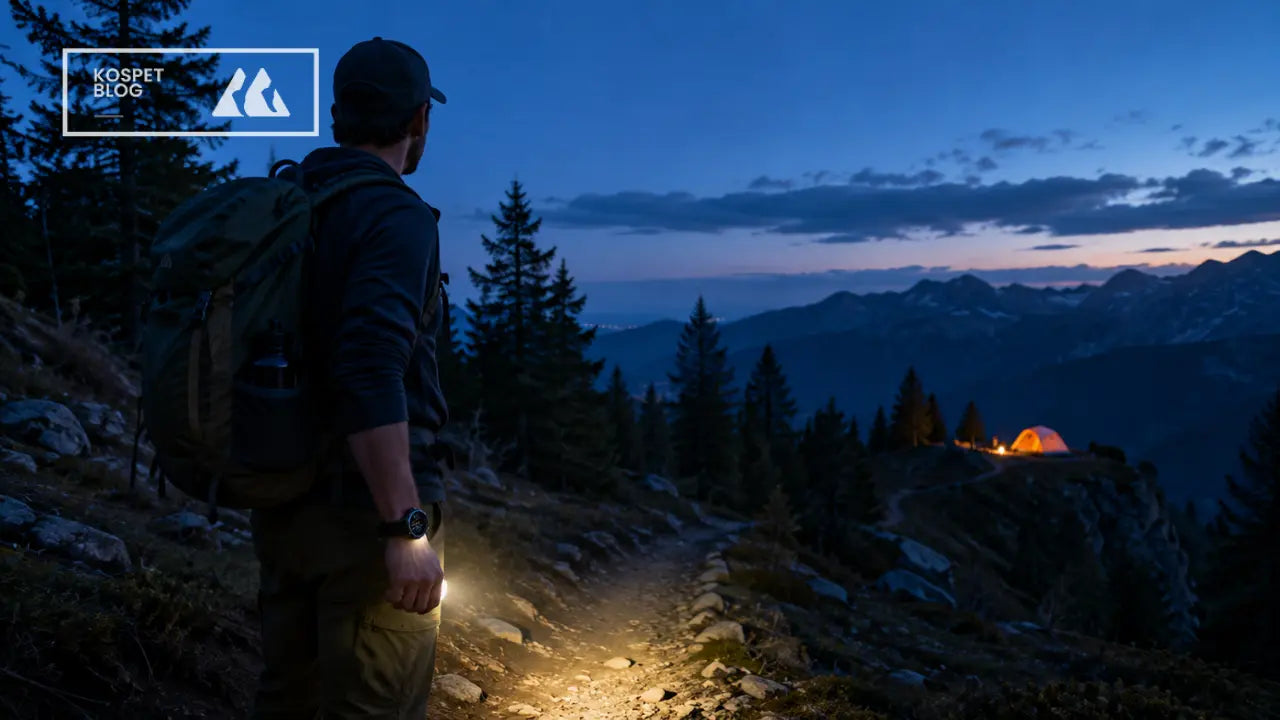
Questo tratto attraversa il confine tra poca luce e buio. Una lampada frontale diventa l’attrezzatura giusta perché il runner ora ha bisogno di un fascio stabile per ogni passo.
La guida di REI alla scelta di una lampada frontale spiega che un fascio focalizzato è in genere migliore per orientarsi su un sentiero al buio. I suoi consigli per la corsa notturna su sentiero raccomandano anche di portare una lampada frontale o una torcia nella maggior parte delle condizioni notturne sui sentieri.
L’intero percorso crea una regola decisionale pratica:
| Territorio della torcia dell’orologio | Territorio della lampada frontale |
|---|---|
| Il percorso resta visibile | Il percorso scompare senza luce artificiale |
| I tratti bui durano solo poco tempo | L’oscurità continua per una distanza maggiore |
| Il runner deve controllare i dettagli vicini | Il runner deve vedere più avanti |
| Il marciapiede è familiare e per lo più pianeggiante | Il terreno è sconosciuto o tecnicamente difficile |
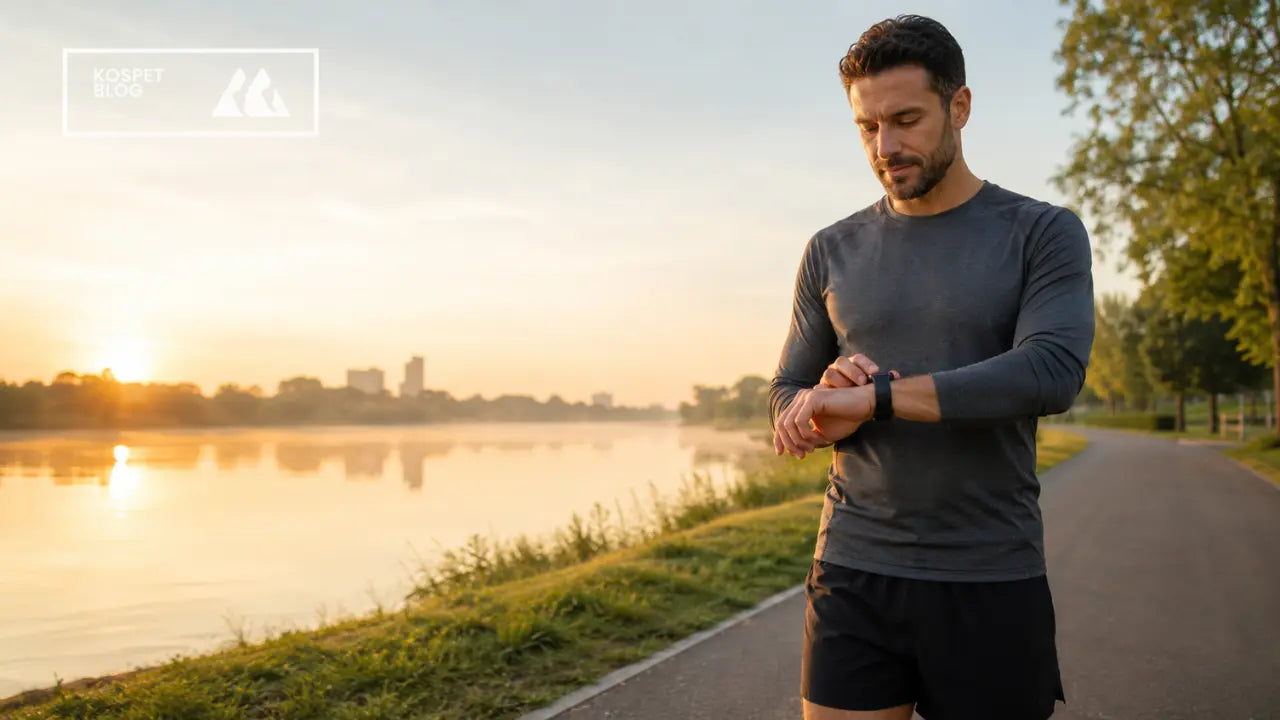
La stessa distinzione vale per le corse al mattino presto. Le strade illuminate dai lampioni e un cielo che si schiarisce gradualmente si adattano a una torcia dell’orologio, mentre un sentiero senza illuminazione prima dell’alba richiede ancora una lampada frontale.
Orologi da corsa consigliati con torcia per corse notturne con poca luce
KOSPET offre diversi orologi GPS con torcia LED fisica. Ognuno si adatta a una routine diversa, invece di offrire semplicemente un elenco più lungo di specifiche.
| Orologio KOSPET | Abbinamento migliore | Punti salienti per corsa e batteria | Torcia |
|---|---|---|---|
| KOSPET PULSE 2 | Corsa urbana regolare | GPS dual-band, oltre 160 modalità sportive, fino a 15 giorni di utilizzo tipico | LED integrato |
| KOSPET ORB 2 | Corsa, lavoro e uso outdoor nel weekend | GPS dual-band, design robusto, fino a 16 giorni di utilizzo tipico | LED integrato |
| KOSPET TANK T4C | Percorsi con luce mista e uso outdoor robusto | Fino a 21 ore di utilizzo GPS, oltre 170 modalità di allenamento | LED a cinque livelli |
| KOSPET TANK M4C | Percorsi con luce mista e display più ampio | Fino a 21 ore di utilizzo GPS, oltre 170 modalità di allenamento | LED a cinque livelli |
I dati sulla batteria provengono dai test di laboratorio KOSPET. Le impostazioni del GPS, la luminosità del LED, l’uso del display e le condizioni ambientali influenzano i risultati reali.
KOSPET PULSE 2 — La scelta quotidiana del runner urbano
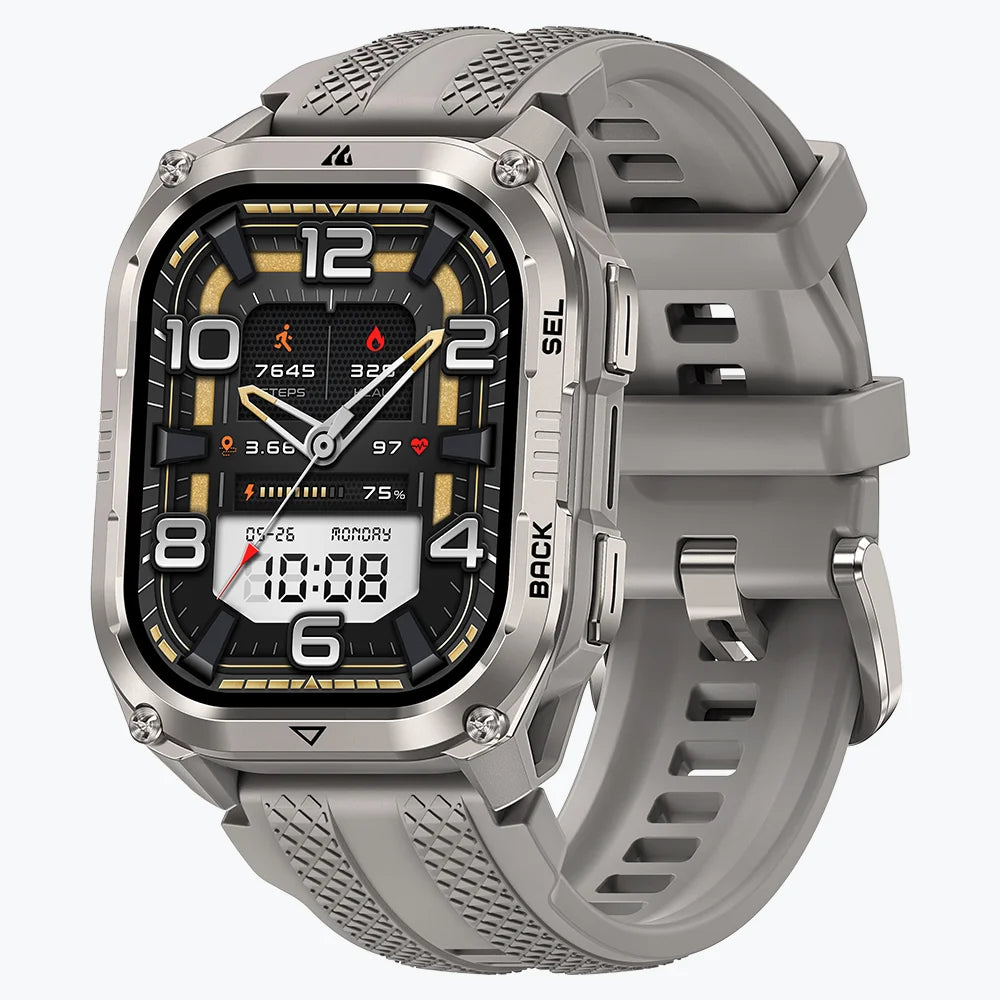
KOSPET PULSE 2 Smartwatch
79,99 €EUR
La scena: Una corsa di cinque chilometri dopo il lavoro, per lo più sotto i lampioni, con alcuni isolati residenziali poco illuminati lungo il percorso.
Perché si adatta: Il design quadrato più leggero appare più naturale per l’allenamento regolare e l’uso quotidiano. Il LED integrato è pronto per brevi vuoti di visibilità senza trasformare l’orologio in un ingombrante strumento outdoor.
Il compromesso: I runner che vogliono diversi livelli di torcia selezionabili dovrebbero guardare al TANK T4C o al TANK M4C.
Per i percorsi urbani con poca luce trattati in questo articolo, il PULSE 2 è la scelta più equilibrata.
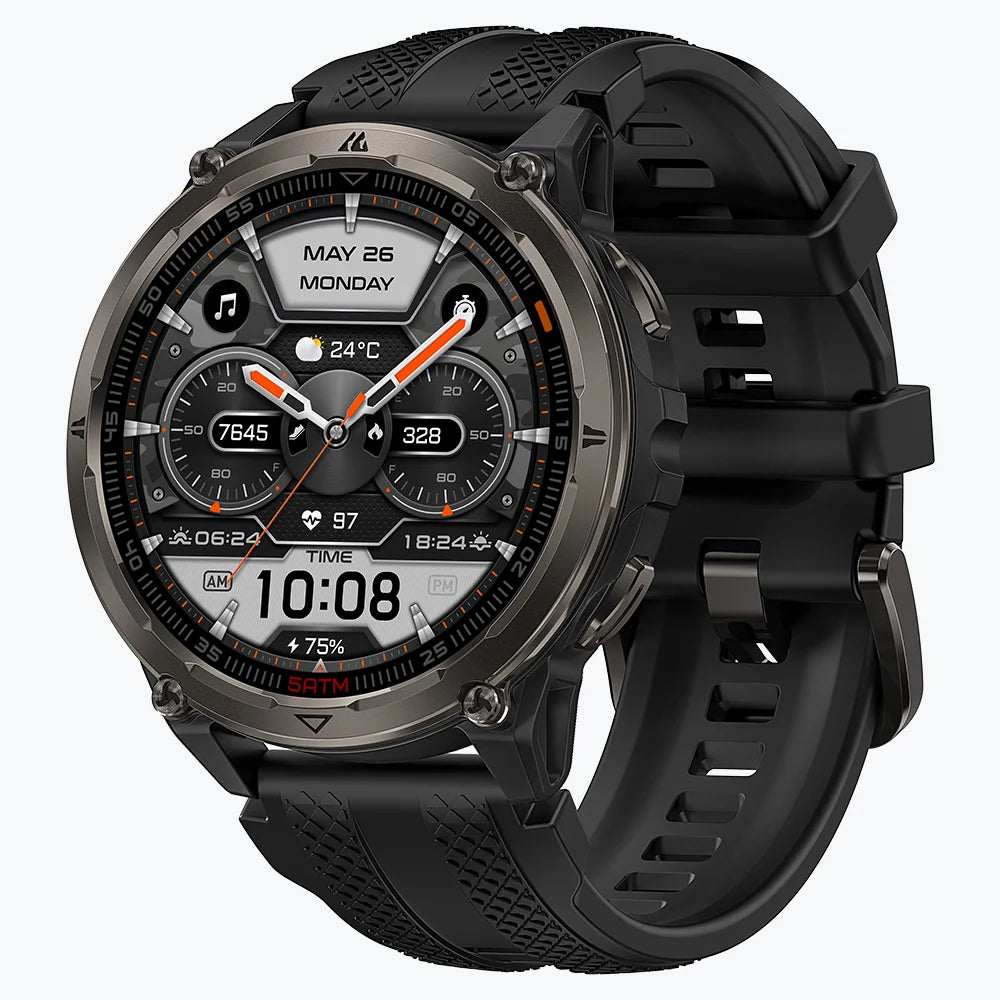
KOSPET ORB 2 — Un orologio rotondo per corse e giornate all’aperto
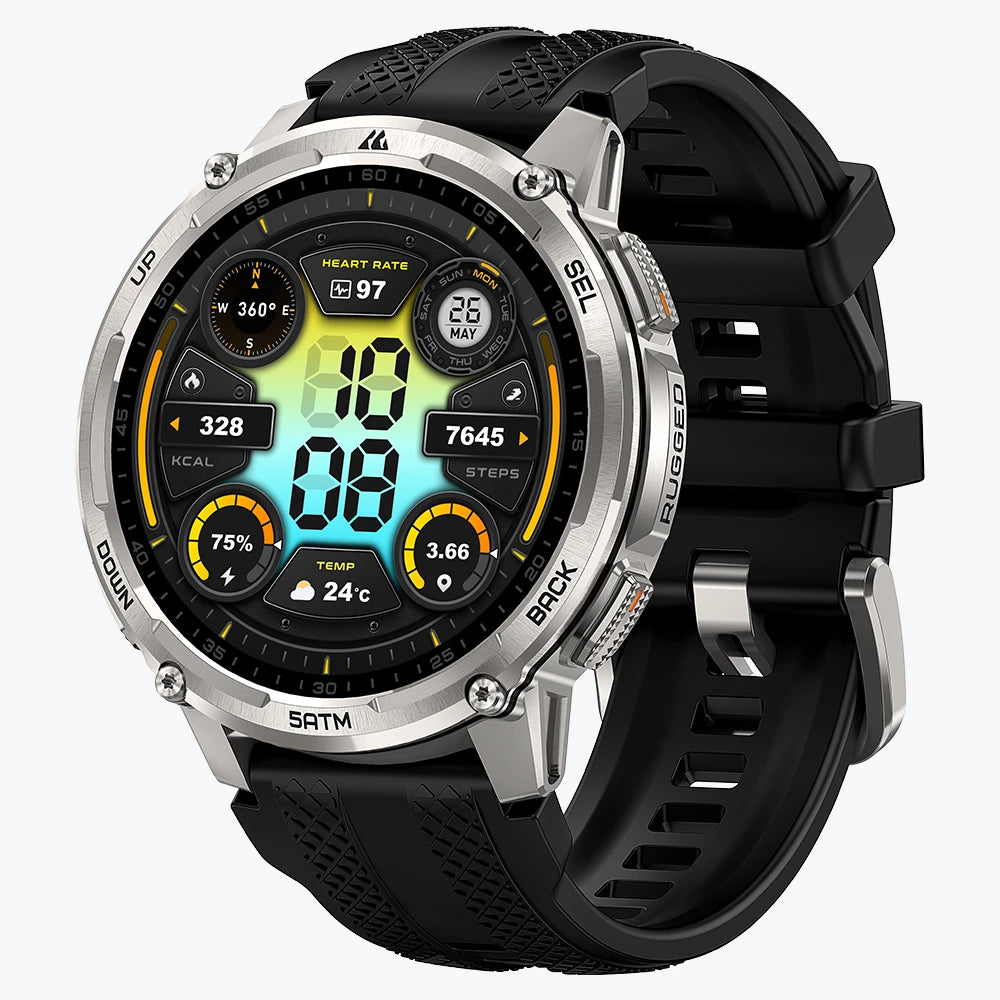
La scena: Lo stesso orologio va al lavoro durante il giorno, registra una corsa serale e accompagna un’escursione nel weekend.
Perché si adatta: L’aspetto rotondo e robusto si adatta facilmente a queste attività. Il suo LED supporta i marciapiedi poco illuminati, mentre la costruzione resistente è adatta a chi ha una routine che va oltre la corsa su strada.
Il compromesso: Lo stile outdoor ha una presenza visiva maggiore rispetto al design più leggero del PULSE 2.
Scegli l’ORB 2 per una cassa rotonda tradizionale e una gamma più ampia di attività quotidiane.
KOSPET TANK T4C — Per percorsi con maggiori cambiamenti di illuminazione
La scena: Una corsa inizia sotto i lampioni di una zona residenziale e continua lungo una strada più buia lungo il fiume o in una zona industriale.
Perché si adatta: Cinque livelli di luminosità offrono al runner un controllo maggiore quando l’ambiente cambia. L’emissione più bassa è adatta alle strade illuminate; le impostazioni più forti coprono brevi tratti con luce sensibilmente più debole.
Il compromesso: Il suo corpo robusto è più consistente di un leggero orologio da corsa quotidiano.
Il TANK T4C è l’opzione rotonda più forte per i runner che si spostano regolarmente tra strade cittadine e ambienti outdoor più impegnativi.
KOSPET TANK M4C — Per i runner che desiderano una visione più ampia
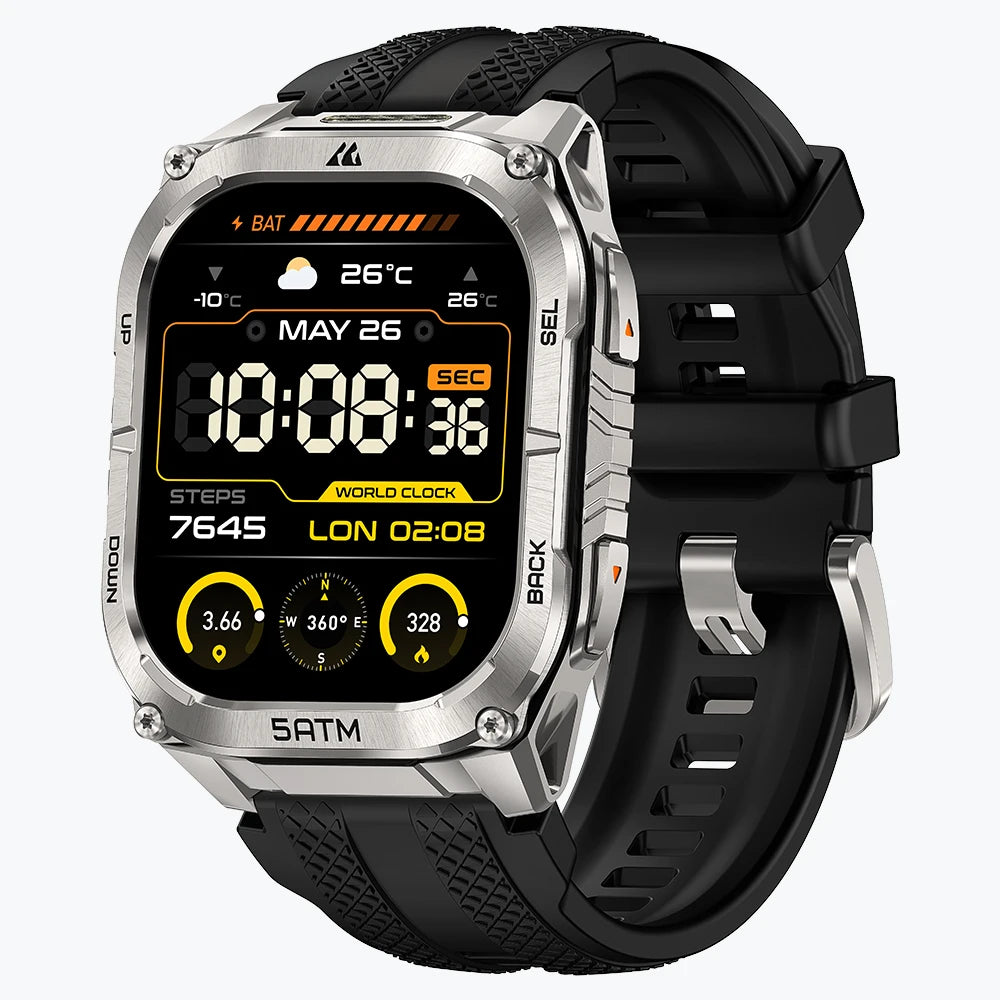
La scena: Il ritmo, la frequenza cardiaca e la distanza vengono controllati regolarmente durante una sessione di allenamento serale.
Perché si adatta: Il grande display quadrato rende più facile consultare le informazioni dell’allenamento mentre ci si muove. La torcia a cinque livelli gestisce anche percorsi con cambiamenti più evidenti della luce ambientale.
Il compromesso: Il display più grande crea una presenza al polso più marcata rispetto al PULSE 2.
Scegli il TANK M4C per la stessa flessibilità di illuminazione robusta del T4C, con più spazio sullo schermo per i dati di allenamento.
Come usare la torcia di un orologio da corsa nelle corse notturne con poca luce
Un’interazione fluida con la luce richiede solo pochi secondi:
- Tieni spento il LED sulle strade chiaramente illuminate.
- Attivalo prima di raggiungere un tratto più buio.
- Ruota il polso verso il marciapiede vicino.
- Torna a un movimento naturale del braccio una volta che la superficie è chiara.
- Spegni la luce sotto il lampione successivo.
L’obiettivo non è illuminare l’intera strada. Il LED deve solo rivelare il dettaglio immediato che la luce ambientale ha nascosto.
Tre errori comuni con la torcia dell’orologio
Usare la massima luminosità per tutta la corsa
Una potenza maggiore è utile per un tratto particolarmente buio, ma la massima luminosità continua consuma batteria senza aggiungere molto valore sotto i lampioni.
Tenere il polso in avanti troppo a lungo
Il fascio diventa più stabile, ma la posizione alterata del braccio interferisce con il movimento naturale della corsa. Un breve controllo del terreno funziona meglio che cercare di trasformare l’orologio in una luce frontale permanente.
Trattare la torcia come visibilità completa nel traffico
Il LED in movimento aggiunge un segnale evidente da alcune angolazioni. Non sostituisce l’abbigliamento riflettente né una luce rossa posteriore vicino al traffico.
Una configurazione urbana pratica combina:
- Torcia dell’orologio per controlli del terreno vicino
- Dettagli riflettenti per la visibilità laterale
- Luce rossa posteriore per i veicoli che arrivano da dietro
- Percorsi familiari e regolarmente illuminati
Domande frequenti
La torcia di un orologio può sostituire una lampada frontale sulle strade cittadine?
Sì. Le strade cittadine regolarmente illuminate richiedono solo luce supplementare occasionale. Un LED fisico dell’orologio può gestire marciapiedi in ombra, cordoli e brevi vuoti tra i lampioni.
La torcia di un orologio è abbastanza luminosa per la corsa notturna con poca luce?
Un LED dedicato è adatto ai dettagli a breve distanza su un percorso già visibile. Le strade nascoste dall’oscurità richiedono il fascio più ampio e stabile di una lampada frontale.
L’uso della torcia scarica la batteria dell’orologio da corsa?
Il LED condivide l’alimentazione con il GPS, il monitoraggio della frequenza cardiaca e il display. Brevi periodi di illuminazione consumano meno energia che lasciare la luce accesa durante tutto l’allenamento. KOSPET valuta il TANK T4C e il TANK M4C fino a cinque ore di funzionamento LED continuo in condizioni di laboratorio.
I conducenti possono vedere la torcia del polso di un runner?
La luce del polso in movimento aumenta la visibilità vicino a attraversamenti e incroci, ma non copre ogni direzione. L’abbigliamento riflettente e una luce posteriore restano importanti nel traffico.



Lascia un commento
Questo sito è protetto da hCaptcha e applica le Norme sulla privacy e i Termini di servizio di hCaptcha.