

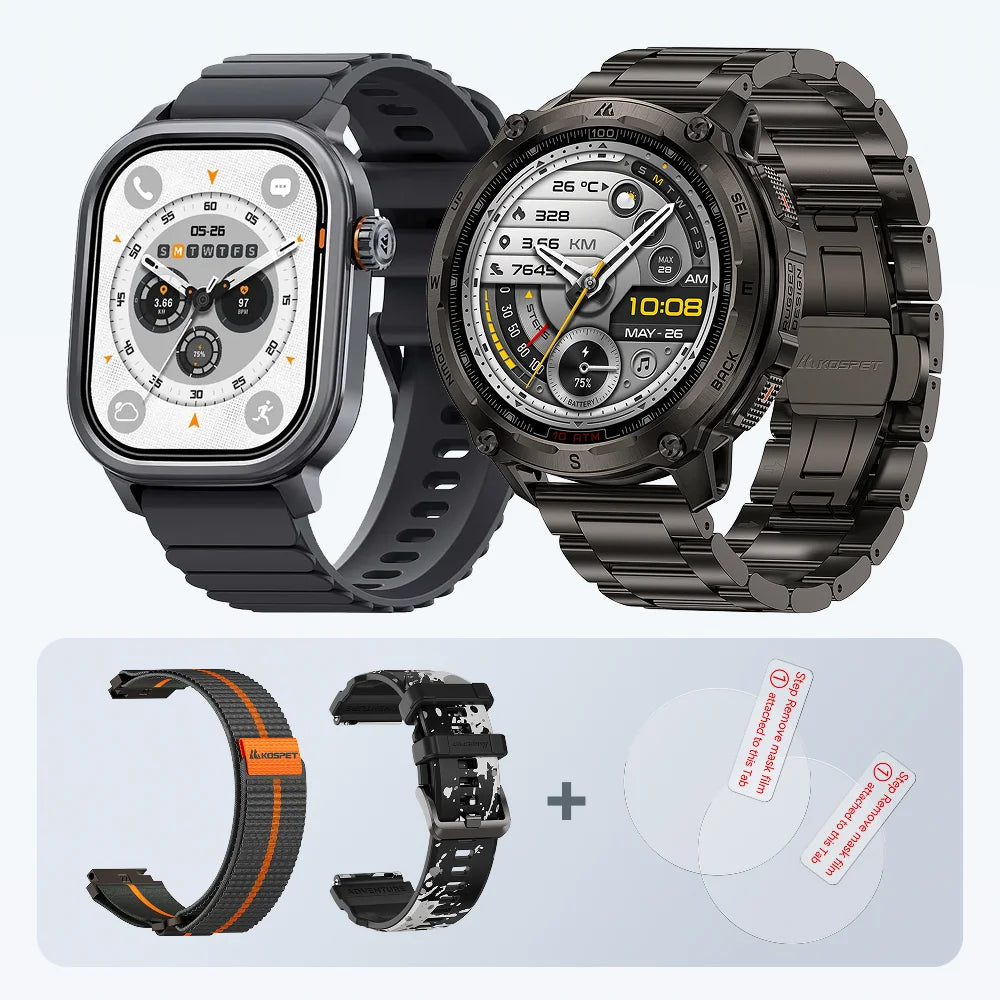
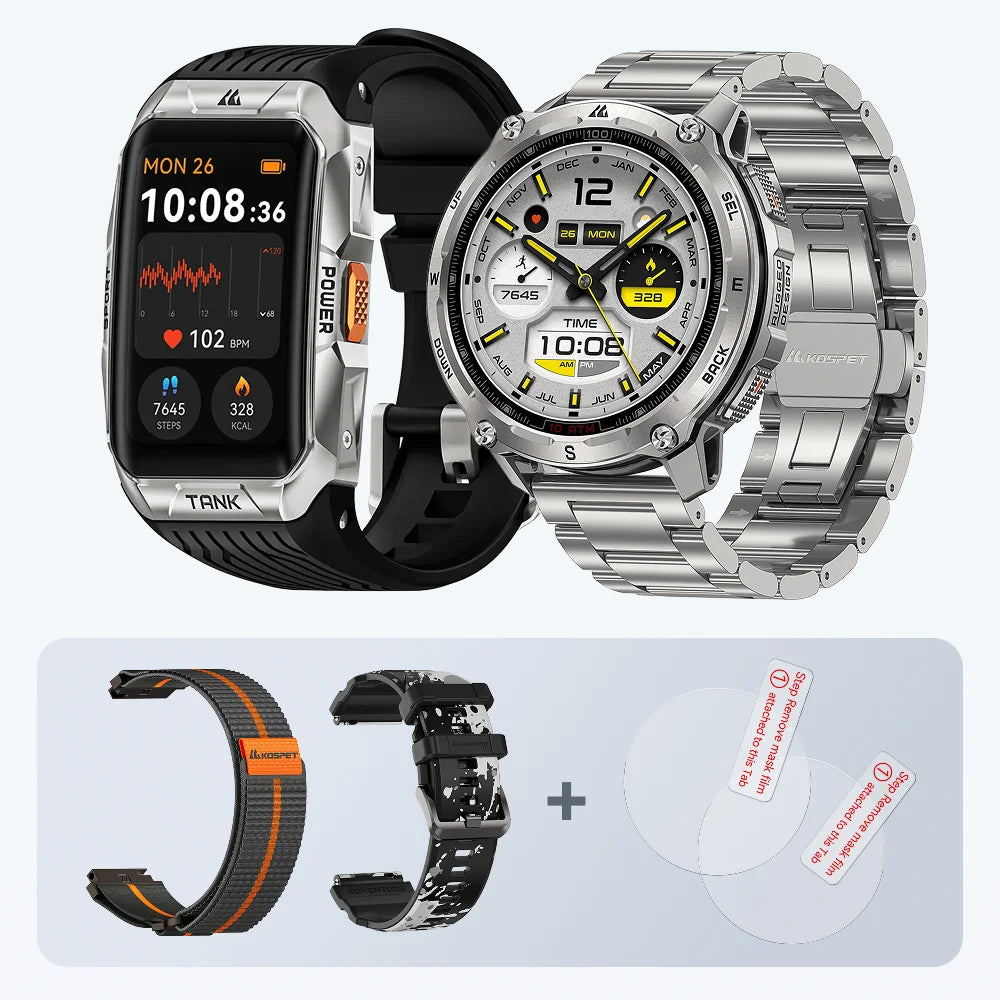
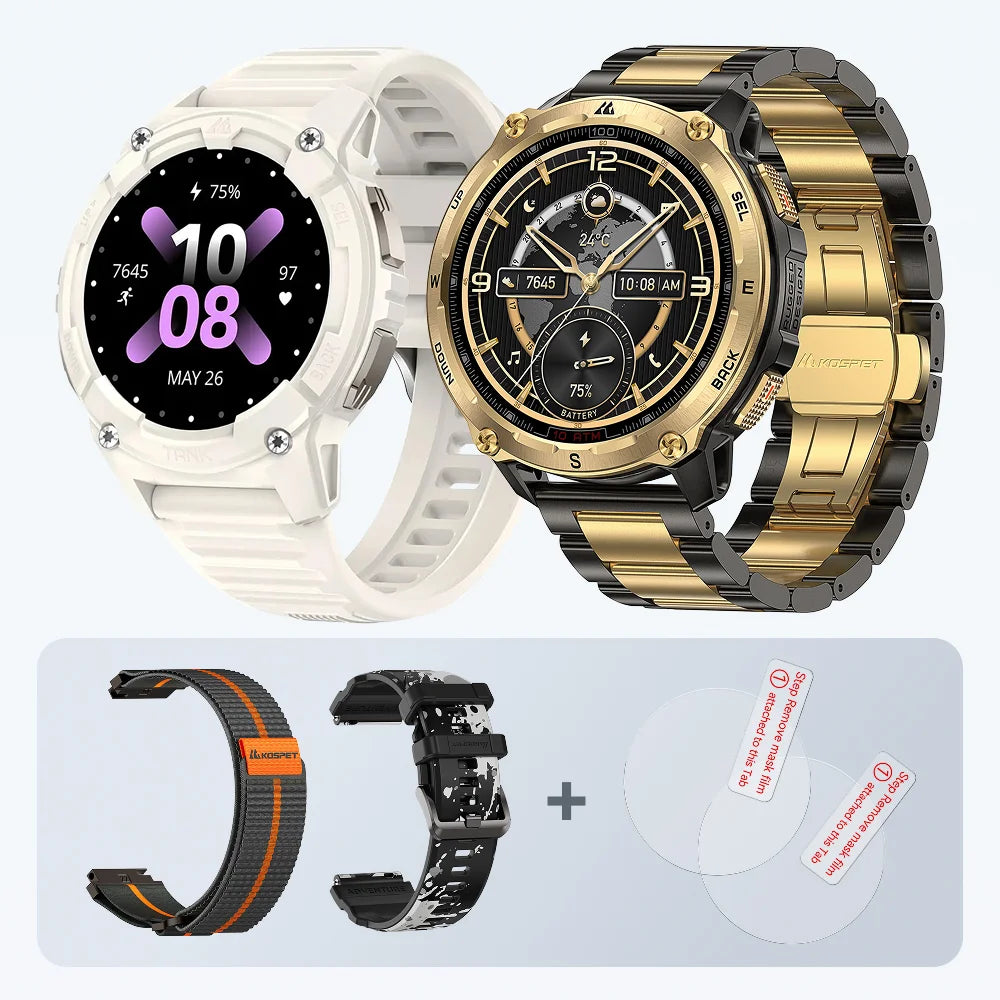
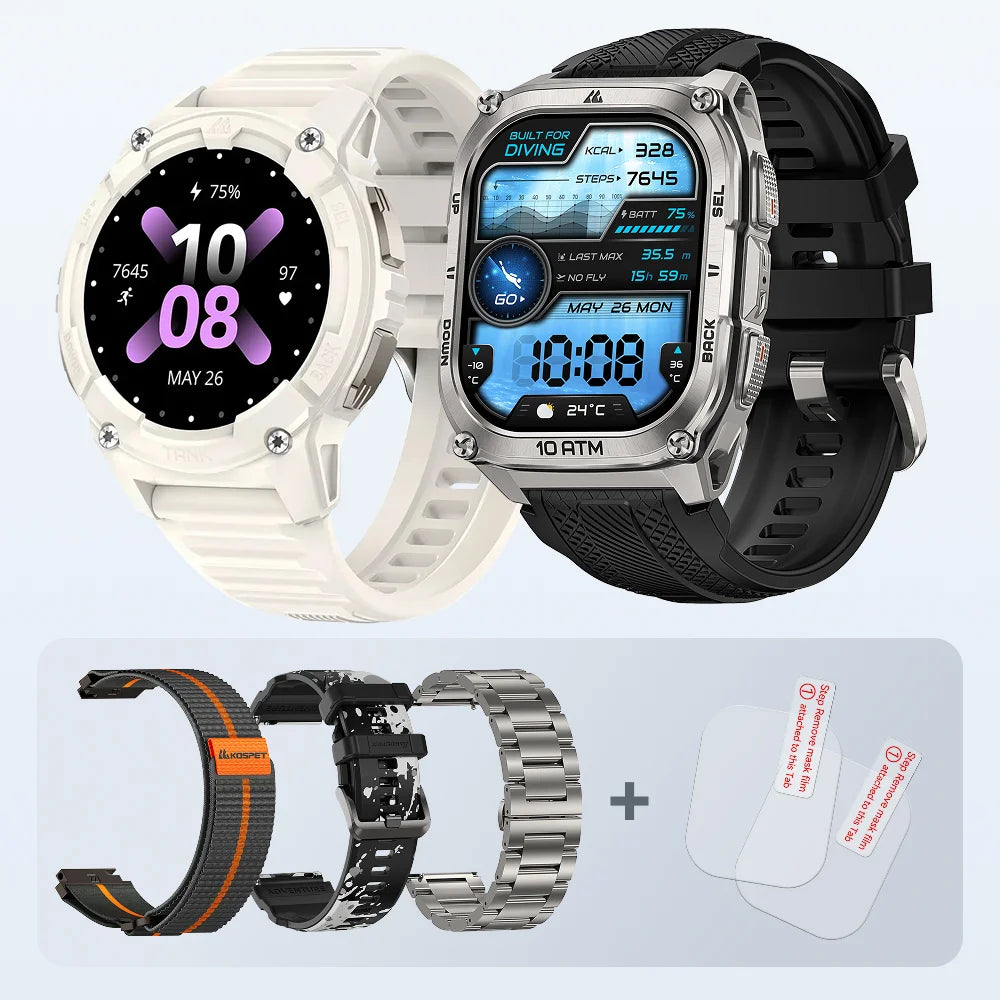


Un pratico orologio da corsa guida all'acquisto per audio senza telefono, navigazione sui sentieri, durata della batteria, resistenza e vestibilità al polso.
Questo guida si basa su specifiche pubblicate piuttosto che su test pratici del prodotto. I servizi musicali, la copertura delle mappe e le funzioni software possono variare in base alla regione o cambiare dopo un aggiornamento.
Punti chiave
Inizia con il percorso più impegnativo che prevedi di affrontare. Un circuito segnalato nel parco richiede principalmente una riproduzione comoda e indicazioni di base sul percorso. Un percorso di montagna sconosciuto mette maggiormente alla prova la navigazione, i comandi, la durata della batteria e la resistenza.
Il seguente confronto fornisce un orientamento rapido prima di esaminare in dettaglio ciascuna caratteristica.
| Modello | Musica offline | Trail di navigazione | Figura della batteria pertinente | Utente Idoneo |
|---|---|---|---|---|
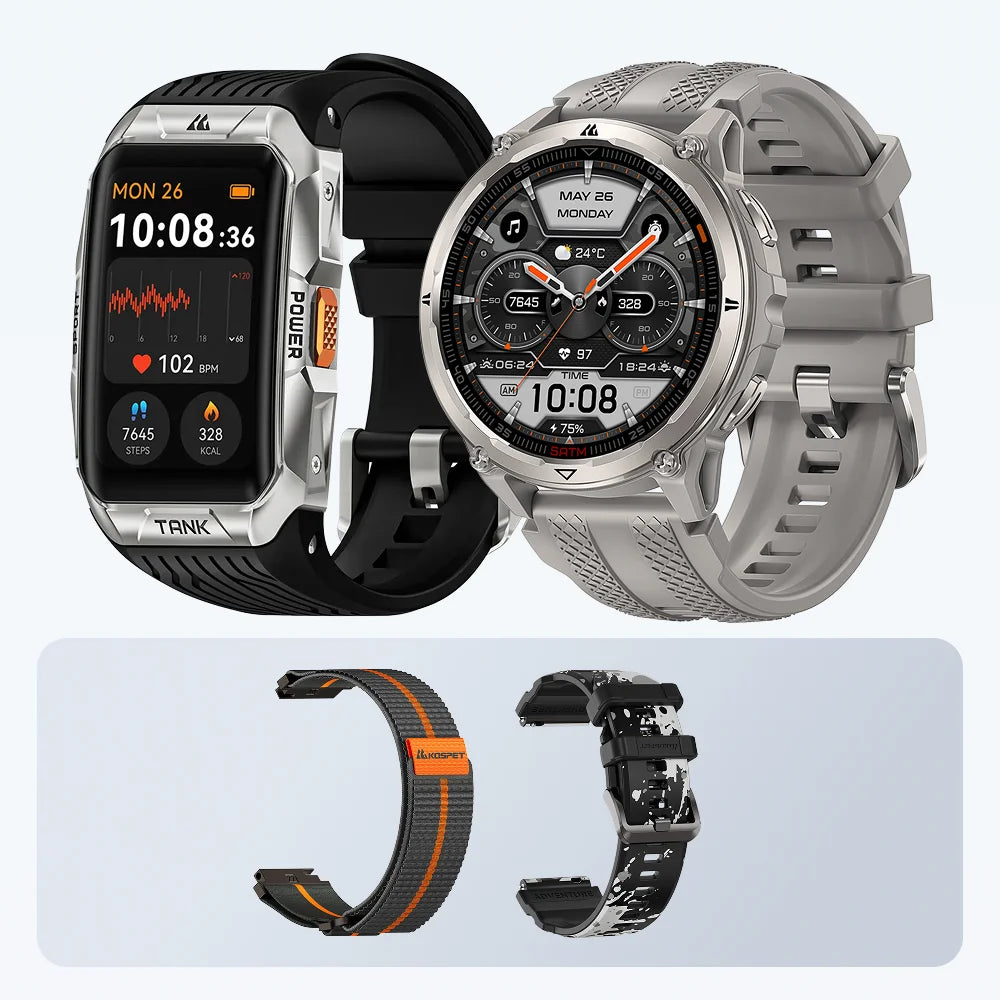
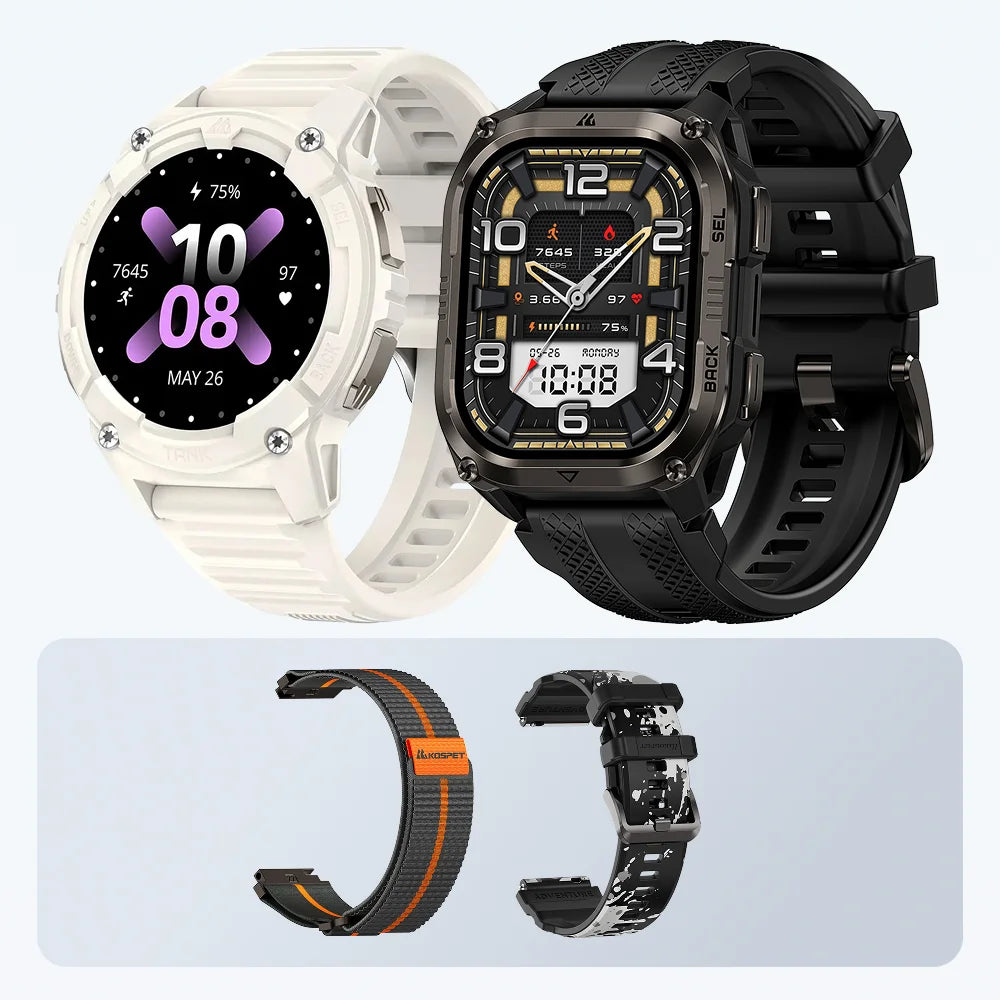
| KOSPET TANK T4 | Local tracks; 32 GB di archiviazione condivisa | Offline mappe; importazione di percorsi GPX e KML | Fino a 21–22 ore di GPS continuo; l'autonomia combinata con GPS e musica non è pubblicata | I corridori orientati al trail che desiderano mappe, struttura robusta e una cassa rotonda |
| KOSPET TANK M4 | Tracce locali; 32 GB di archiviazione condivisa | Mappe offline; importazione di percorsi GPX e KML | Up to 21–22 ore di GPS continuo; la musica non è inclusa nel test dichiarato | Corridori multisport che desiderano un display più grande e funzionalità più avanzate per l'uso in acqua |
| Garmin fēnix 8 | Audio personale e playlist di abbonamento supportate | Mappe topografiche scaricabili e guida ai percorsi | Fino a 10 ore con tutti i sistemi satellitari e musica attivi sul modello AMOLED da 47 mm | Runner abituali di montagna che hanno bisogno di un contesto cartografico dettagliato |
| COROS VERTIX 2S | File MP3 trasferiti | Mappe offline globali, indicazioni di percorso e avvisi di deviazione | Fino a 32 ore con GPS ad alta precisione su tutti i sistemi e musica offline | Ultra maratoneti che danno priorità alla resistenza |
| Apple Watch Ultra 3 | Downloaded Apple Music e altri audio supportati | Sincronizzati mappe offline, waypoint e Backtrack | Fino a 14 ore con GPS completo e letture della frequenza cardiaca; la musica continua non è specificata | utenti iPhone che combinano l'allenamento trail con le app di tutti i giorni |
- Conferma che “music” significa riproduzione offline anziché controllo di un telefono nelle vicinanze.
- Per i percorsi familiari usa una traccia, e una mappa di base offline per i bivii incerti.
- Confronta l'autonomia GPS con musica invece dei dati dichiarati in giorni smartwatch o del solo GPS.
- Scegli in base alle dimensioni della cassa e al peso, invece di affidarti all’etichetta “da uomo”.
{{table-of-contents}}
Offline Music sugli orologi da trail running da uomo
Conferma che la musica funzioni senza telefono
L'autentica riproduzione offline significa che l'audio riproducibile viene memorizzato sull'orologio e inviato direttamente alle cuffie associate. Il telefono non è necessario dopo la configurazione.
Music control funziona in modo diverso. L'orologio invia solo comandi all'audio in riproduzione su un telefono connesso. Una volta che il telefono rimane in auto o esce dal raggio d'azione, la riproduzione si interrompe.
Prima dell'acquisto, conferma:
- Che i file audio o le playlist siano memorizzati sull'orologio
- Quali formati di file o servizi in abbonamento sono supportati
- Se le cuffie si collegano direttamente all'orologio
- Whether playback controls remain available during a recorded activity
Scegli tra file locali e playlist scaricate
I file locali sono adatti ai runner che dispongono già di una libreria audio. Una volta trasferite, le tracce non dipendono da un account a pagamento né da un accesso periodico a internet. Il limite principale è il processo di trasferimento manuale.
I playlist dell’abbonamento scaricati sono più facili da aggiornare, ma l’accesso può dipendere da un’app per smartwatch compatibile, un piano attivo, il supporto regionale e occasionali verifiche dell’account. Salvare una playlist in una libreria online non significa necessariamente scaricarla sull’orologio.
Testa l'audio Bluetooth all'aperto
Connection quality può cambiare in base alla posizione dell'antenna, all'abbigliamento, al movimento del braccio e agli ostacoli fisici. Il Bluedente SIG guida alla portata wireless spiega perché la distanza utilizzabile varia tra dispositivi e ambienti.
Pair the cuffie pensate per la corsa e testale con un gilet di idratazione, indumenti bagnati e il normale movimento delle braccia. Le indicazioni di navigazione dovrebbero rimanere comprensibili quando interrompono la musica.
L'audio non è adatto a ogni percorso. Il Denali National Park: linee guida di sicurezza sugli orsi consiglia alle persone di non indossare cuffie o auricolari durante escursioni, jogging o ciclismo in zone frequentate dagli orsi. Le indicazioni locali sulla fauna selvatica e i regolamenti delle gare hanno la priorità.
GPS e navigazione offline per orologi da trail running
Match le funzionalità GPS al terreno
Un orologio che registra una traccia pulita su una strada aperta può comportarsi in modo diverso sotto alberi fitti o accanto a pareti rocciose. I segnali satellitari possono essere bloccati o riflessi in foreste, valli e gole.
GPS.gov: guida sulla precisione identifica il blocco del segnale e l'interferenza multipath come cause comuni di errore di posizionamento. La ricezione multi-banda può migliorare la coerenza in queste condizioni, anche se non garantisce una traccia perfetta.
I test indipendenti sono più utili quando rispecchiano il terreno su cui prevedi di correre. Un confronto su pista in città fornisce prove limitate sulle prestazioni all'interno di una valle boscosa.
Scegli il dettaglio di navigazione appropriato
Un percorso breadcrumb visualizza il tracciato pianificato come una linea. Di solito è sufficiente per percorsi familiari, gare segnalate e itinerari con pochi incroci.
Un basemap offline aggiunge sentieri, strade, punti di riferimento o corsi d'acqua circostanti. Questo contesto diventa utile quando più sentieri si incrociano o una chiusura obbliga a una deviazione.
Topographic maps aggiungono linee di contorno che rappresentano l'altezza e la forma del terreno. Il Spiegazione dello U.S. Geological Survey sulle mappe topografiche descrive come la spaziatura delle curve di livello possa anche comunicare la pendenza del pendio.
Controlla il flusso di lavoro del percorso prima del giorno della gara
Conferma che l'orologio supporti il formato di percorso richiesto, gli avvisi di fuori percorso, i profili di elevazione, i checkpoint e la guida per il ritorno al punto di partenza. Il ritorno al punto di partenza può ripercorrere il percorso registrato oppure semplicemente indicare la direzione verso il punto di partenza, quindi il comportamento esatto è importante su terreni complessi.
Apri un percorso importato prima di un evento importante e controlla i suoi snodi principali. I file dei percorsi di terze parti possono contenere tracciati obsoleti o collegamenti errati.
Il Servizio dei parchi nazionali: i dieci elementi essenziali includono una mappa, una bussola e un sistema GPS. Una mappa fisica rimane un utile supporto di riserva sui percorsi remoti.
Durata della batteria per orologi da trail running con musica offline
Usa una figura combinata GPS e musica
Le dichiarazioni sull'autonomia dello smartwatch per l'uso quotidiano non rappresentano l'uso nel trail running. Il tracciamento GPS, il rilevamento della frequenza cardiaca, l'audio Bluetooth, gli avvisi di navigazione e i controlli dello schermo comportano un carico di lavoro più elevato.
Il dettaglio più rilevante delle specifiche include esplicitamente sia il GPS sia la musica. Se il produttore pubblica solo l'autonomia con il solo GPS, considera il dato incompleto per pianificare l'audio senza telefono.
Controlla anche le condizioni di test. La modalità satellite, le impostazioni del display, i sensori collegati e la frequenza degli avvisi possono modificare il risultato.
Crea un budget della batteria in base al tempo trascorso
La sola distanza del percorso non può prevedere il fabbisogno della batteria. Salite, discese tecniche, soste ai punti di ristoro, maltempo ed errori di percorso prolungano l’attività.
Required runtime = tempo di percorrenza + soste pianificate + margine per ritardi + 25% di riserva
Un percorso di tre ore può richiedere circa cinque ore di capacità complessiva. Una corsa in montagna di otto ore fa pensare a undici ore o più. Un'ultramaratona di 20 ore richiede almeno 25 ore, a meno che il corridore non abbia già testato un piano di ricarica consentito.
Se la capacità residua diventa limitata, dai priorità alla registrazione dell'attività e alla navigazione rispetto alla musica.
Lascia un margine aggiuntivo per le impostazioni e la temperatura
La visualizzazione frequente delle mappe, l'elevata luminosità, un display always-on, il posizionamento multi-band, l'audio Bluetooth e i sensori esterni aumentano il consumo energetico. Uno studio di utilizzo della batteria dello smartwatch ha identificato il display e il processore tra i principali consumatori di energia.
Il freddo riduce anche le prestazioni disponibili della batteria. Ricerca su batterie agli ioni di litio in ambienti a basse temperature segnala una perdita di capacità con il calare delle temperature, con effetti più marcati sotto lo zero.
Evita di scegliere un orologio il cui massimo pubblicato termina all'orario di arrivo previsto.
Men’s Trail Running Watch: Design, Resistenza e Vestibilità
Usa comandi che funzionano mentre sei in movimento
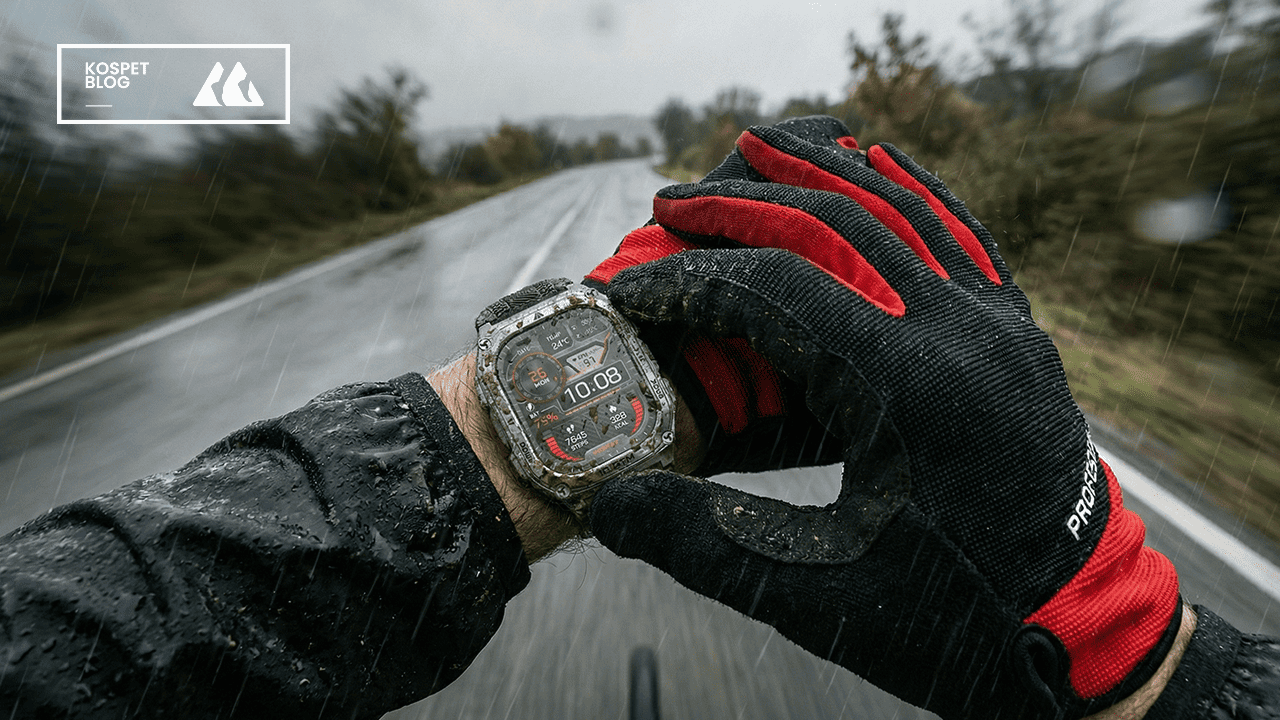
Pioggia, fango, sudore e guanti rendono l'input tramite touchscreen meno prevedibile. I comandi fisici aiutano il corridore a cambiare le pagine dati, segnare un lap o aprire la navigazione senza fermarsi.
I modelli TANK T4 e TANK M4 utilizzano entrambi quattro pulsanti. Il VERTIX 2S combina pulsanti tattili con una ghiera digitale. L'Ultra 3 aggiunge un pulsante Azione e una Digital Crown, mentre il fēnix 8 unisce la navigazione tramite touchscreen a controlli fisici protetti.
Testa le funzioni essenziali di attività con le mani bagnate e i guanti da trail durante il periodo di reso.
Confronta la dimensione della cassa con la stabilità del polso
I grandi orologi offrono una maggiore area della mappa e possono ospitare batterie più grandi, ma possono spostarsi durante le discese tecniche.
Il TANK T4 ha una cassa rotonda da 48.6 mm e pesa 77 g senza cinturino. Il TANK M4 misura 50.5 × 42.5 × 13 mm e pesa 80 g senza cinturino. Il VERTIX 2S utilizza una cassa da 50.3 mm, mentre l'Ultra 3 ha un design fisso da 49 × 44 mm. Il fēnix 8 è disponibile in diverse dimensioni.
Controlla il movimento sopra l'osso del polso, la pressione del bottone, l'ampiezza della manica e il comfort con i bastoncini da trekking. Una vestibilità stabile non dovrebbe richiedere un serraggio eccessivo.
Separare la resistenza all'acqua dalla protezione dagli urti
Water ratings, resistenza ai graffi e protezione dagli urti affrontano rischi diversi. Una custodia sigillata può resistere a una forte pioggia, mentre lo schermo rimane vulnerabile al contatto diretto con la roccia.
The Spiegazione ISO degli standard di impermeabilità degli orologi L'ISO 22810 definisce i requisiti e i metodi di prova per gli orologi resistenti all'acqua. Gli acquirenti devono comunque seguire le istruzioni per la cura del singolo modello.
Men’s Trail Running Watches con Musica Offline da Considerare
Questi cinque orologi soddisfano esigenze diverse nel trail running anziché costituire una classifica. Il TANK T4 è l'opzione KOSPET più orientata alla corsa, mentre il TANK M4 privilegia un display più grande e un utilizzo multisport più ampio.
KOSPET TANK T4: Per percorsi escursionistici, mappe offline e musica locale
KOSPET TANK T4 Special Edition Smartwatch
219,99 €EUR
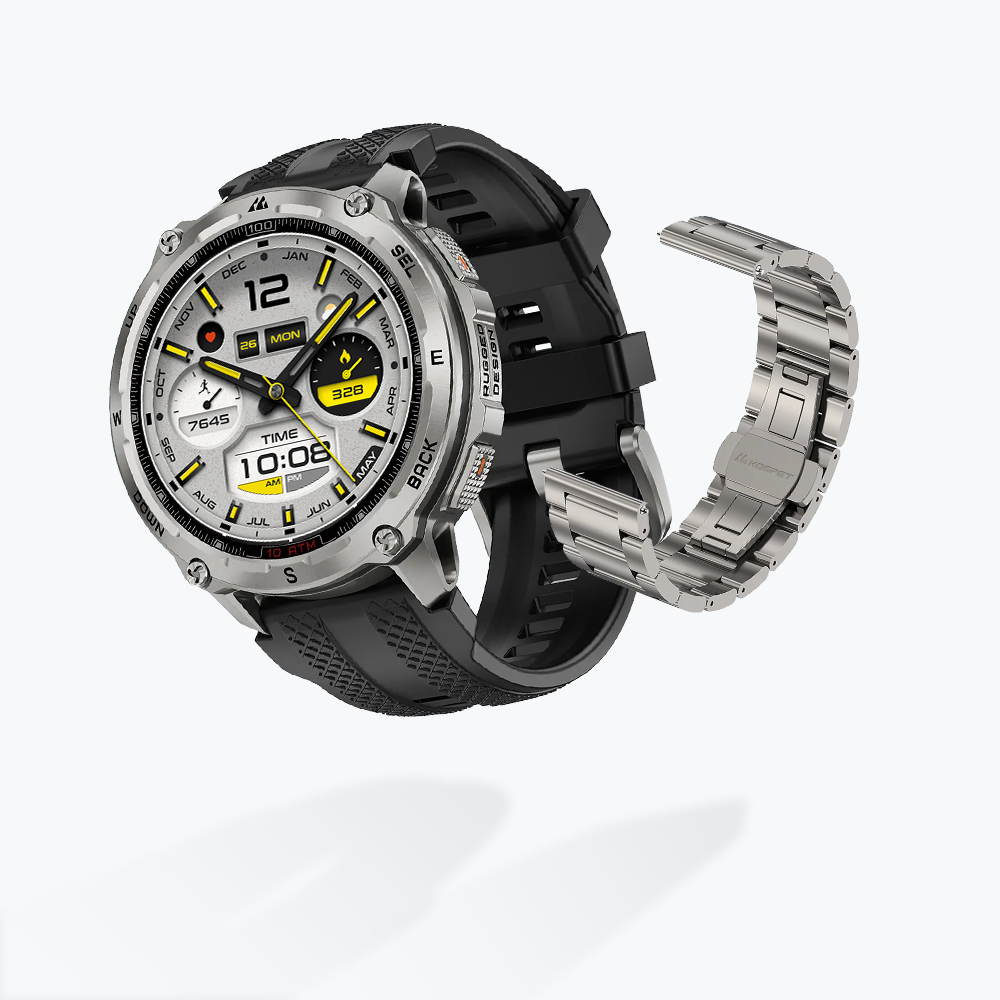
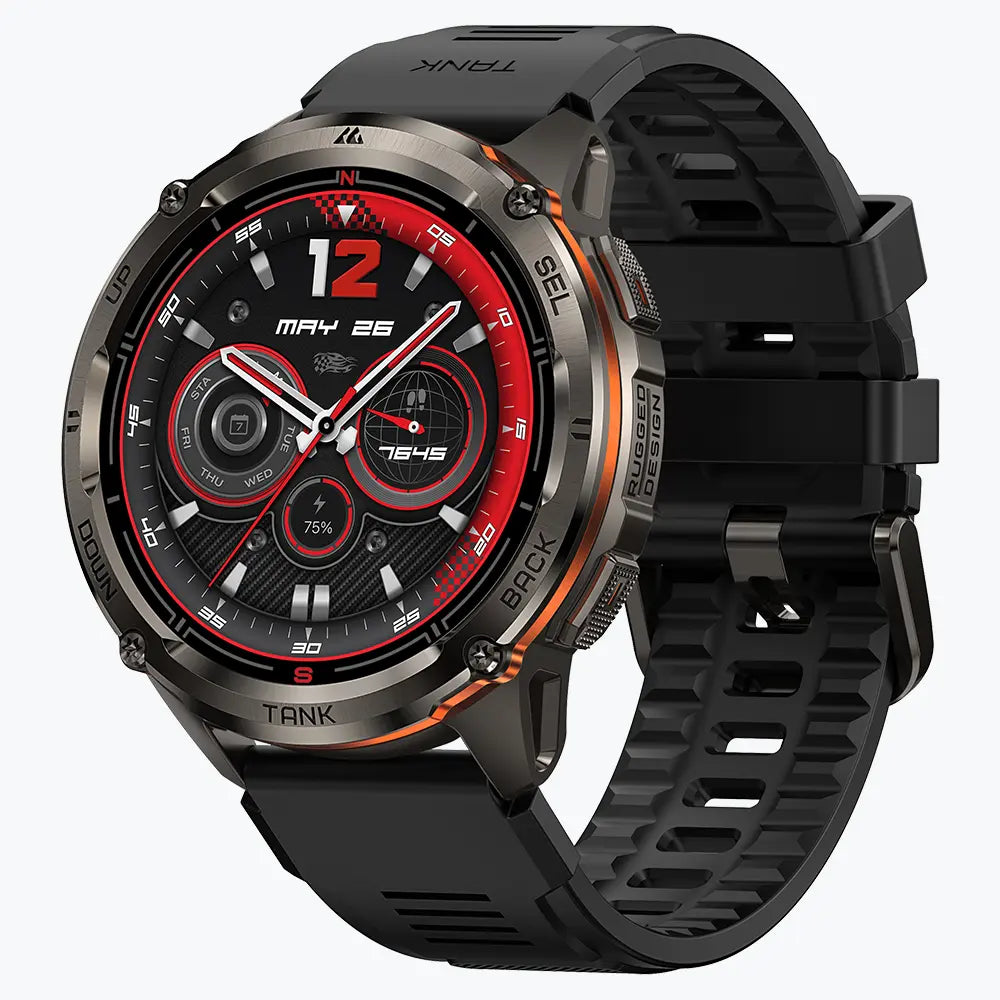
Il TANK T4 riunisce la navigazione del percorso e l'audio senza telefono in un orologio rotondo e resistente. È adatto ai runner che esplorano sentieri nel bosco, percorsi di montagna e altre zone dove la copertura mobile è inaffidabile.
- Il GNSS dual-band a sei sistemi funziona con mappe offline e con importazioni di percorsi GPX o KML.
- The 32 GB di spazio di archiviazione sono condivisi tra musica locale, dati delle mappe, file di sistema e attività.
- KOSPET dichiara 21–22 ore di utilizzo continuo del GPS, ma non un risultato combinato di GPS e musica.
KOSPET TANK M4: Per una Visualizzazione della Mappa più Ampia e l'Allenamento Multisport
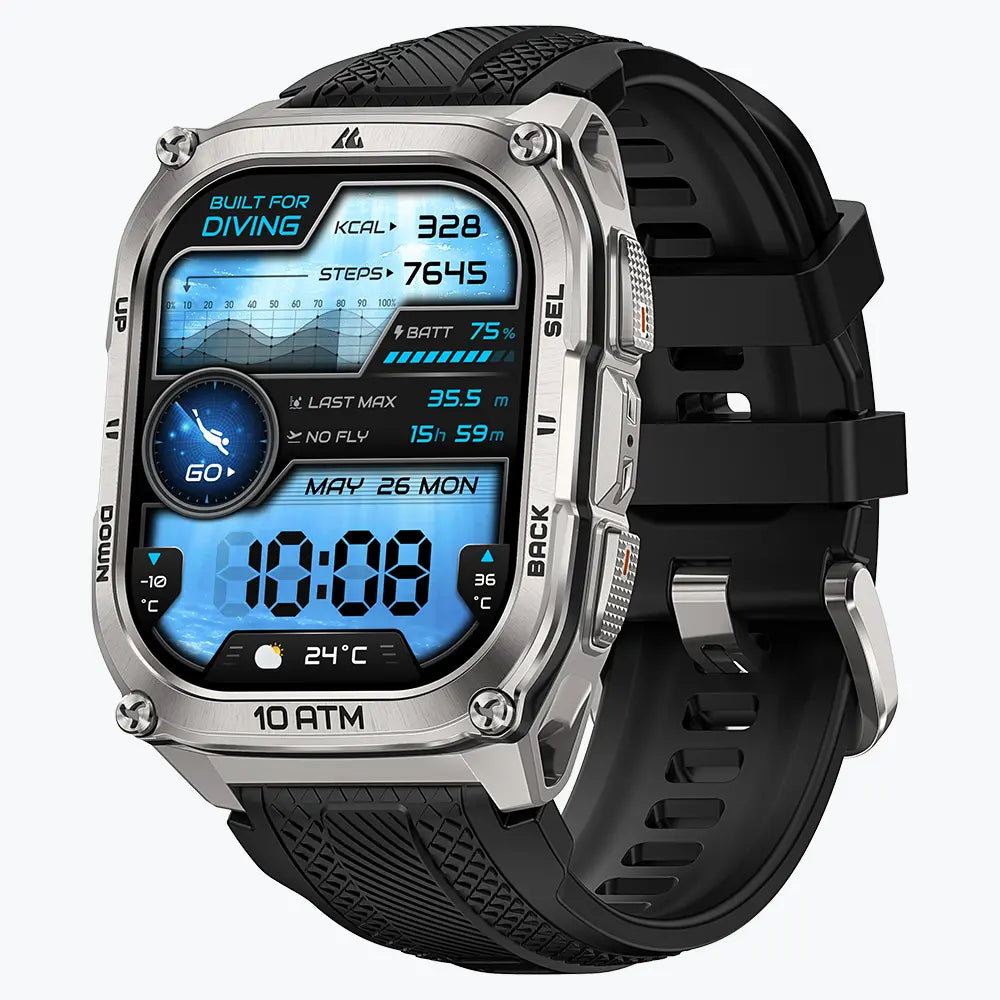
L'orologio TANK M4 ha più senso per i runner che desiderano un'area dello schermo aggiuntiva o che usano lo stesso orologio per trail running, nuoto e attività acquatiche. Il suo display AMOLED da 1.96-inch offre più spazio di visualizzazione agli incroci.
- Mappe offline, importazioni GPX e KML e supporto GNSS dual-band per i percorsi meno conosciuti.
- La musica locale e le mappe condividono 32 GB di spazio di archiviazione, mentre la resistenza 10 ATM e il grado di protezione IP69K supportano gli scenari di utilizzo in ambienti umidi.
- L'astuccio da 80 g richiede una verifica della vestibilità e l'autonomia pubblicata di 21–22 ore è solo con GPS.
Garmin fēnix 8: Per una navigazione montana dettagliata
Il fēnix 8 è pensato per i runner che si avventurano regolarmente in complessi terreni montani. Il suo sistema di mappatura fornisce il contesto dei sentieri circostanti e dell'altitudine che una semplice linea del percorso non può mostrare.
- Le mappe topografiche scaricabili mostrano le curve di livello e i punti di interesse nelle vicinanze.
- Personal audio e playlist da servizi premium selezionati possono essere memorizzati per l'ascolto senza telefono.
- Il modello AMOLED da 47 mm offre fino a dieci ore con tutti i sistemi satellitari e la musica.
COROS VERTIX 2S: Per l'ultra trail running con musica offline
The VERTIX 2S ha il ruolo più chiaramente orientato alle lunghe distanze in questo gruppo. Privilegia l'autonomia combinata di GPS e musica rispetto all'accesso alle app audio in abbonamento.
- COROS indica fino a 32 ore con GPS ad alta precisione su tutti i sistemi e musica offline.
- Le mappe offline globali, le informazioni sull'altitudine, le indicazioni di svolta e gli avvisi di deviazione supportano i percorsi remoti.
- La musica è limitata ai file MP3 trasferiti; l'orologio pesa 70 g con nylon o 87 g con silicone.
Apple Watch Ultra 3: Per Apple Music e l'integrazione quotidiana
L’Ultra 3 è adatto ai runner che desiderano funzionalità da trail senza abbandonare l’ecosistema Apple. Combina intrattenimento scaricato, comunicazione, monitoraggio degli allenamenti e app di uso quotidiano.
- Apple Music scaricato e le mappe offline sincronizzate possono funzionare senza che l’iPhone sia nelle vicinanze.
- Il display da 3,000 nit e il pulsante Azione consentono controlli rapidi in condizioni esterne molto luminose.
- Apple dichiara fino a 14 ore con GPS completo e rilevazione della frequenza cardiaca, ma la musica continua non è inclusa nel test dichiarato.
Domande frequenti
Quanto spazio di archiviazione serve a un orologio da trail running per la musica offline?
Un brano di quattro minuti utilizza circa 4 MB a 128 kbps oppure 8 MB a 256 kbps. In teoria, 4 GB potrebbero contenere circa 500–1.000 brani.
La capacità effettiva è inferiore perché software, mappe e file di attività condividono lo spazio di archiviazione. Verifica la capacità utilizzabile e i formati audio supportati invece di confrontare solo lo spazio di archiviazione totale.
Può un orologio da trail running riprodurre podcast e audiolibri senza un telefono?
Può farlo quando l'orologio accetta il formato audio richiesto o supporta i download dal servizio pertinente. Verifica il supporto per la ripresa dalla posizione di ascolto, la navigazione tra i capitoli, i controlli della velocità di riproduzione e la sincronizzazione dei progressi. La normale riproduzione musicale non garantisce queste funzioni.
Hai bisogno di un altimetro barometrico su un orologio da trail running?
Un altimetro barometrico è utile sui percorsi con dislivelli significativi. Stima l'altitudine in base alla pressione dell'aria e può fornire informazioni sull'ascesa in tempo reale più fluide rispetto al solo posizionamento satellitare.
Il tempo cambia anche la pressione atmosferica, quindi la calibrazione resta importante. La definizione NOAA di altimetro a pressione spiega come l'altitudine venga ricavata dalla pressione barometrica.
Può un orologio da trail running connettersi a cuffie a conduzione ossea?
Sì, quando entrambi i dispositivi supportano profili audio Bluetooth compatibili. Verifica la riconnessione automatica, i controlli del volume e la stabilità del segnale durante la corsa.
Un design open-ear lascia il canale uditivo scoperto, ma un volume elevato può comunque coprire i suoni della fauna selvatica, dei ciclisti e gli avvisi verbali.



Lascia un commento
Questo sito è protetto da hCaptcha e applica le Norme sulla privacy e i Termini di servizio di hCaptcha.