









A good sleep score reflects the device’s assessment of a sleep period. Feeling rested also depends on your recent sleep, daily habits and health. Several short nights, changing schedules or late caffeine can still affect your energy.
- Groggy only after waking: try morning light, gentle stretching and an upright activity to ease into the day.
- Tired on recurring mornings: use a week of sleep records and habit notes to identify patterns worth addressing.
- Sleepy throughout the day: persistent symptoms, especially with snoring or gasping, need professional attention.
KOSPET ORB 2 and Apexmove can provide sleep and activity records for this review. Your notes explain what happened around those records and how you felt.

Why a Good Sleep Score Doesn’t Always Mean You Feel Rested
Last night’s score cannot account for your entire week or overall health. You may have slept better after several short nights, kept changing your bedtime or used caffeine late enough to affect sleep. Your tracker may also miss periods when you were quietly awake.
The National Heart, Lung, and Blood Institute explains that sleep deficiency can involve insufficient sleep, poor sleep or sleeping at inappropriate times. A favorable score alone cannot settle those questions.
Morning Grogginess: What to Do When Waking Up Feels Difficult
Begin with light and gentle activity when the main difficulty is feeling sluggish immediately after waking. Sleep inertia—the transition from sleep to wakefulness—can temporarily slow thinking and reactions. Allow time to become alert before demanding tasks. The CDC’s guidance on sleep inertia explains this waking transition.
Try a short, repeatable routine:
- Open the curtains or step outside. Get morning light rather than remaining in a dark bedroom.
- Stretch comfortably. Shoulder rolls, an overhead reach or gentle calf stretches are simple ways to start moving. Stay within your comfortable range.
- Walk or begin a small task. Make breakfast, shower or move around your home instead of reclining and scrolling.
- Keep your waking time reasonably consistent. Choose a schedule you can maintain across most days.
These suggestions follow the approach in MIT Health’s morning wake-up guidance, which recommends early light, activity after waking and getting out of bed rather than repeatedly snoozing. Stretching is an accessible movement option; it should not be presented as a proven treatment by itself.
Notice whether you become clear-headed and stay alert afterward. Difficulty staying awake later in the day requires a broader review.
Give Yourself a One-Week Sleep Check With KOSPET ORB 2
Use the week to answer a specific question: what repeatedly happens before your tired mornings? You might discover shortened nights, shifting waking times or late caffeinated drinks. The exercise can help you choose what to investigate next; it cannot establish a medical cause.
The KOSPET ORB 2 supports sleep tracking, and Apexmove provides sleep and activity reports. Together, they supply records you can review alongside your routine.
What to Record During the Week
Review your sleep report each morning and add a short note. Keep enough time for sleep throughout the week; there is no need to deliberately recreate a bad night.
| Record | What it helps you examine |
|---|---|
| Bedtime, rising time and remembered awake periods | Whether your schedule allowed sufficient sleep, and whether you remember gaps in the report |
| How you feel after waking and later in the morning | Whether grogginess clears or continues |
| Last caffeinated drink, alcohol and naps | Habits that deserve a closer look |
| Unusual stress, exercise or demanding work | Circumstances surrounding your sleep and energy |
A useful entry is specific: “Coffee at 5 p.m.; awake for a while after bedtime; sleepy during the morning meeting.” “Bad sleep” gives you much less to work with.
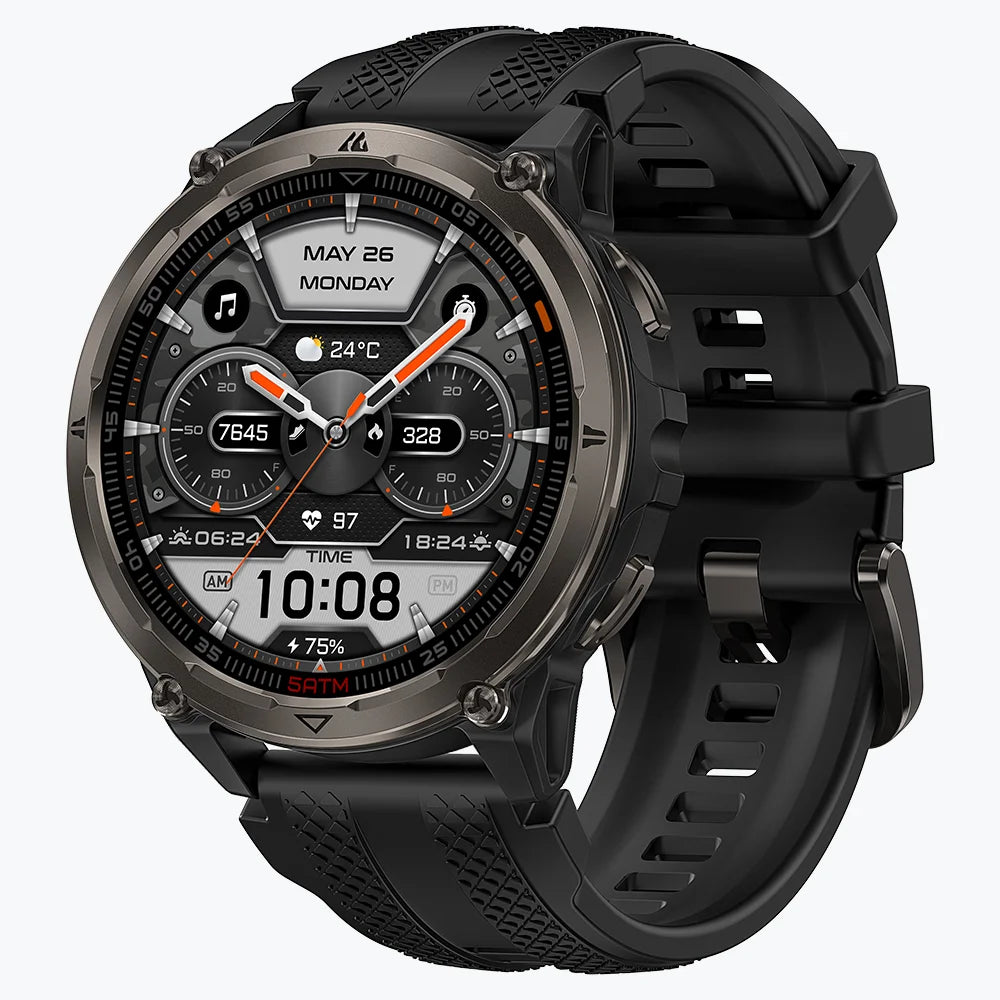
KOSPET ORB 2 Smartwatch
89,99 €EUR
How ORB 2 Fits Into the Check
Use the watch and app for the information they can provide:
- Sleep records: review the overnight report alongside your bedtime and waking notes.
- Activity reports: check what you recorded on unusually active days, then add how demanding the day felt.
- Records across the week: compare reports in Apexmove while keeping your personal notes in a notebook or separate app.
ORB 2’s role is to make those records easier to collect and revisit. Caffeine intake, stress and subjective alertness are details you add yourself.
How to Review Your Notes After a Week
Look for repeated associations rather than judging the week by its highest score. Compare mornings when you felt reasonably alert with those when you struggled.
| Repeated observation | Useful next step |
|---|---|
| Tired mornings follow late finishes and early alarms | Protect more time for sleep |
| Difficult mornings accompany large changes in waking time | Work toward a steadier schedule where practical |
| Late caffeine appears before unsettled nights | Move your final caffeinated drink earlier and continue observing |
| No clear pattern emerges, or sleepiness persists | Discuss the problem with a healthcare professional |
One occurrence is a clue, not proof. Continue an adjustment long enough to understand whether it is manageable and whether daily functioning improves. Avoid changing several habits at once.
For schedule-related problems, NHLBI’s healthy sleep guidance recommends allowing enough time for sleep and keeping similar schedules on weekdays and weekends.
Why Caffeine Timing Deserves Attention
Being able to fall asleep after coffee does not establish that it leaves your sleep unaffected. A small 2013 trial involving 12 healthy sleepers found that 400 mg of caffeine taken six hours before bedtime reduced objectively measured sleep by more than an hour compared with placebo. The substantial dose and small sample limit how precisely that result applies to an individual. See the American Academy of Sleep Medicine’s study summary.
Lead author Christopher Drake, PhD, explained:
“People tend to be less likely to detect the disruptive effects of caffeine on sleep when taken in the afternoon.”
That observation gives you a concrete reason to record your last caffeinated drink, even when you do not remember difficulty falling asleep.
When Tiredness Needs a Healthcare Assessment
Arrange an assessment when sleepiness persists, affects daily life or occurs with loud snoring, gasping or witnessed breathing pauses. These symptoms can require investigation beyond a consumer sleep report.
The NHLBI’s sleep apnea guidance identifies these among possible symptoms and advises discussing them with a healthcare professional. Their presence warrants assessment rather than self-diagnosis.
Bring your sleep reports and notes. Explain when the problem began, whether you are likely to fall asleep or mainly feel drained, and how it affects your activities. Include recent health or medication changes. Do not drive while sleepy.
Sleep Scores and Sleep Tracking: FAQs
Why Does My Tracker Show Sleep When I Remember Being Awake?
Quiet wakefulness can be difficult for a tracker to distinguish from sleep. In a laboratory study published in Sleep in 2021, seven consumer devices were tested in 34 healthy young adults. They correctly identified only 18–54% of the periods scored as awake by the reference sleep test.
Those were specific older models, not ORB 2, so the figures illustrate a measurement challenge rather than its accuracy. Read the original sleep-tracker validation study. Add remembered awake periods to your notes instead of dismissing your experience.
Can I Compare My Sleep Score With Someone Else’s?
Use your own records as the main reference. Different systems calculate scores differently, and matching another person’s number does not establish that you have identical sleep needs. Keep the same device when reviewing changes and include how you function during the day. The American Academy of Sleep Medicine’s technology review discusses differences in sleep terminology and measurements across systems.
Should I Stop Exercising During My Observation Week?
Keep your usual, manageable activity unless you have been advised otherwise. Note unusually demanding sessions and their timing. Introducing a new training programme during the same week adds another change to interpret. The review becomes more useful when you follow one clear question at a time.


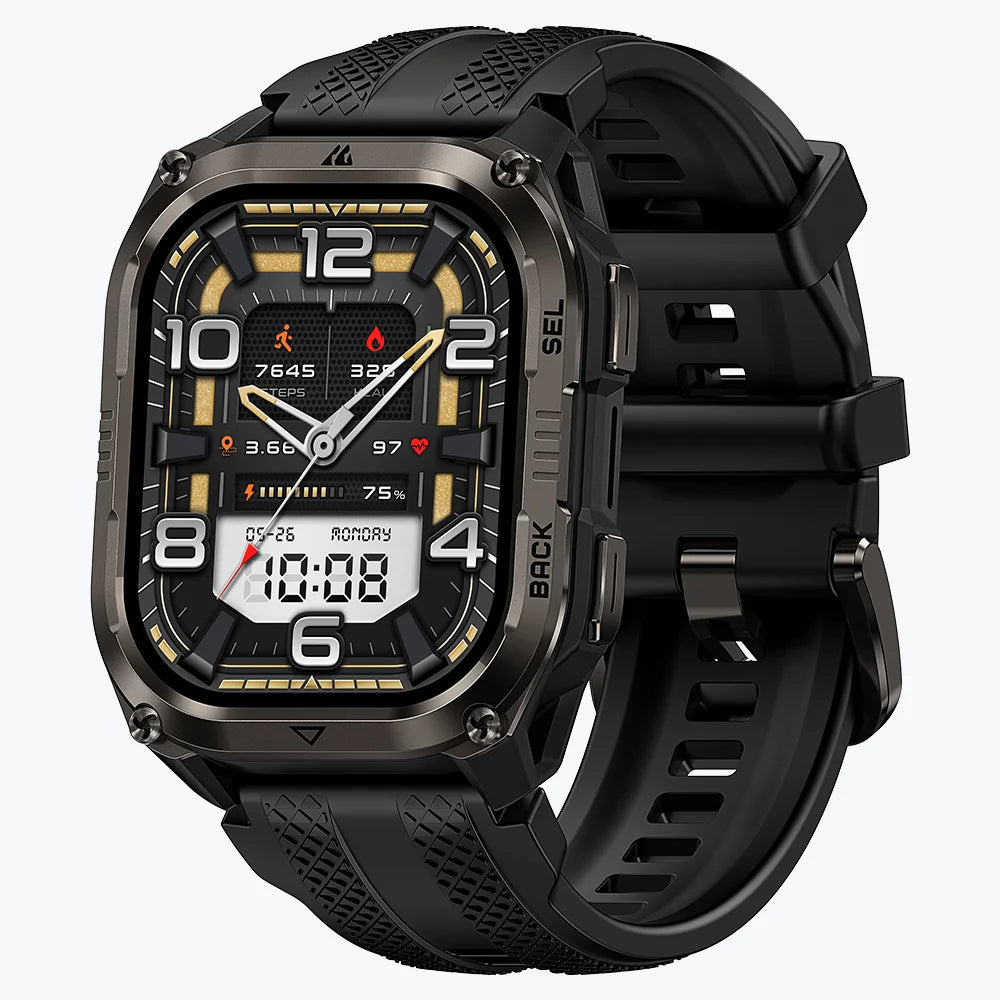
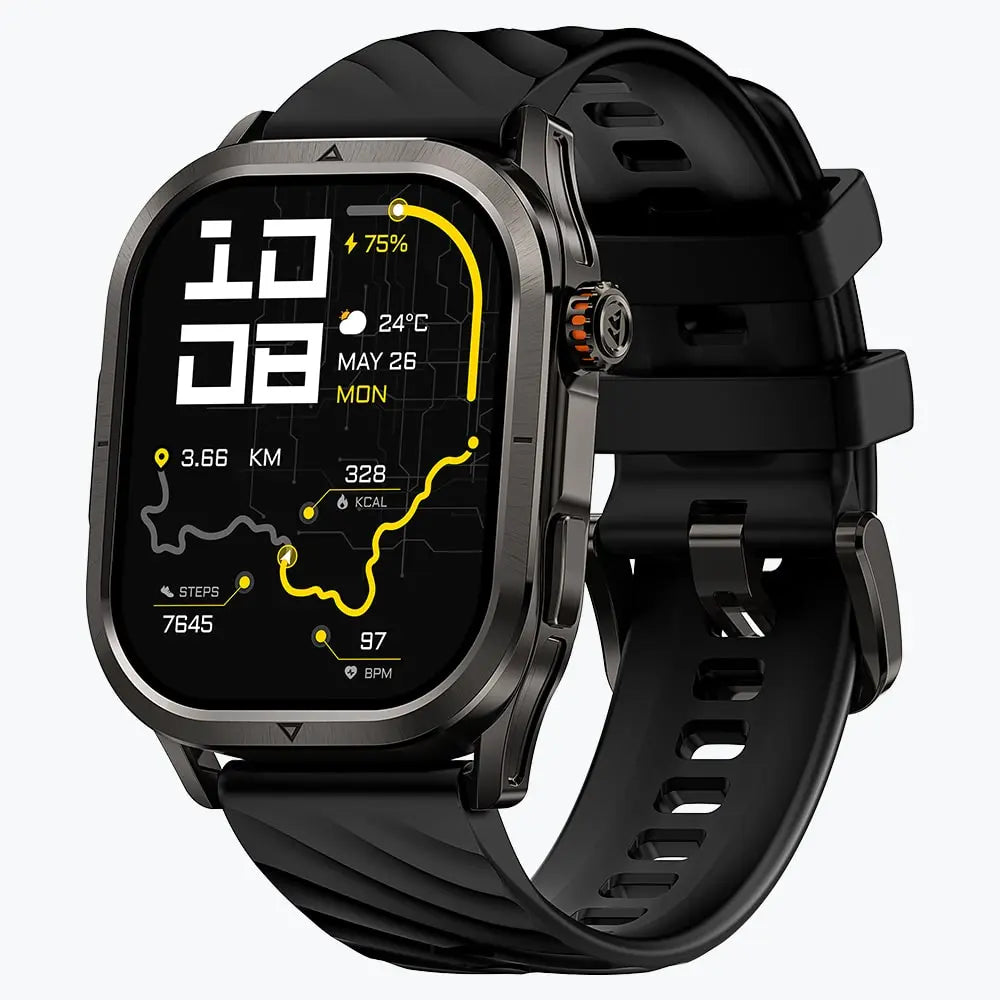





Deja un comentario
Este sitio está protegido por hCaptcha y se aplican la Política de privacidad de hCaptcha y los Términos del servicio.