



Molte persone iniziano a cercare un dispositivo GPS e si confondono rapidamente. Uno smartwatch GPS e uno smartwatch tracker GPS sembrano fare la stessa cosa. Entrambi usano i satelliti, entrambi mostrano la posizione ed entrambi si indossano al polso.
Ma quando vedi come si comporta davvero ciascun dispositivo nella vita reale, la differenza diventa evidente. Sono progettati per problemi molto diversi e scegliere quello sbagliato porta spesso a frustrazione.
Questa guida spiega la vera differenza in modo semplice e pratico, così puoi fare la scelta giusta senza ripensarci.
Cosa vogliono davvero capire gli utenti prima di sceglierne uno
La maggior parte delle persone non vuole un lungo elenco di funzioni tecniche. Vuole risposte alle domande di ogni giorno. Vuole sapere se il dispositivo funzionerà durante una corsa, se può aiutare a tracciare il percorso di un bambino verso casa o se invierà aggiornamenti di posizione abbastanza rapidi durante un’emergenza.
Vogliono anche evitare di spendere soldi per un dispositivo che non può risolvere il problema reale. Questo articolo si concentra su queste domande concrete, non su specifiche che nella vita quotidiana contano raramente.


Cosa fa davvero uno smartwatch GPS nella vita
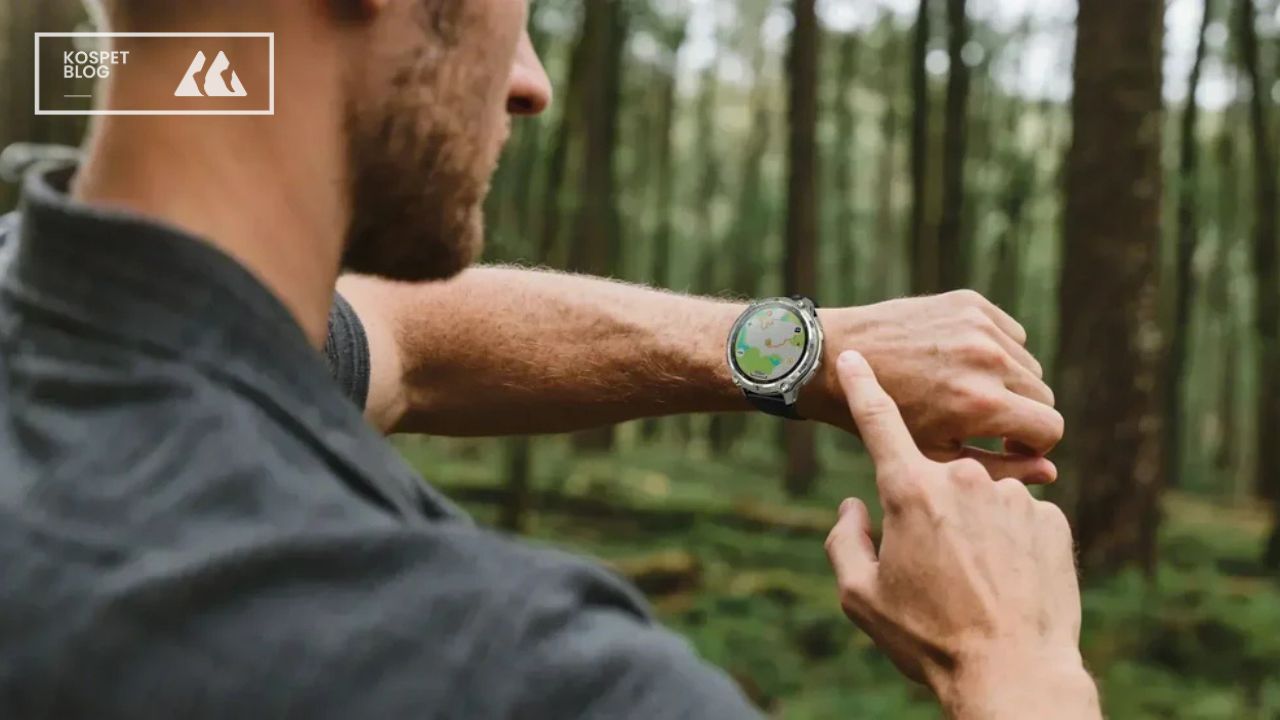
Uno smartwatch GPS è pensato per chi tiene alle proprie prestazioni durante le attività. Il suo compito principale è registrare il movimento e mostrarti cosa è successo dopo aver finito. Queste informazioni ti aiutano a capire come il tuo corpo risponde allo sforzo.
Immagina di correre lungo un lago. Lo smartwatch segue il tuo percorso e registra le variazioni di ritmo. Finisci la corsa, apri il telefono e vedi esattamente dove hai rallentato o spinto di più. Impari qualcosa sulle tue abitudini che da solo non avresti potuto vedere.
Un buon smartwatch GPS si concentra su tre aspetti che aiutano gli utenti attivi:
- Registra il tuo percorso con una precisione sufficiente per rivederlo in seguito
- Misura velocità, distanza e dislivello
- Ti aiuta a capire i tuoi progressi nel tempo
Uno smartwatch GPS non è fatto per il tracciamento in tempo reale o il monitoraggio della sicurezza. È uno strumento personale per capire la propria attività.
leggi anche: Come scegliere lo smartwatch GPS giusto per l’escursionismo
Cosa fa uno smartwatch tracker GPS nelle situazioni quotidiane di sicurezza
Uno smartwatch tracker GPS segue una logica completamente diversa. Invece di salvare i dati per dopo, condivide la tua posizione con qualcun altro mentre ti muovi. È pensato per chi ha bisogno di supporto, supervisione o protezione.
Immagina un bambino che esce da scuola. Un genitore al lavoro apre un’app e vede la posizione del bambino aggiornarsi ogni pochi istanti.
Se il bambino segue un percorso familiare, il genitore si sente tranquillo. Se il bambino svolta improvvisamente in una strada che non fa parte del percorso abituale, l’app lo mostra subito. L’informazione riduce l’ansia perché è in tempo reale.
Uno smartwatch tracker di solito si concentra su queste funzioni:
- Invia aggiornamenti di posizione in tempo reale
- Permette ai familiari di controllare chi lo indossa in qualsiasi momento
- Può avvisare qualcuno quando chi lo indossa lascia un’area sicura
- Spesso include un modo semplice per chiedere aiuto
Lo scopo è la consapevolezza, non il tracciamento sportivo. Le famiglie vi fanno affidamento perché le informazioni sono immediate.
Smartwatch GPS vs smartwatch tracker GPS: differenze pratiche e perché contano
Capire le differenze diventa più facile quando ti concentri sulle domande a cui ciascun dispositivo cerca di rispondere. Uno smartwatch GPS risponde a “Come mi sono mosso?” Uno smartwatch tracker GPS risponde a “Dove si trova la persona adesso?” Questa differenza porta a risultati molto diversi nelle situazioni reali.
Come vengono usati i dati di posizione
Uno smartwatch GPS salva il tuo percorso fino alla sincronizzazione. È utile durante gli allenamenti quando vuoi registrazioni costanti senza interruzioni. Uno smartwatch tracker GPS invia la tua posizione nel momento in cui ti muovi. Un’altra persona riceve quell’informazione così può agire di conseguenza. La tecnologia GPS è la stessa, ma lo scopo è completamente diverso.
Lo scopo di ciascuno smartwatch
Uno smartwatch GPS serve a ottenere informazioni personali. Mostra quanta strada hai fatto, come è cambiato il tuo ritmo e come le tue prestazioni crescono nel tempo.
Uno smartwatch tracker serve a rimanere aggiornati sul movimento di un’altra persona. Consente a un genitore o a chi si prende cura di qualcuno di capire dove si trova chi lo indossa nel momento in cui controlla l’app. Questo scopo guida ogni scelta di progettazione.
Chi ha bisogno delle informazioni
Uno smartwatch GPS avvantaggia solo chi lo indossa. È pensato per chi vuole imparare dalla propria attività. Uno smartwatch tracker avvantaggia qualcun altro. È pensato per chi è responsabile della sicurezza di chi lo indossa. Se guardi a chi dipende dai dati, il divario tra questi dispositivi diventa molto chiaro.
Autonomia in condizioni reali
Uno smartwatch GPS può durare molti giorni perché usa il tracciamento intensivo solo durante gli allenamenti. Nel resto della giornata lo smartwatch resta inattivo. Uno smartwatch tracker deve aggiornare la posizione durante tutta la giornata.
Un bambino che si muove a scuola o gioca in un parco genera movimento continuo. Ogni spostamento richiede un aggiornamento e gli aggiornamenti consumano energia. Ecco perché gli smartwatch tracker di solito hanno un’autonomia più breve. Fanno più lavoro.
leggi anche: I 5 migliori smartwatch in stile militare con la maggiore autonomia
Come la connettività influenza l’esperienza
Uno smartwatch GPS funziona ovunque possa vedere il cielo. Non si affida alle torri cellulari. Uno smartwatch tracker dipende dalle reti mobili per inviare gli aggiornamenti.
In un grande centro commerciale al chiuso, in un parcheggio sotterraneo o in una zona rurale, il segnale può cadere. Quando succede, l’app può mostrare l’ultima posizione nota finché lo smartwatch non si riconnette. Non è un guasto. È semplicemente il comportamento di qualsiasi dispositivo connesso.
Come scegliere quello giusto in base alle situazioni reali
Non servono conoscenze tecniche per scegliere correttamente. Devi solo abbinare il dispositivo al problema che vuoi risolvere.
Scegli uno smartwatch GPS se vuoi:
- Tracciare i tuoi percorsi di corsa, ciclismo o escursionismo
- Migliorare il tuo ritmo o la distanza
- Saperne di più sulle tue prestazioni
- Ottenere una lunga autonomia durante l’uso normale
Scegli uno smartwatch tracker GPS se vuoi:
- Sapere dove si trova un bambino durante la giornata
- Tenere al sicuro un anziano durante le uscite
- Ricevere avvisi quando qualcuno lascia un’area familiare
- Mantenere una consapevolezza costante senza andare a intuito
Una volta collegato il dispositivo alla situazione, la decisione diventa semplice.
Conclusione
Uno smartwatch GPS ti aiuta a capire te stesso. Uno smartwatch tracker GPS aiuta qualcun altro a capire dove ti trovi.
La differenza non sta nella mappa o nei satelliti. Sta nello scopo delle informazioni. Quando scegli in base al compito reale che il dispositivo deve svolgere, ottieni uno smartwatch che si adatta davvero alla tua vita.
FAQ
Qual è la principale differenza tra uno smartwatch GPS e uno smartwatch tracker GPS?
Uno smartwatch GPS registra i dati del tuo allenamento, mentre uno smartwatch tracker GPS condivide la tua posizione in tempo reale con altri per il monitoraggio della sicurezza.
Uno smartwatch tracker GPS può essere usato per il tracciamento fitness?
No, uno smartwatch tracker GPS serve principalmente per la condivisione della posizione in tempo reale e per la sicurezza, non per il tracciamento degli allenamenti o delle prestazioni.
Come si confronta l’autonomia di uno smartwatch GPS con quella di uno smartwatch tracker GPS?
Uno smartwatch GPS dura di più perché usa il GPS solo durante gli allenamenti, mentre uno smartwatch tracker GPS consuma più energia a causa degli aggiornamenti continui della posizione.






Lascia un commento
Questo sito è protetto da hCaptcha e applica le Norme sulla privacy e i Termini di servizio di hCaptcha.