

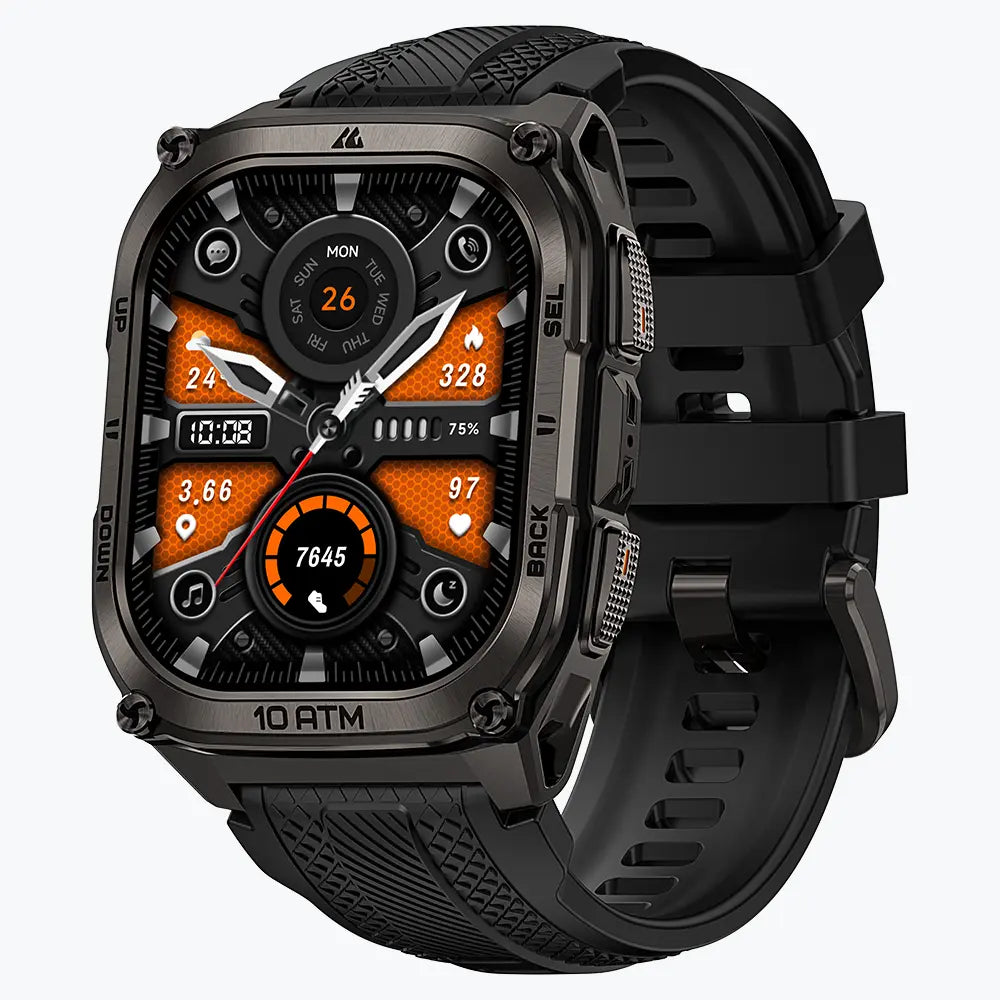
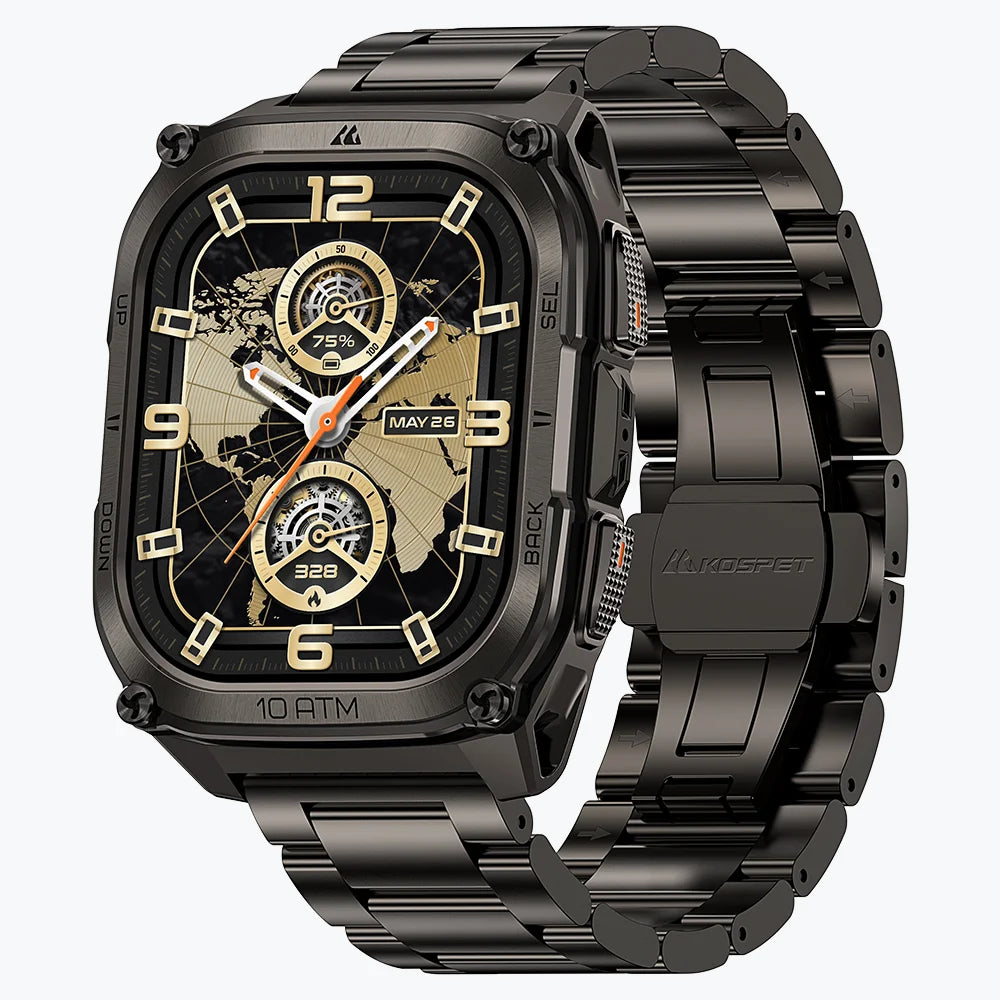
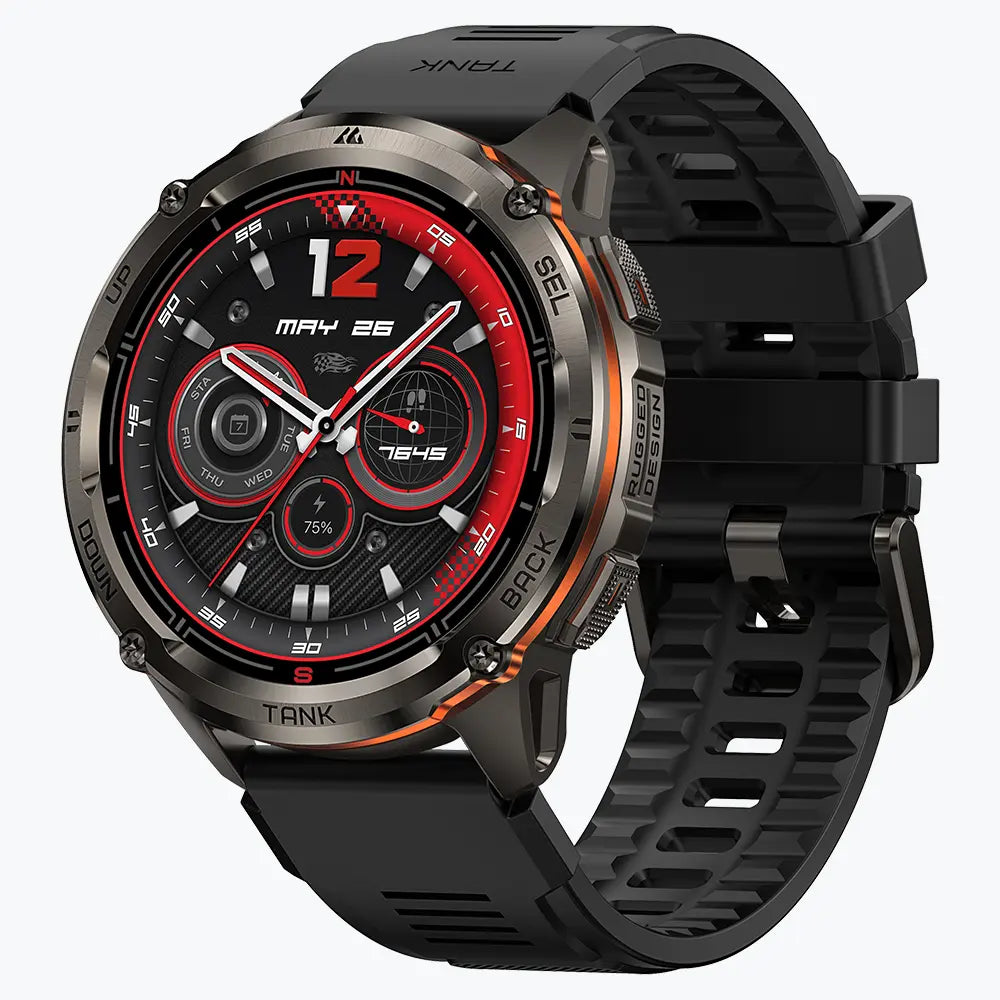
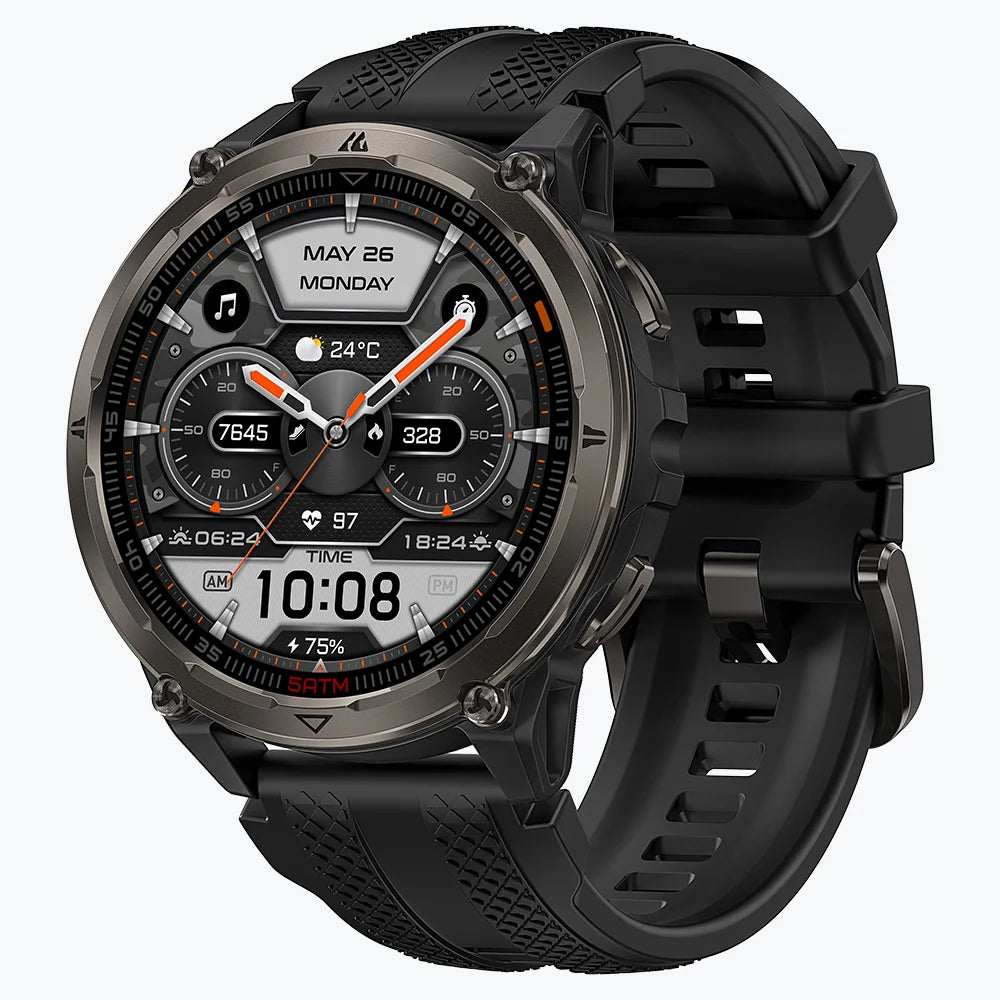
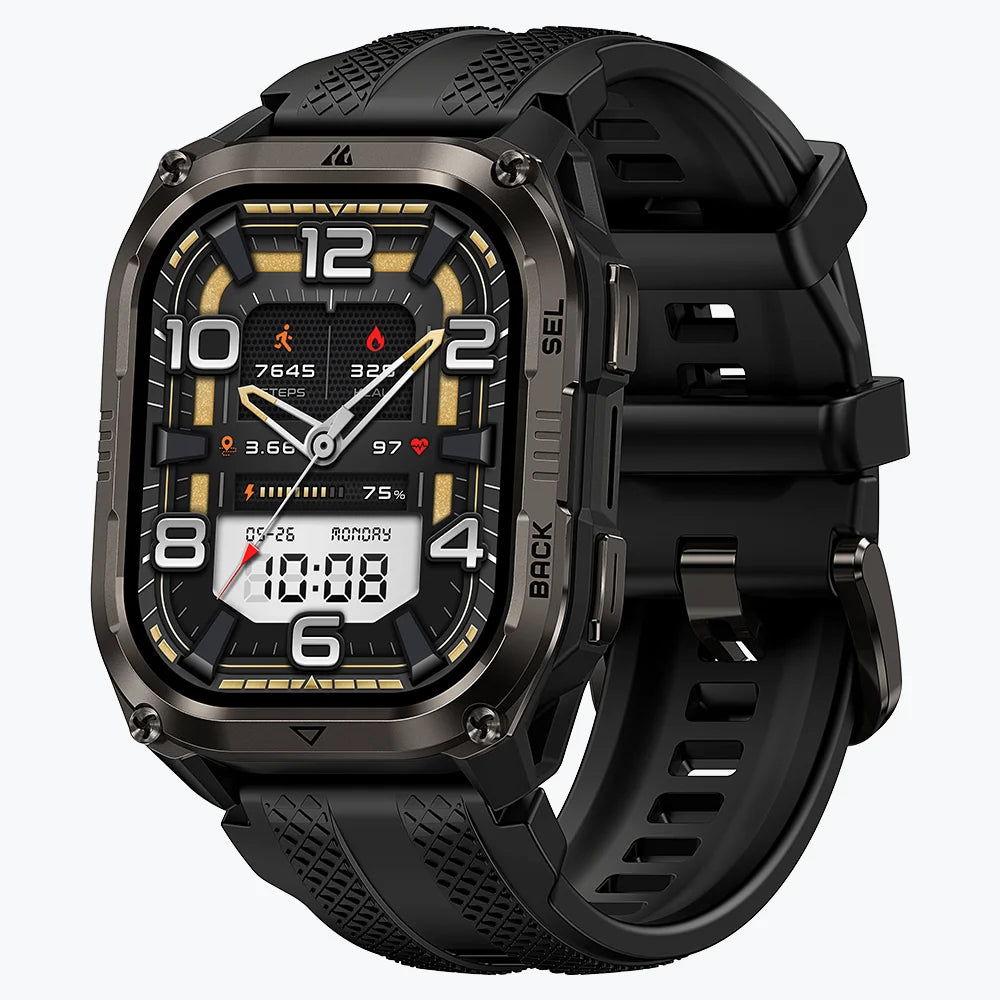
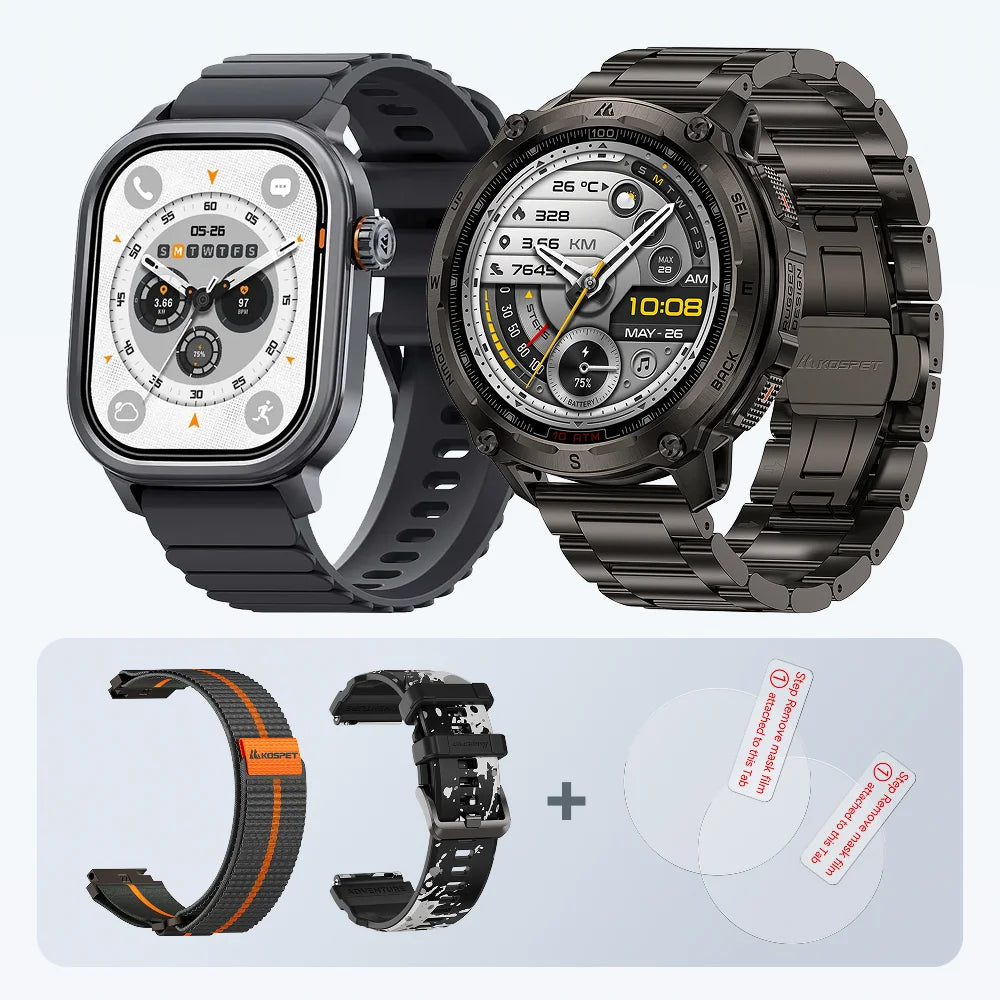
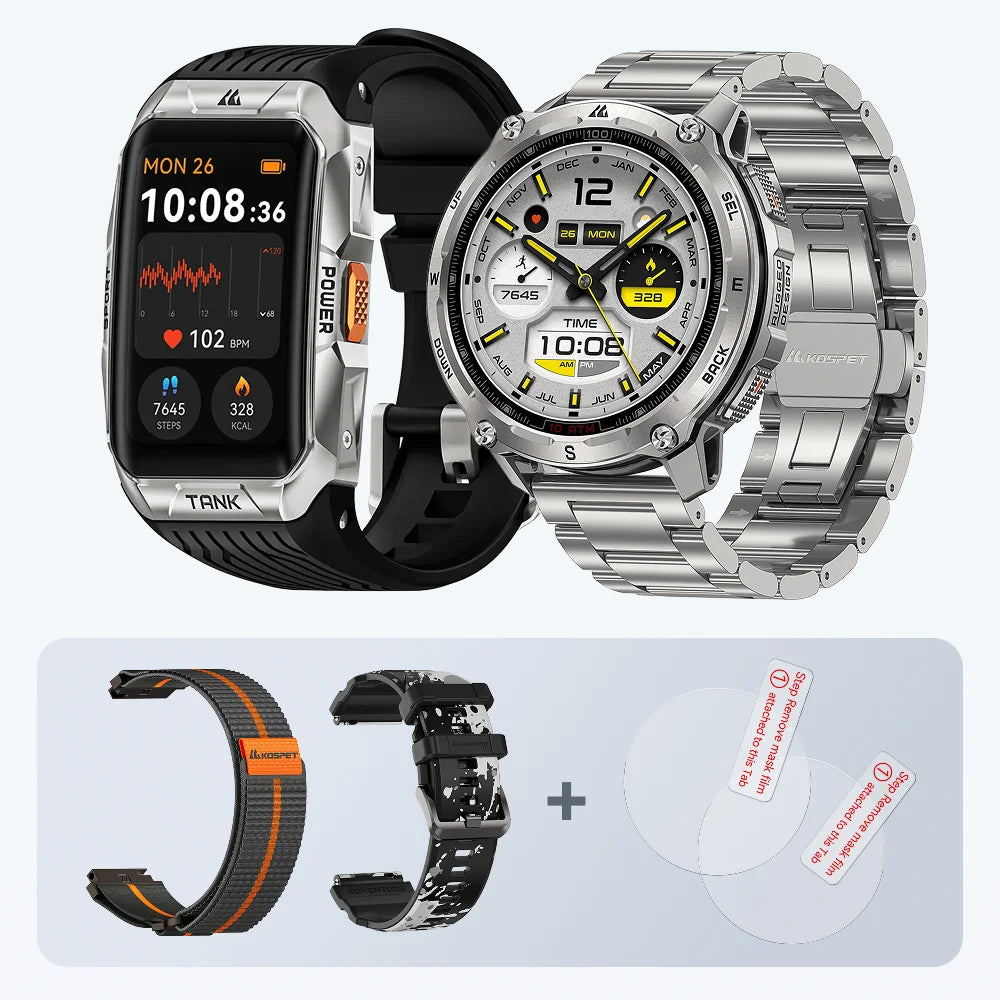
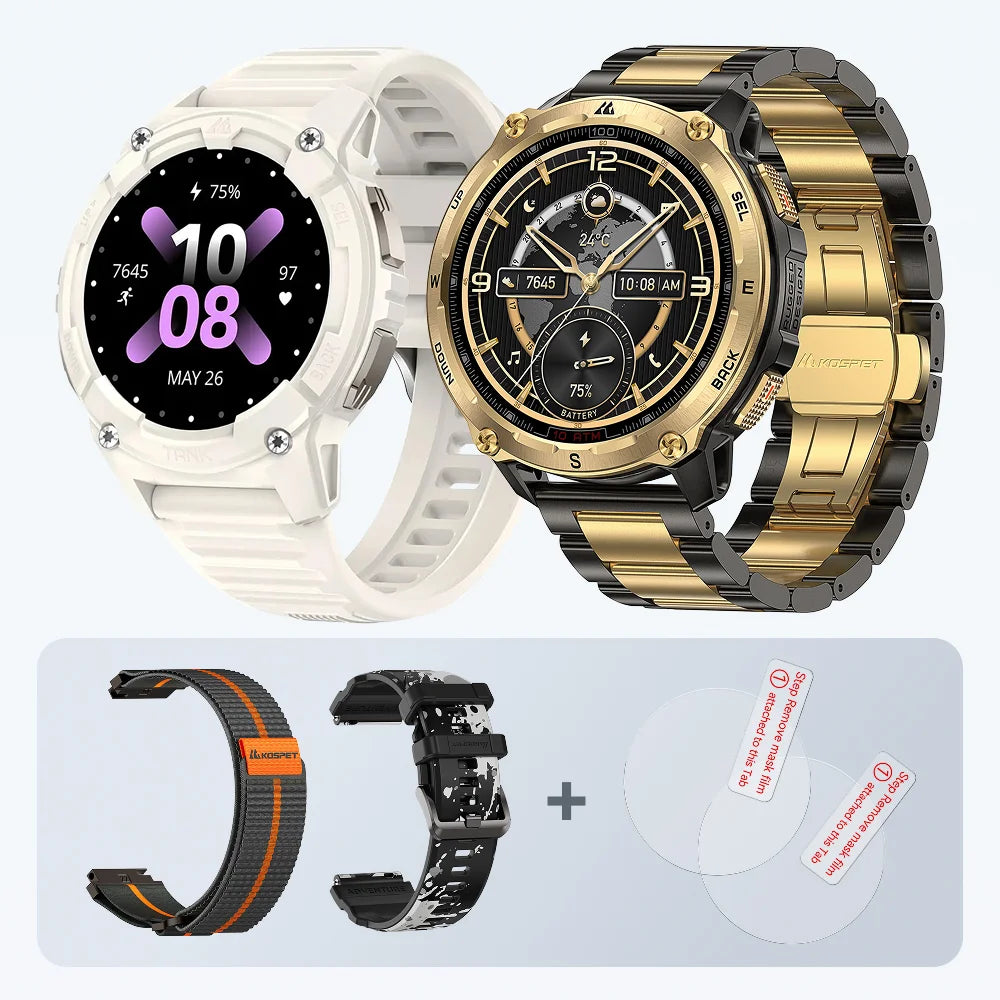
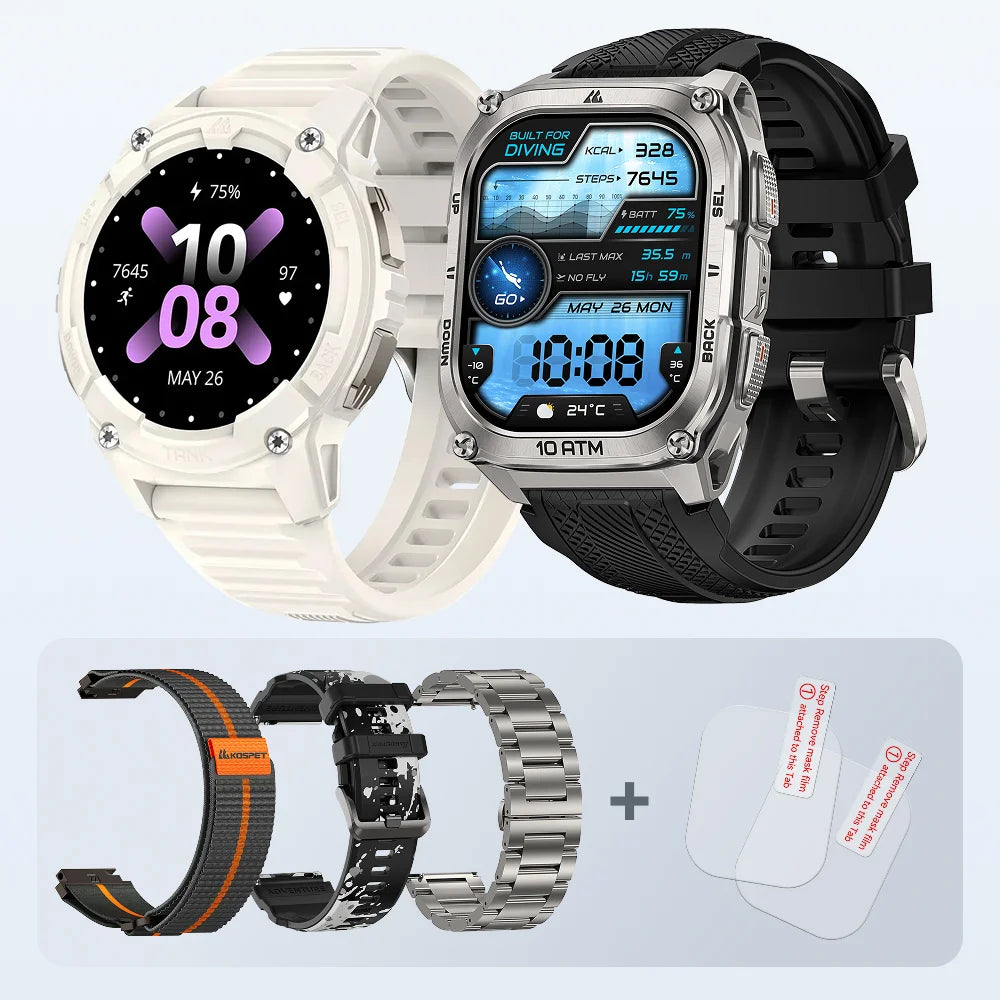
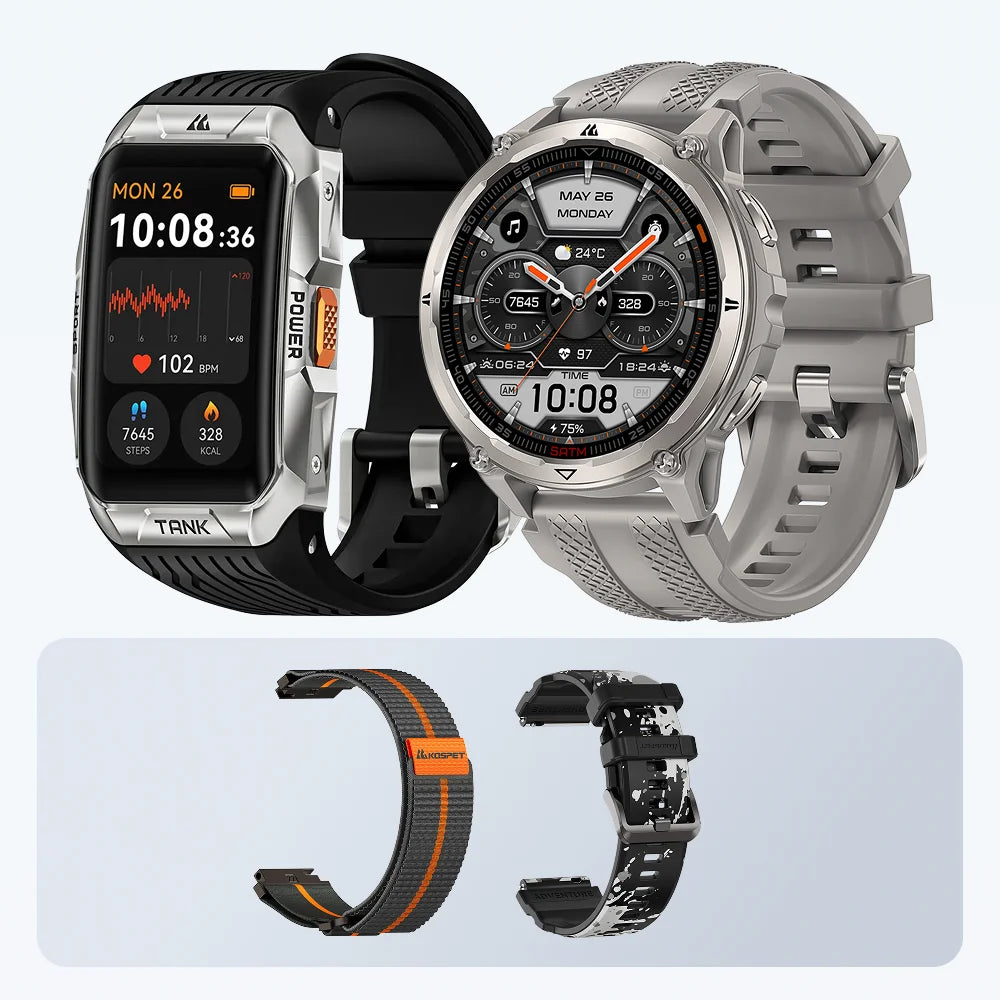
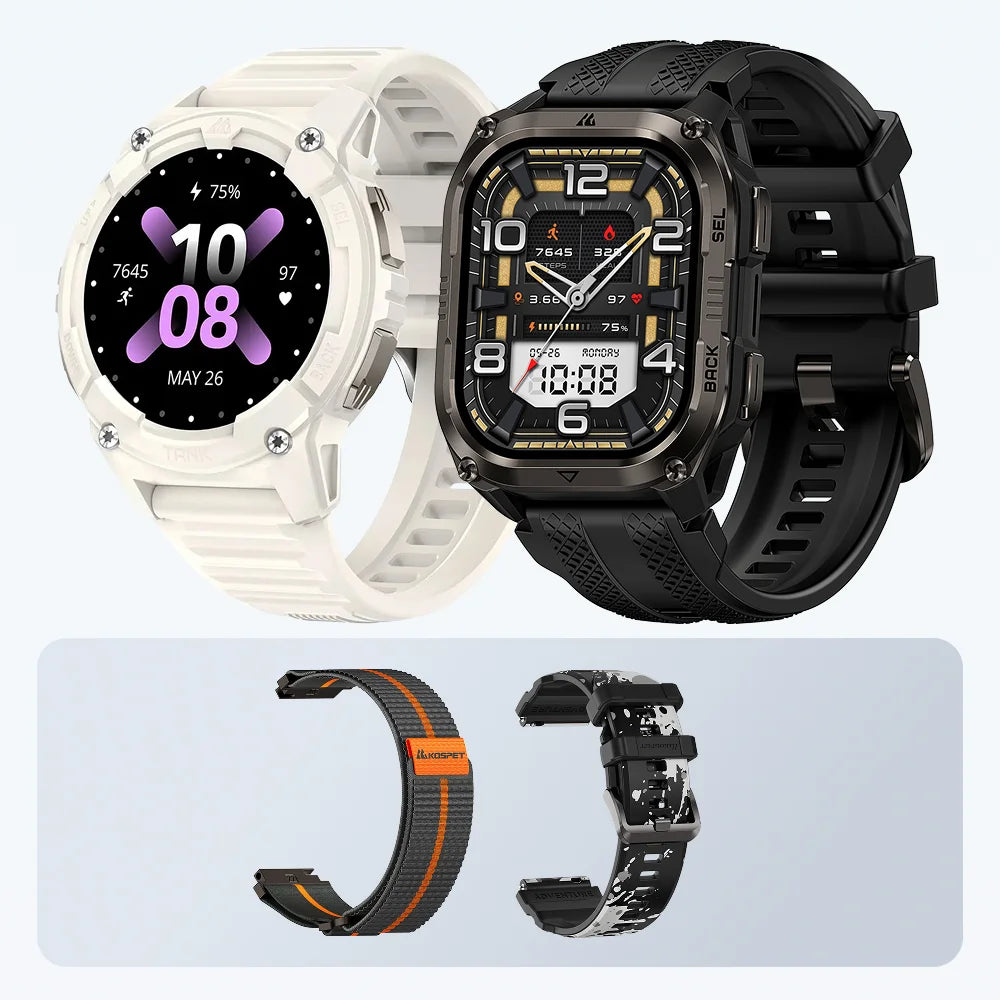
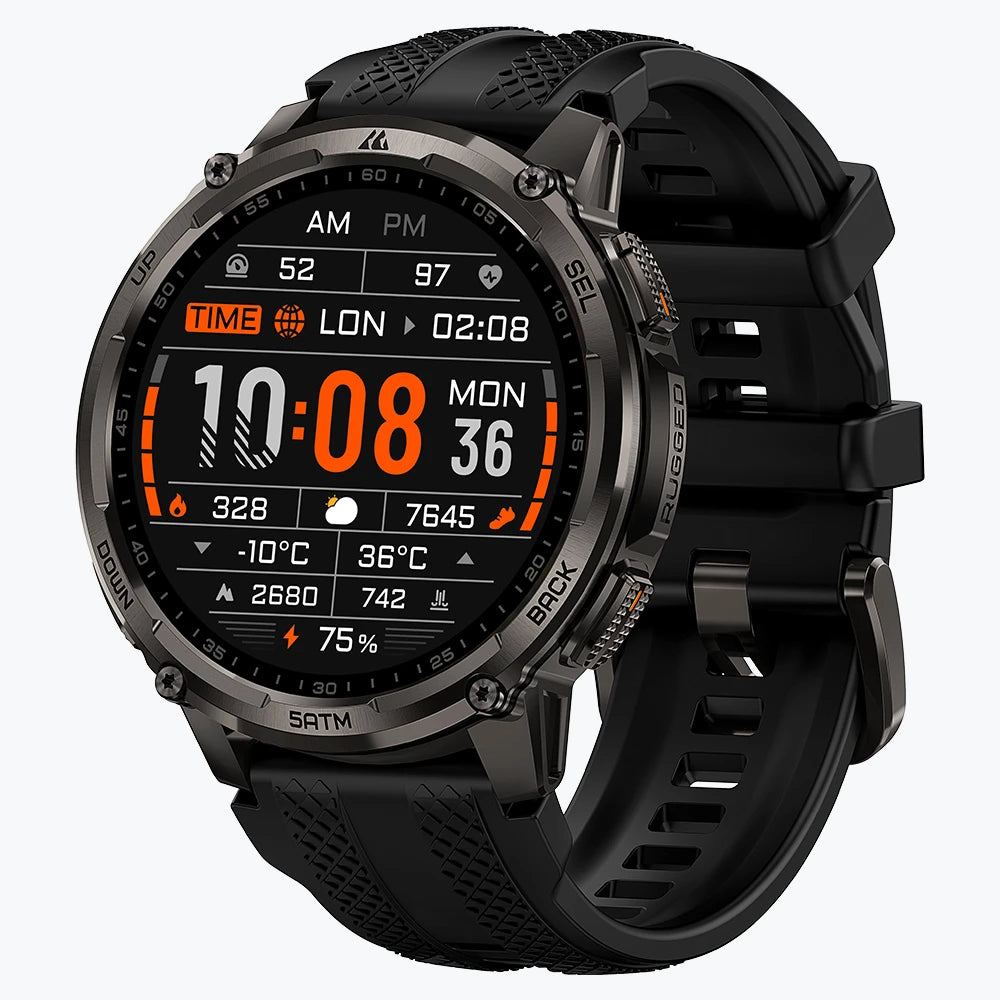
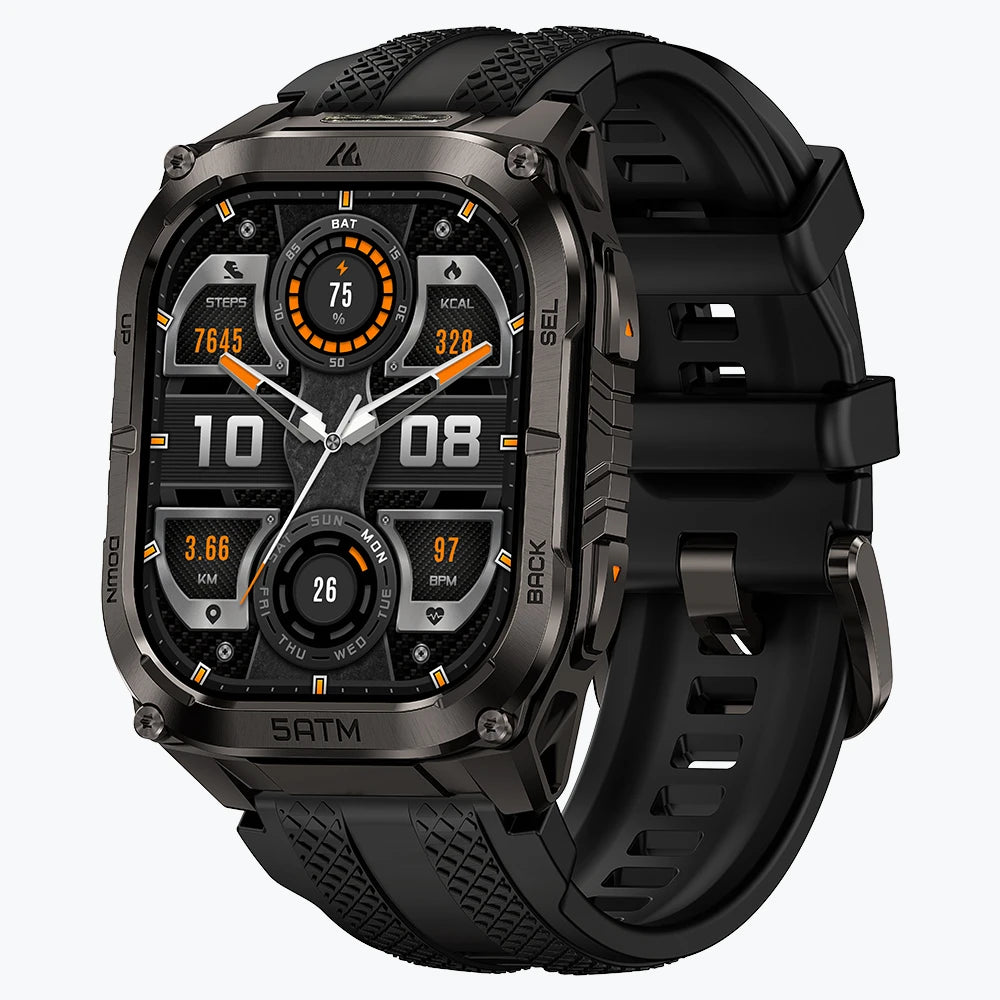
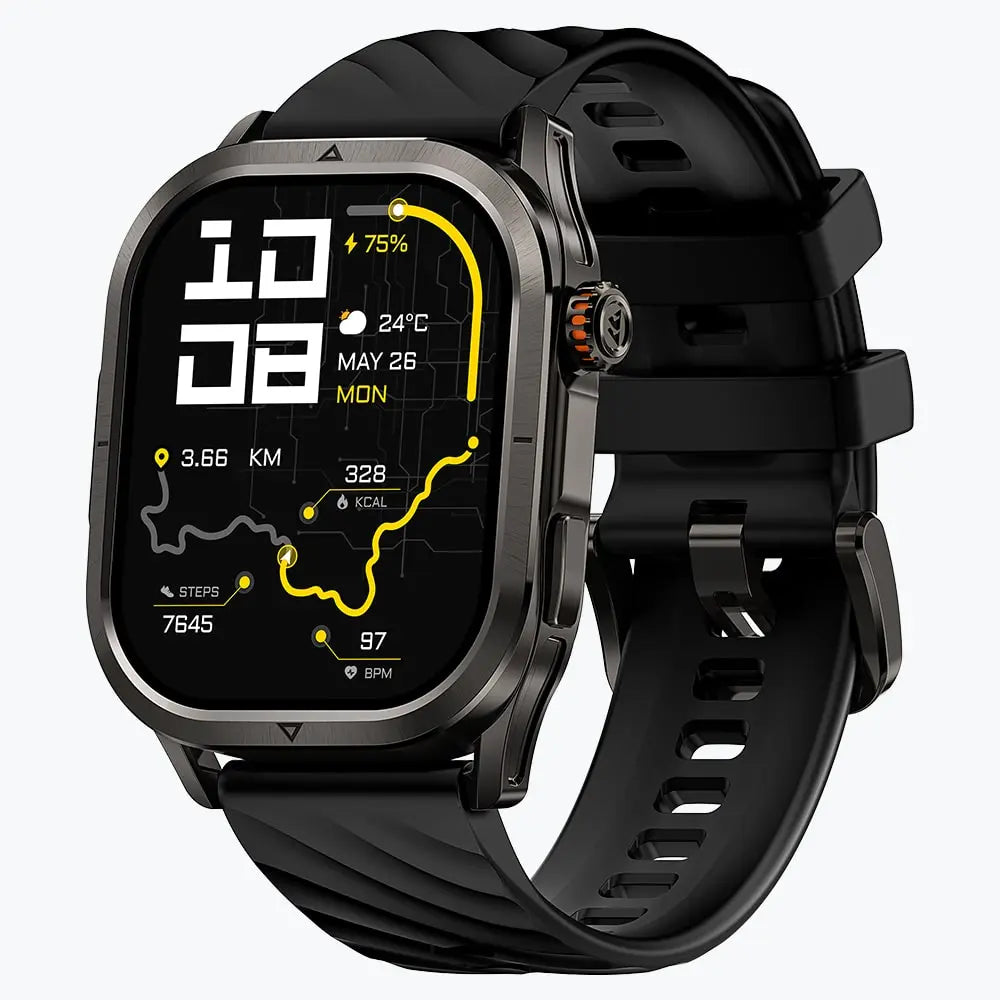


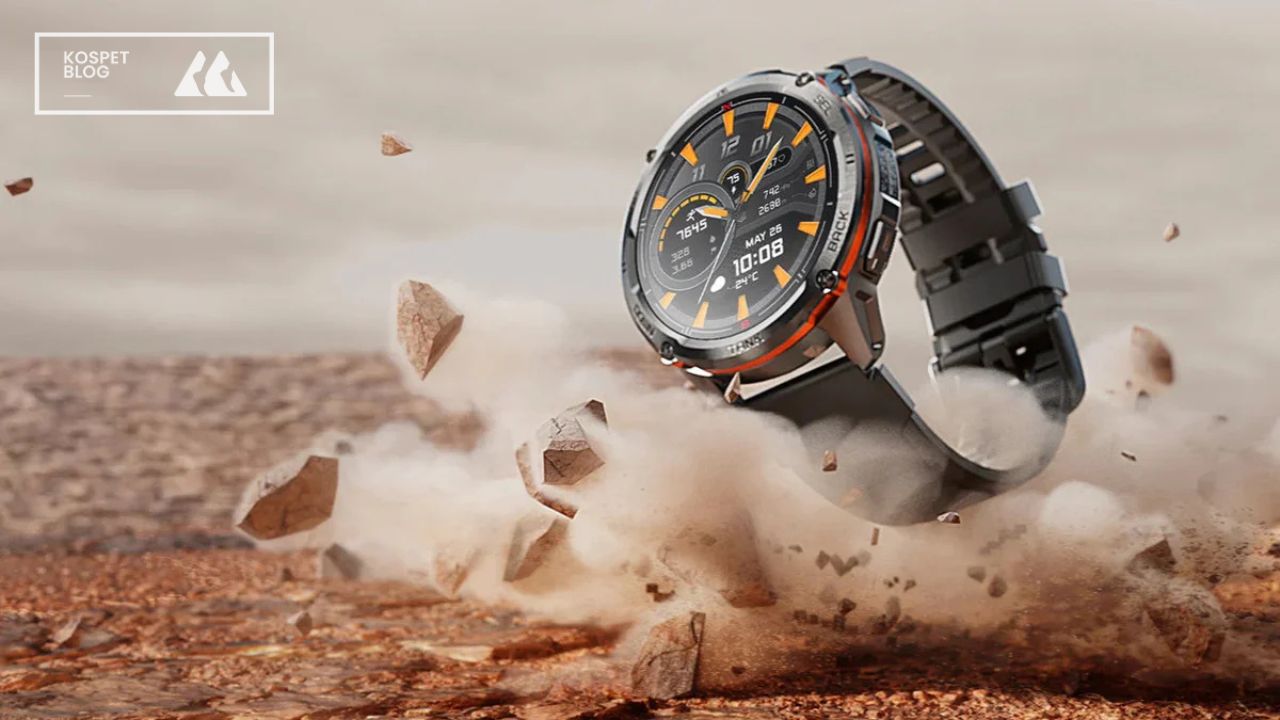
Grade 5 titanium paired with sapphire crystal represents the most reliable material combination for a truly tough smartwatch while stainless steel and Corning Gorilla Glass provide a balanced alternative for heavy impact protection.
This combination ensures the device remains light on the wrist while providing the highest possible defense against deep scratches and high pressure environments.

True Durability Requires a Strategic Balance of Hardness and Toughness
True durability in a tough smartwatch requires a precise scientific balance between the surface hardness of the display and the structural toughness of the metal frame. Hardness determines how well a material resists permanent scratches from abrasive particles like sand or metal.
Toughness measures the amount of energy a material absorbs before it physically breaks during a sudden impact or a fall. Data from material science research shows that there is often a direct conflict between these two properties.
- Surface Hardness: Synthetic sapphire crystal reaches a Vickers hardness of approximately 2,000 units while 316L stainless steel ranks between 150 and 200 units.
- Fracture Toughness: Stainless steel and titanium possess high fracture toughness which allows these metals to dent or bend rather than shattering.
- Impact Resistance: Harder materials like sapphire or ceramic are brittle and have low toughness which means they can crack under the force of a 1.2 meter drop.
- The Durability Goal: A rugged watch must combine a hard exterior for scratch protection with a tough inner structure to survive the MIL-STD-810H shock tests.
Choosing a material that is only hard creates a watch that is prone to shattering during intense sports. Selecting a material that is only tough creates a watch that will quickly become covered in deep surface scratches. Most reliable designs use a hard bezel to shield the screen and a tough metal body to absorb the energy of daily collisions.
Case Materials: Titanium, Stainless Steel, and Fiber-Reinforced Polymers
Titanium and stainless steel are the primary metals used to build the frame of a rugged smartwatch because they offer different levels of density and weight. Grade 5 titanium is an alloy that contains aluminum and vanadium to increase its strength without making it heavy. Scientists use the Vickers hardness test to confirm that this metal is significantly stronger than pure titanium.
| Material | Strength-to-Weight Ratio | Impact Resistance | Best Use Case |
|---|---|---|---|
| Grade 5 Titanium | Excellent | High | Extreme sports and climbing |
| 316L Stainless Steel | Moderate | Very High | Daily wear and diving |
| Fiber Polymer | High | Excellent | Ultra-marathons and high vibration |
316L stainless steel remains a vital material for tough smartwatches because of its incredible density and resistance to crushing forces. This metal is famous for its use in professional diving equipment because it is extremely difficult to dent.
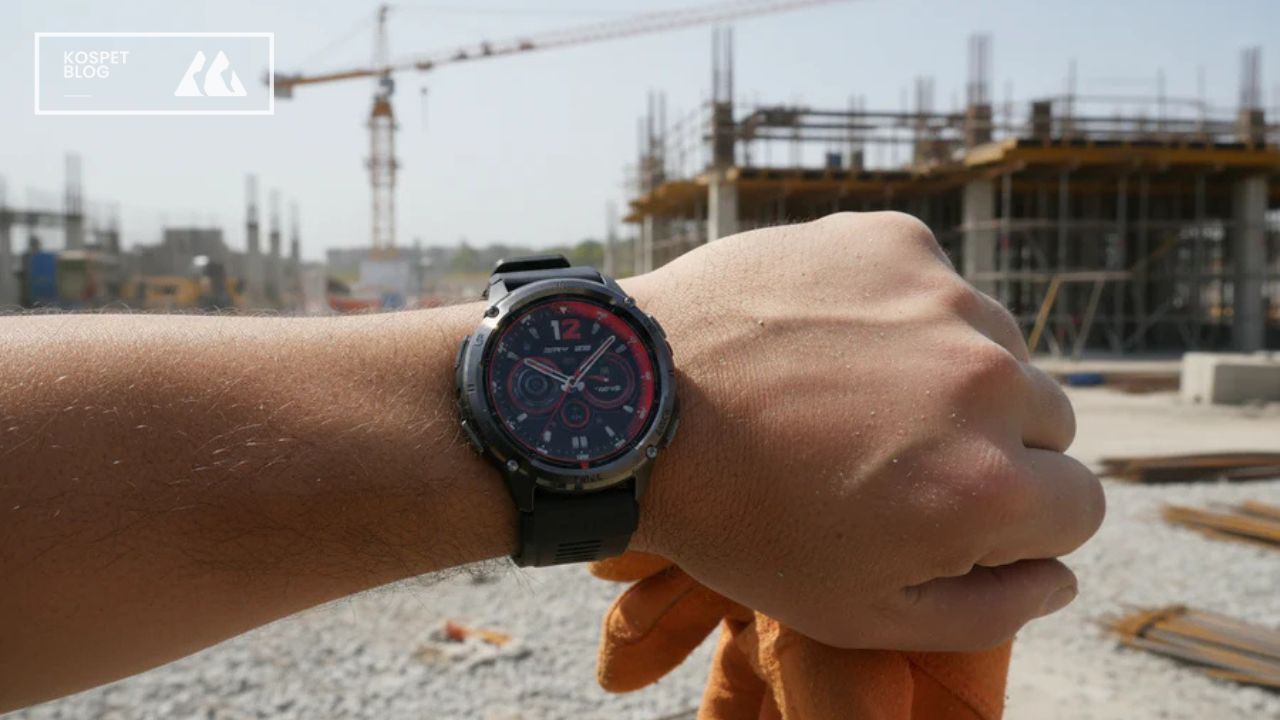
When a watch hits a hard surface, the mass of the steel helps absorb the vibration before it reaches the internal sensors. Fiber reinforced polymers are a third option that use glass fibers to create a lightweight cage that absorbs vibrations better than any metal during mountain biking or construction work.
Comparing Sapphire Crystal and Gorilla Glass for Display Safety
Sapphire crystal and Corning Gorilla Glass are the two most common materials used to protect the screen from daily damage. Manufacturers use synthetic sapphire crystal for premium models because it reaches a 9 on the Mohs scale.
Data from the Gemological Institute of America confirms that only a diamond is significantly harder than sapphire. This makes the screen virtually impossible to scratch during activities like hiking through brush or working in a garage.
Corning Gorilla Glass provides a different type of protection that focuses on surviving high impact drops. This glass goes through a chemical strengthening process to increase its flexibility and surface tension.
Reports from Corning technical research show that this material is often more resistant to shattering than sapphire when the watch hits a hard surface at an angle. Users who participate in high contact sports often choose this glass because it bends slightly under pressure instead of cracking into pieces.
Environmental Resilience and MIL-STD-810H Compliance
High quality materials allow a rugged smartwatch to survive extreme temperature changes and deep water pressure without failure. Many professional devices meet the MIL-STD-810H requirements which is a series of tests created by the military to check for survival in harsh conditions. These tests prove that the materials will not warp or crack when moving from a hot desert to a freezing mountain peak.
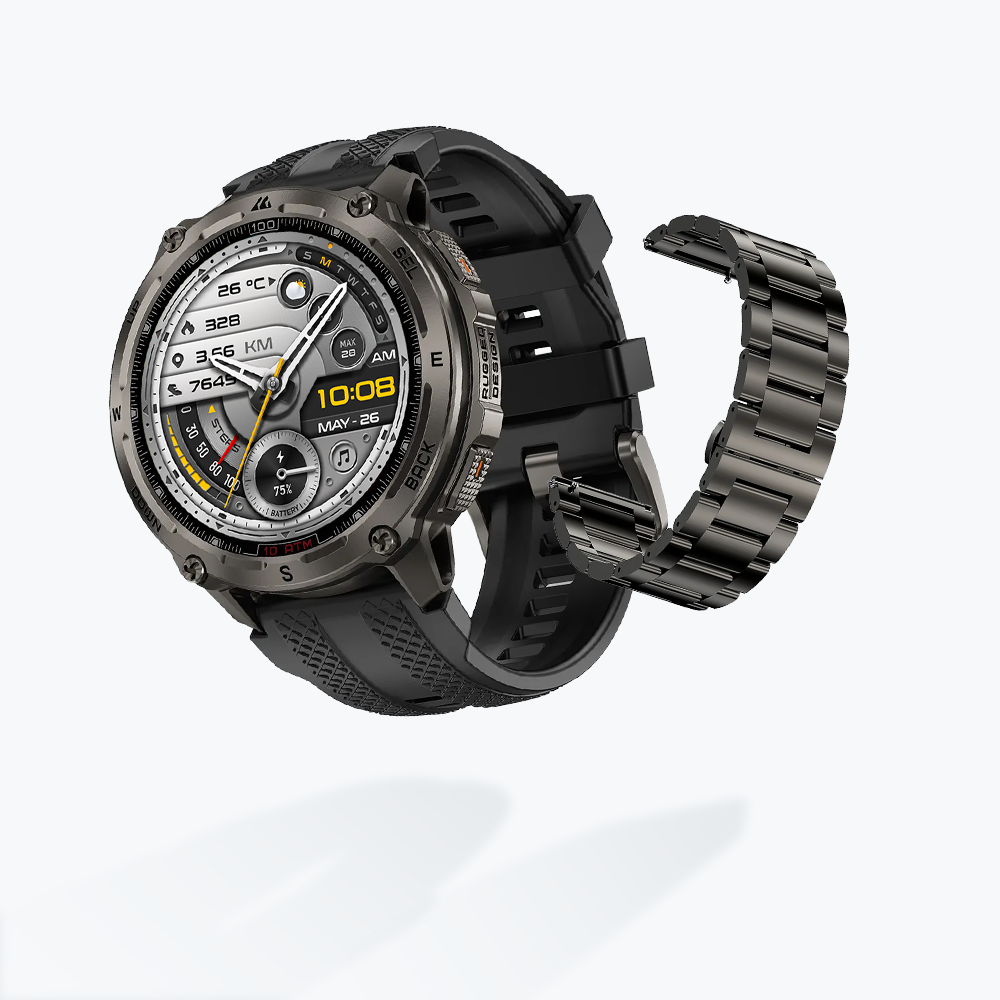
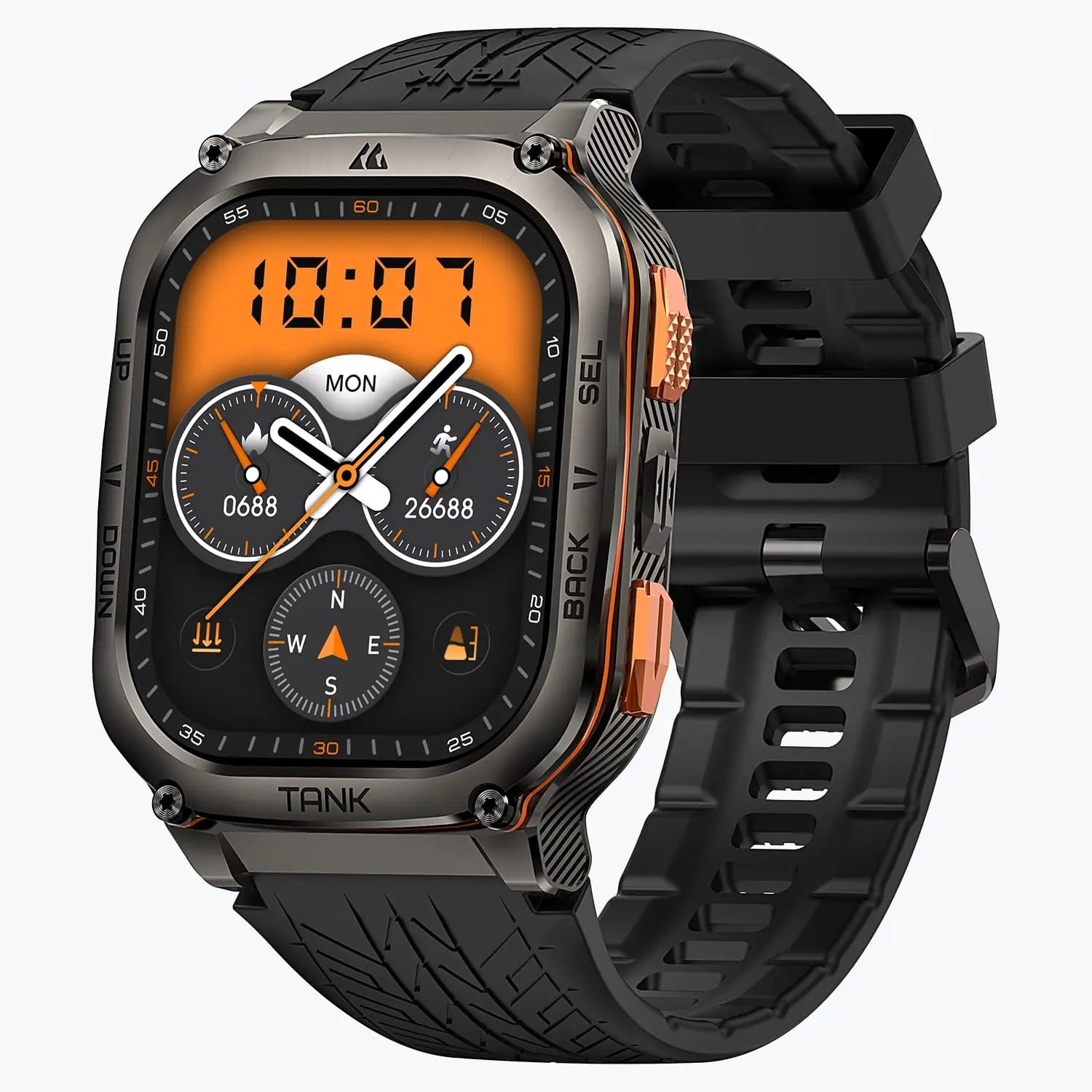
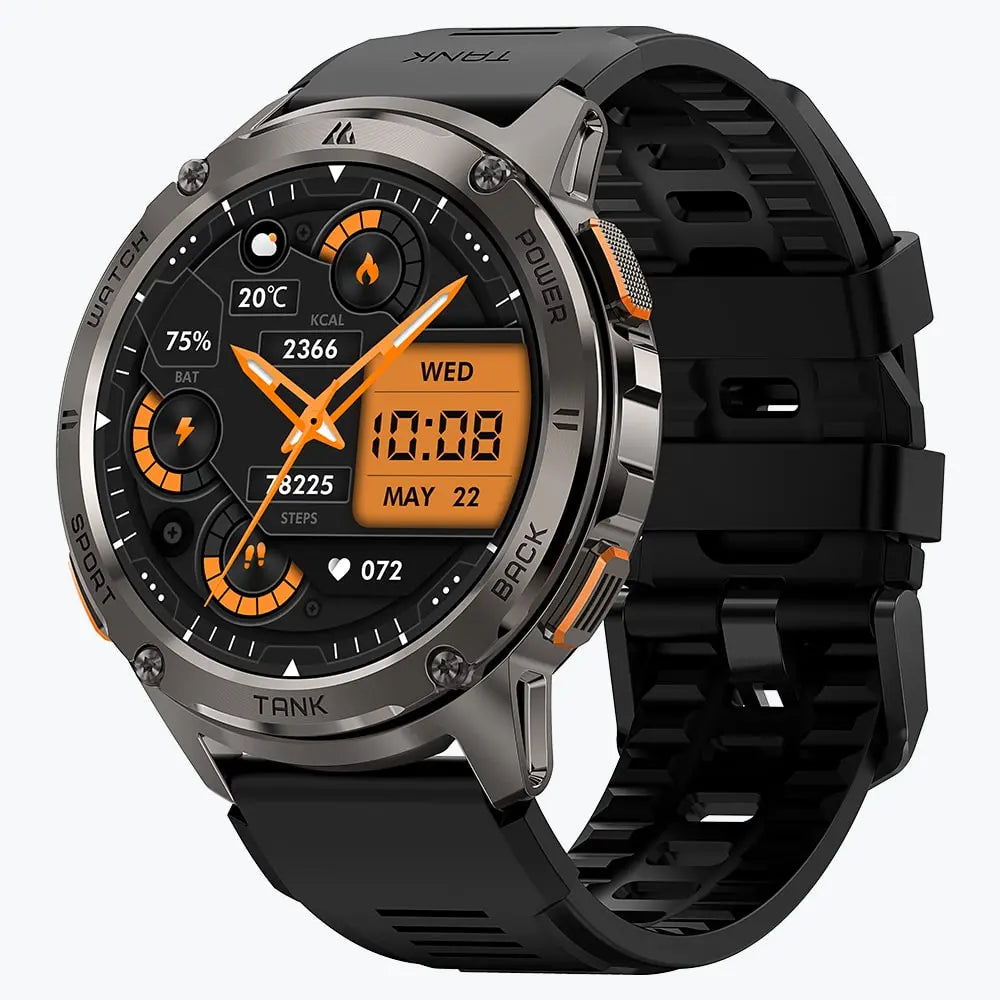
KOSPET TANK T4 Special Edition Smartwatch
219,99 €EUR
- Thermal Stability: Titanium and stainless steel do not expand much when temperatures shift rapidly which keeps the internal parts safe.
- Pressure Resistance: These materials maintain their shape under the weight of water at depths of 100 meters.
- Sealing Integrity: Stable materials keep the waterproof gaskets tight to prevent leaks into the battery compartment.
Using these materials ensures that the internal electronics stay dry and functional regardless of the weather or the depth of a dive. This reliability is vital for anyone who relies on their watch for navigation in the wilderness or underwater.
Chemical Resistance to Saltwater, Sweat, and UV Exposure
Selecting materials that resist corrosion ensures the watch body stays strong after years of exposure to salt water and human sweat. High grade materials like 316L stainless steel and titanium create a natural oxide layer on their surface that acts as a permanent shield against rust. Reports on stainless steel corrosion resistance explain that this chemical stability is vital for anyone who swims in the ocean or trains in humid climates.
- Oxidation Resistance: This shield prevents the metal from pitting or staining when exposed to salty air for a long time.
- UV Stabilization: High grade polymers used in cases and straps do not become brittle when sitting in direct sunlight.
- Sweat Protection: These materials prevent skin acids from eating away at the watch case over time.
This chemical durability ensures the watch maintains its structural strength and professional appearance for several years. It allows the user to wear the watch in the ocean without worrying about the metal weakening or the strap snapping.
Conclusion
The combination of Grade 5 titanium and sapphire crystal provides the ultimate defense for users who prioritize scratch resistance and a lightweight feel. This material set solves the problem of surface scratches while maintaining the strength needed to survive heavy drops.
However, the combination of 316L stainless steel and Corning Gorilla Glass remains a highly reliable and powerful alternative for those who need maximum impact protection. Choosing the right materials depends on whether the user faces the risk of sharp scratches or heavy drops during their daily adventures.
FAQs
Which material is the hardest to scratch on a smartwatch?
Sapphire crystal is the hardest material because it reaches a 9 on the Mohs scale and only a diamond can easily leave a mark on it.
Is titanium better than stainless steel for a tough watch?
Titanium is better for athletes because it is much lighter but stainless steel is better for users who want maximum resistance to dents and crushing.
Does Gorilla Glass break more easily than sapphire?
Gorilla Glass is actually less likely to break during a drop because it is more flexible than sapphire crystal which is very hard but brittle.



Leave a comment
This site is protected by hCaptcha and the hCaptcha Privacy Policy and Terms of Service apply.