

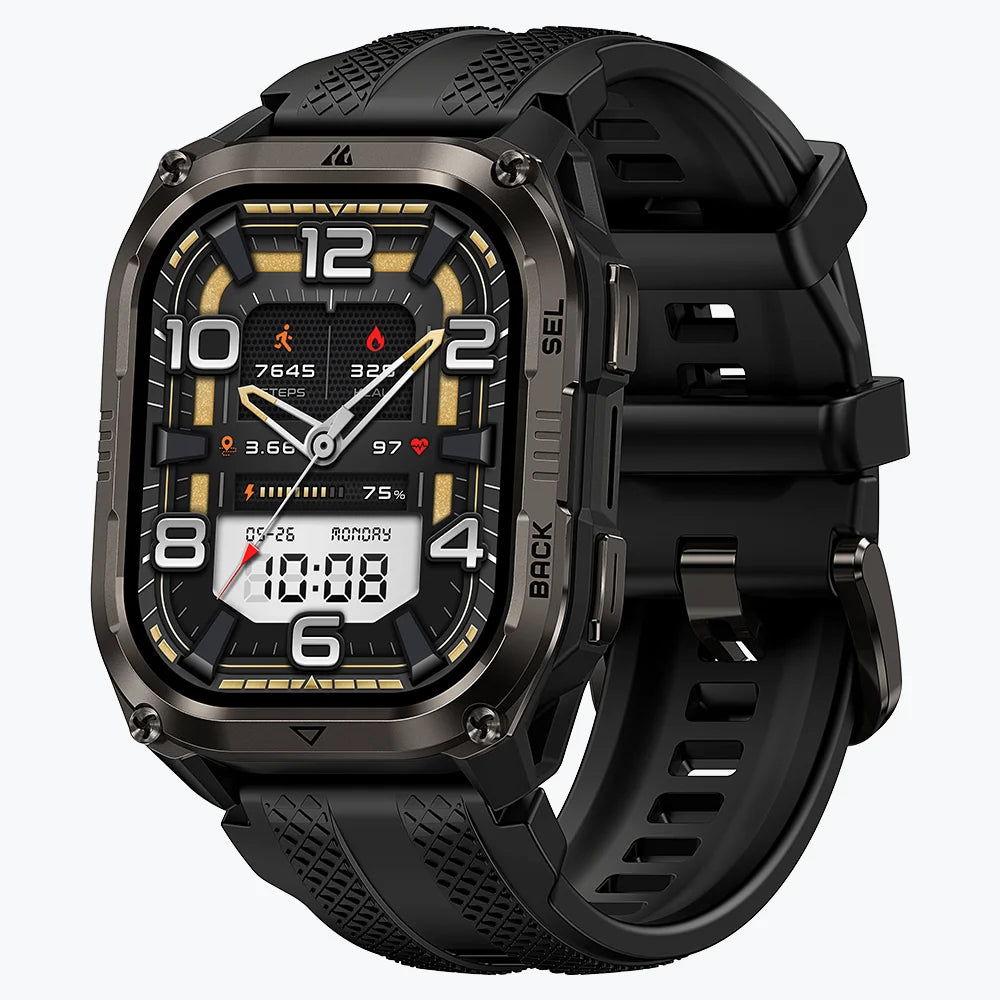
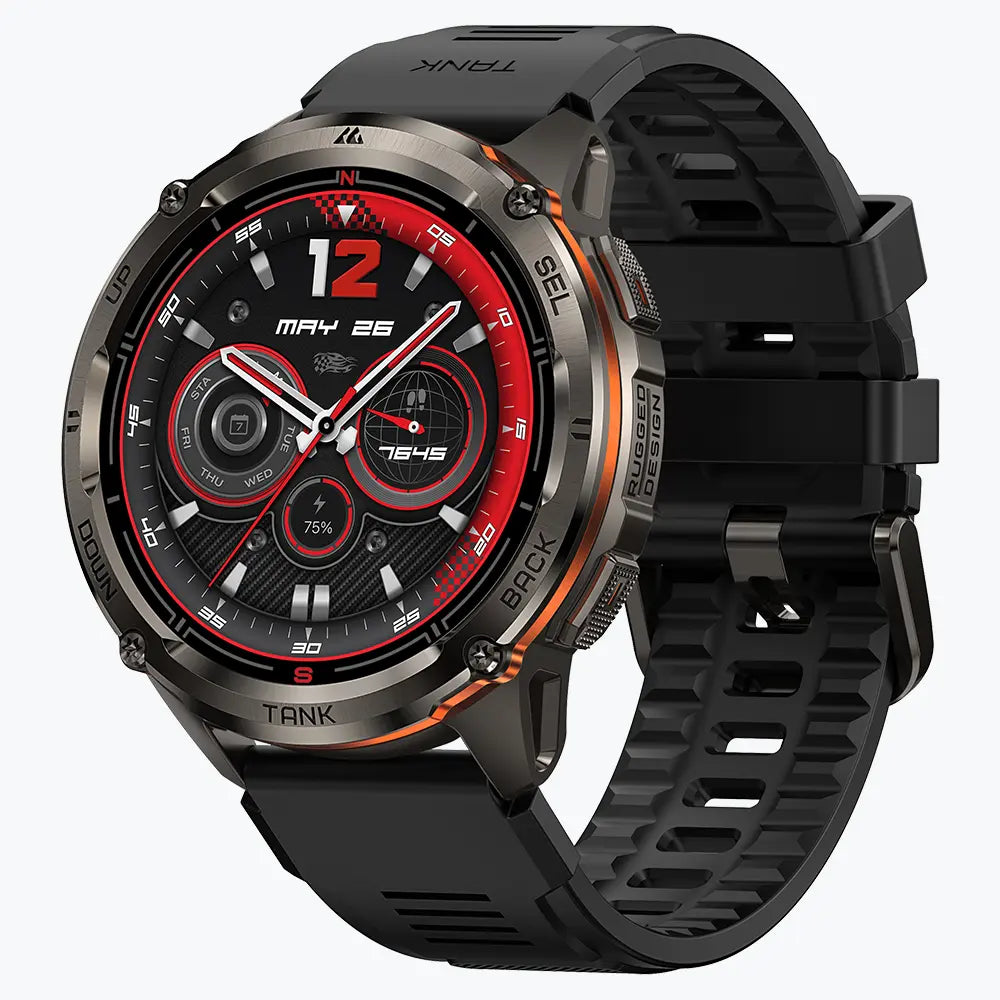
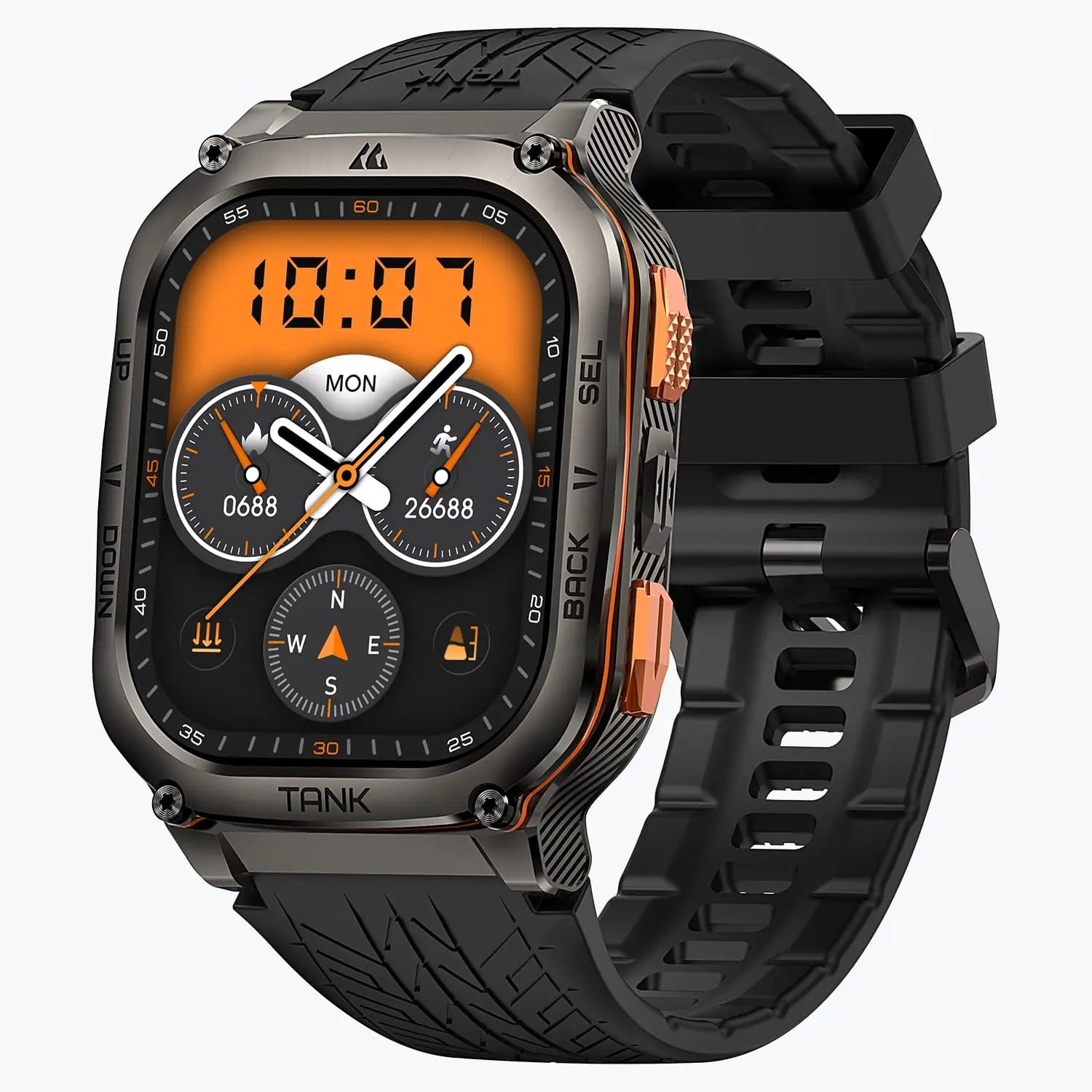
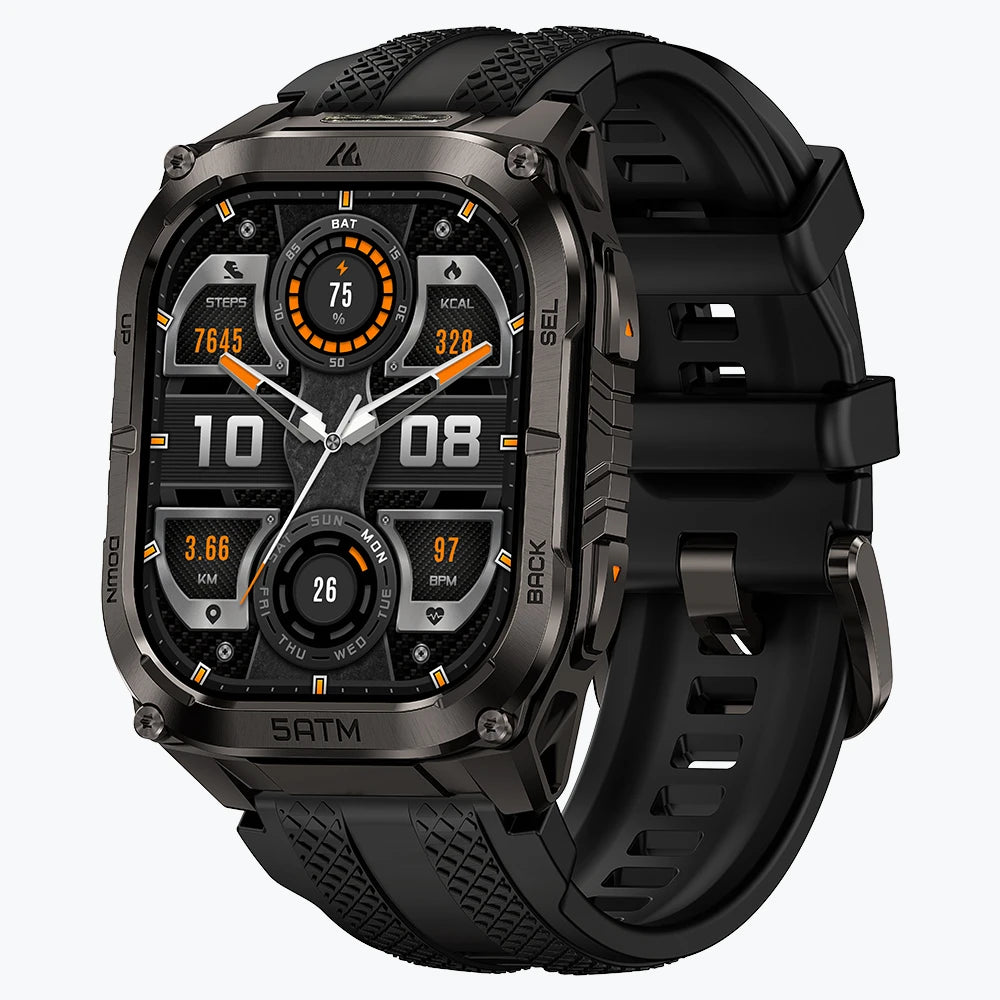
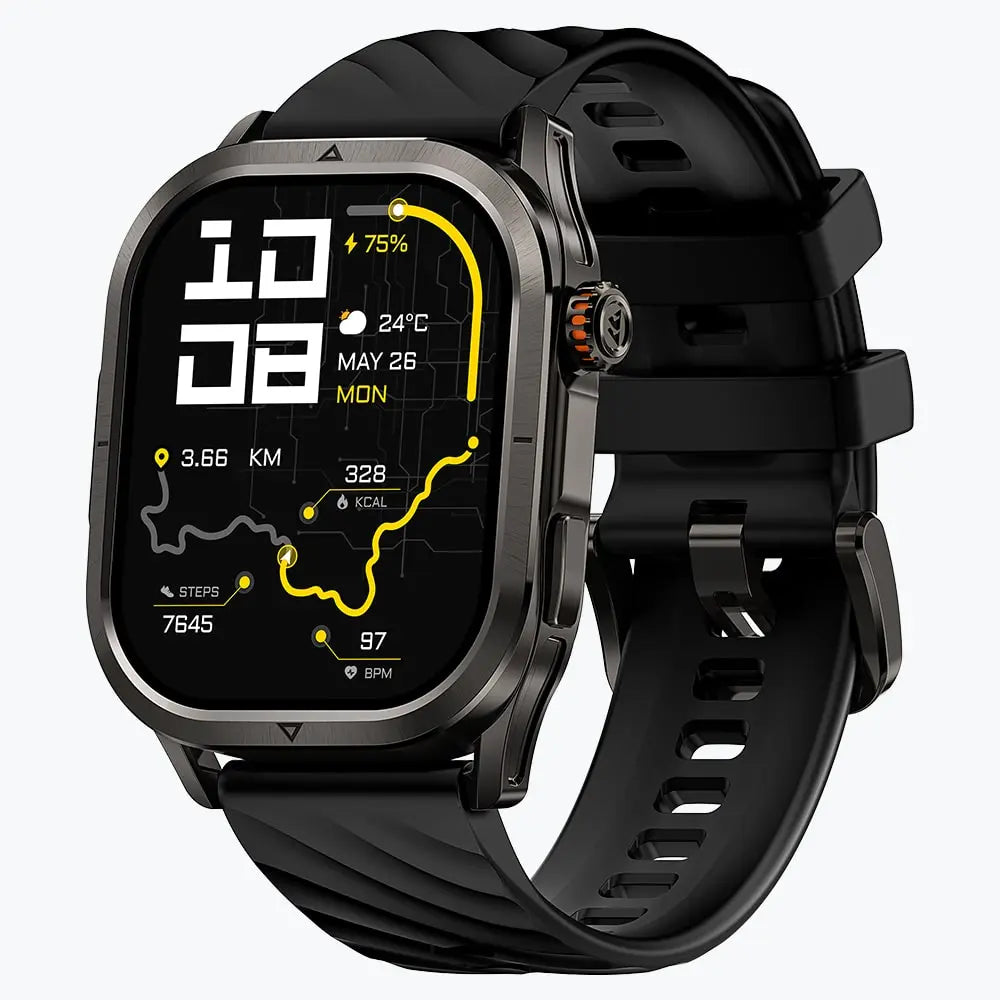


For construction workers, a rugged smartwatch is usually the better choice than a regular smartwatch.
That does not mean a rugged smartwatch is smarter. A regular smartwatch may have more apps, smoother phone integration, and a cleaner lifestyle design. But construction work does not reward the watch with the most features. It rewards the watch that stays usable when the job site gets in the way.
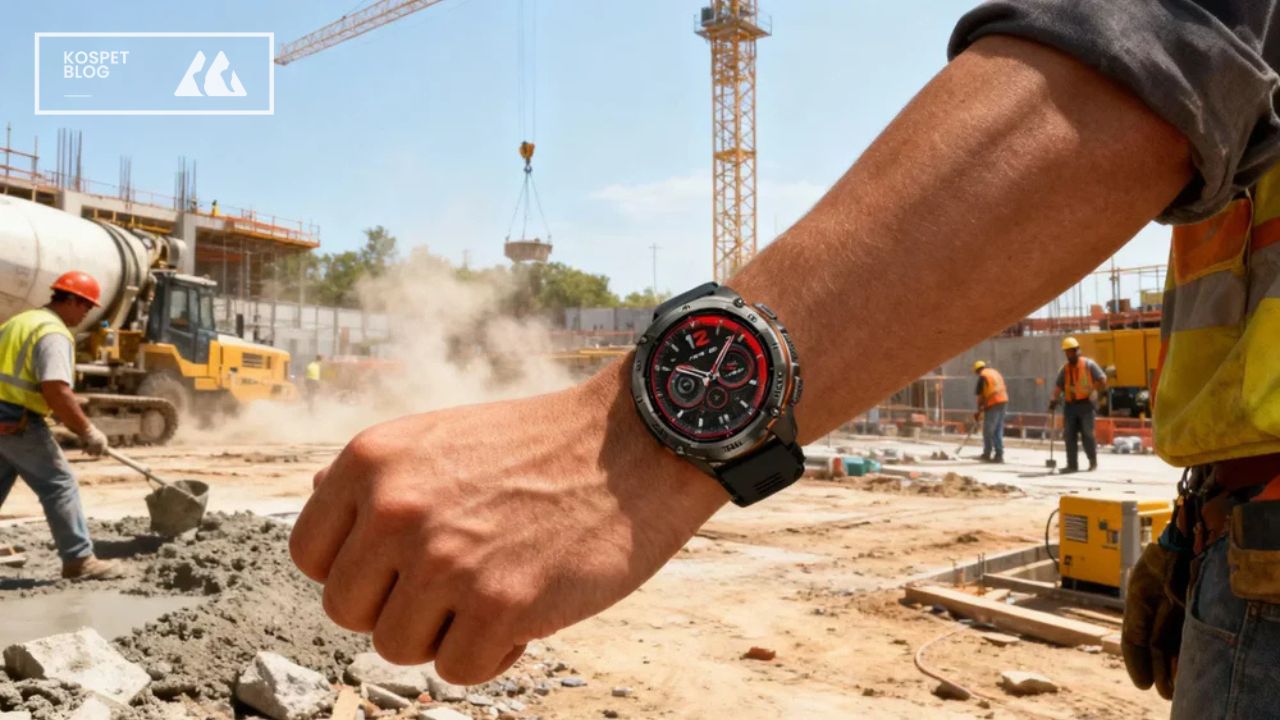
A construction site changes how a smartwatch is used. The watch may face dust, mud, rain, concrete edges, ladders, tools, gloves, bright sunlight, long shifts, and low-light work areas. In that environment, the better question is not “Which smartwatch has more functions?” The better question is: which watch still works while the work is happening?
The best smartwatch for construction workers should be judged by job-site usability first: durability, dust and water protection, glove-friendly controls, outdoor visibility, long battery life, and practical tools like a flashlight or walkie-talkie.

Why Regular Smartwatches Fall Short on Construction Sites
A regular smartwatch is built around clean daily life. A construction site is a different system. The problem is not that regular smartwatches are useless. The problem is that construction workers use a watch under more pressure, with less time, and with less room for failure.
The Work Environment Is Harder on the Watch
An office user usually protects a smartwatch without thinking about it. A construction worker does not have that luxury.
The watch can rub against concrete, hit toolboxes, knock into ladders, collect dust around the buttons, get wet during outdoor work, or sit under direct sunlight for hours. These are not rare accidents. They are part of the workday.
That is why case structure, glass protection, raised edges, and sealing matter more than a slim body or polished lifestyle design. A rugged smartwatch is not designed for perfect conditions. It is designed to keep working when the wrist is exposed.
The Way Workers Use a Watch Is Different
Construction workers usually interact with a watch in short, interrupted moments.
There may be only a few seconds to check the time, read an alert, answer a call, start a timer, or turn on a flashlight. The worker may be wearing gloves, holding tools, moving between tasks, or standing in dust, rain, or direct sun.
A touch-only smartwatch feels smooth when hands are clean. It becomes less reliable when the screen is wet, dusty, sweaty, or blocked by gloves. This is why physical buttons matter on a job site. They make simple actions easier without forcing the user to stop working.
Long Shifts Change the Meaning of Battery Life
Daily charging may be acceptable for office users. For construction workers, it can become another thing to manage after a long shift.
The better battery question is not only “How many days does it last?” It is whether the watch can handle the rhythm of the job: early starts, long shifts, repeated screen checks, notifications, outdoor brightness, GPS use, health tracking, and occasional flashlight use.
A rugged smartwatch should give more battery margin because construction work is not always predictable. Forgetting to charge once should not make the watch useless the next morning.
The Cost of Failure Is Higher on Site
A smartwatch failure on a job site is not only annoying. It can become expensive.
A cracked screen means repair or replacement. Weak outdoor visibility means the user stops checking the watch. Poor glove usability means the watch stays unused during work. Weak sealing can turn dust, sweat, mud, or water into a long-term problem.
That is why construction workers should not judge a smartwatch only by apps or lifestyle features. The better value is the watch that reduces common job-site weak points.
The key difference is simple: a regular smartwatch is built for convenience. A rugged smartwatch is built for conditions.
What Construction Workers Should Look for in a Smartwatch
The best smartwatch for construction workers should solve job-site problems first. It does not need to replace professional equipment. It needs to make the workday easier in small, repeated moments.
| Job-Site Need | What to Look For | Why It Matters |
|---|---|---|
| Daily contact with hard surfaces | Rugged case, protective glass, raised edges | The watch may hit ladders, tools, concrete, rails, or machinery during normal work. |
| Dust, mud, sweat, and rain | Dust and water protection | Job sites are not clean or dry. A watch should feel reliable after repeated exposure. |
| Gloves and dirty hands | Physical buttons | Touchscreens are harder to use when hands are wet, dusty, or covered by gloves. |
| Outdoor work | Bright, readable display | Time, alerts, calls, weather, and work reminders should be easy to check under sunlight. |
| Long shifts | Multi-day battery life | The watch should not become another device that needs charging every night. |
| Low-light tasks and quick communication | Flashlight, walkie-talkie, quick alerts | Simple tools can be more useful on site than extra lifestyle apps. |
Durability Should Protect Against Daily Contact
Construction work creates repeated contact with hard surfaces. The goal is not to find a watch that can never be damaged. The goal is to choose one that is less fragile during normal job-site use.
A construction smartwatch should have a stronger case structure, protective glass, rugged framing, and controls that feel built for repeated use. The watch should not feel like something you have to protect all day. It should feel like something that can share the workday with you.
Controls Should Stay Usable During Work
On a job site, a feature only matters when it can be reached quickly.
Physical buttons help with common actions like checking time, switching screens, starting a timer, dismissing alerts, or turning on a flashlight. They reduce friction when the touchscreen is wet, dusty, or harder to use with gloves.
Screen and Battery Should Match the Workday
A bright screen is not decoration. It affects whether the watch is useful outdoors. If the display is hard to read under sunlight, workers will stop relying on it.
Battery life works the same way. A watch with longer battery life is easier to keep wearing because it does not add one more charging habit after every shift.
Job-Site Tools Should Solve Small Problems
The most useful smartwatch tools on a construction site are often simple.
A flashlight helps in dark corners, garages, storage rooms, under vehicles, unfinished rooms, and evening tasks. A walkie-talkie can help with quick short-distance communication when pulling out a phone is inconvenient. Quick alerts help workers notice calls or messages without checking their phone with dirty hands.
These tools do not make the watch look more impressive on paper. They make it more useful during work.
Rugged vs Regular Smartwatch: Which One Fits the Job Site?
A regular smartwatch can still make sense for supervisors, office-based construction managers, or users who spend most of their time in clean environments. For hands-on construction workers, a rugged smartwatch is usually the better fit.
| Work Dimension | Regular Smartwatch | Rugged Smartwatch |
|---|---|---|
| Environment | Better for clean daily life, office use, and light workouts | Better for dust, mud, rain, tools, and outdoor work |
| Interaction | Usually touchscreen-first | More likely to include physical buttons for gloves and wet hands |
| Time | Often built around daily charging | Better suited for long shifts and multi-day use |
| Visibility | Indoor screen quality may be strong, but sunlight use can vary | Outdoor readability is usually more important in the design |
| Failure risk | More vulnerable to cracked screens, water damage, or frequent charging needs | Built to reduce common job-site weak points |
| Utility | Strong for apps, phone features, and lifestyle tracking | Stronger for flashlight, quick alerts, GPS, walkie-talkie, and rugged use |
| Best user | Office users, gym users, light-duty wearers | Construction workers, field workers, mechanics, outdoor workers |
The difference is not that rugged smartwatches are more advanced. The difference is that they are better aligned with the construction workday.
Best KOSPET Smartwatches for Construction Workers
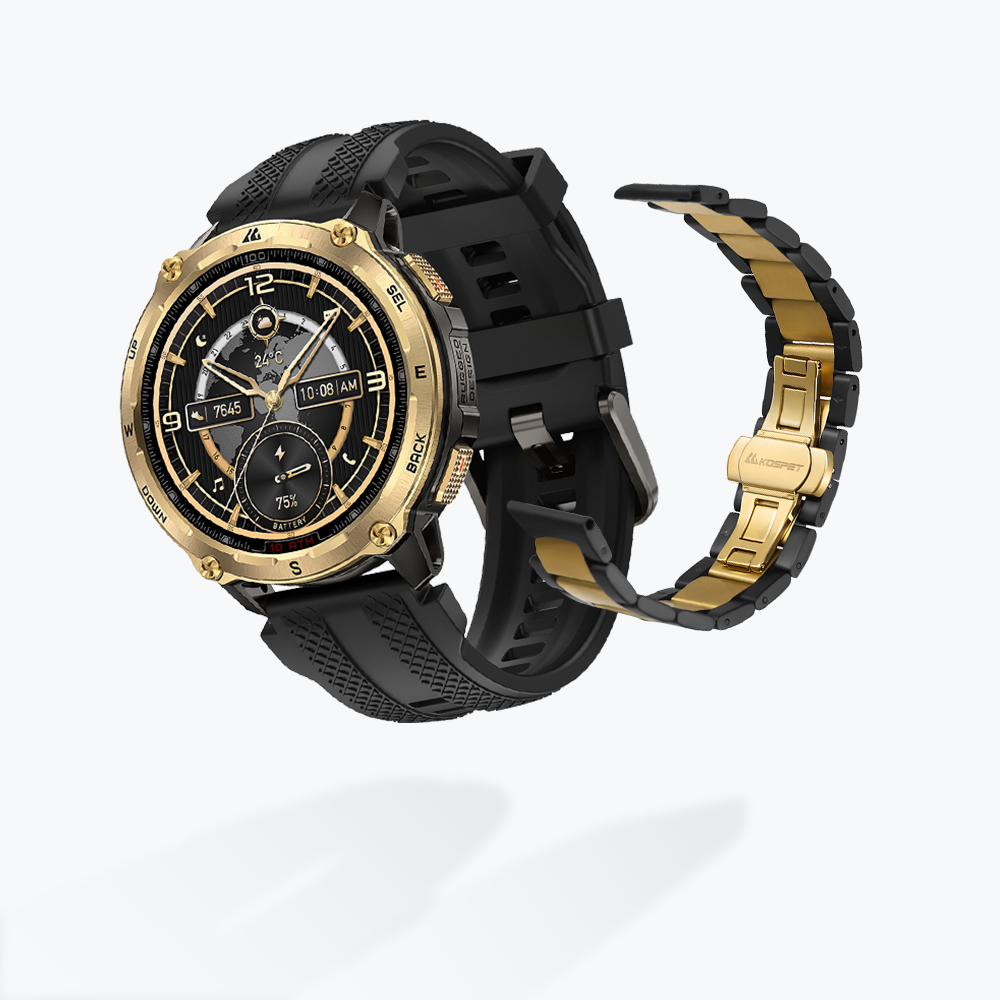
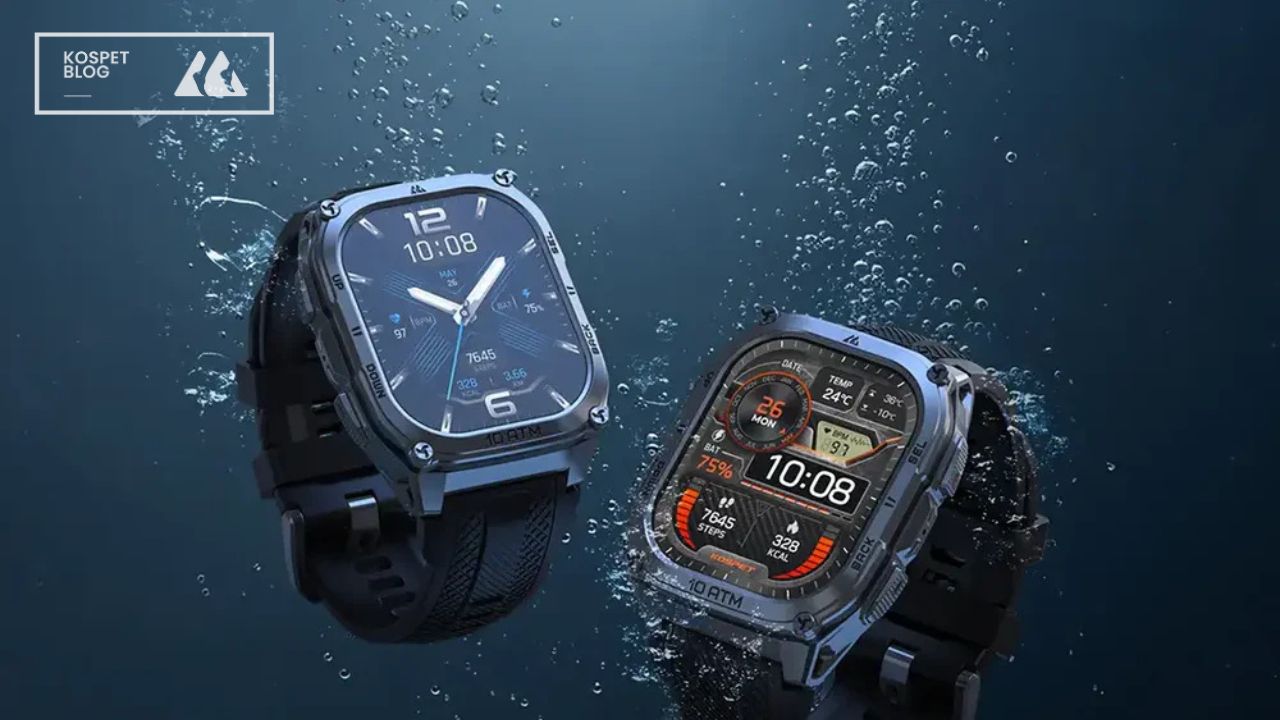
For construction workers, the better KOSPET choice depends on how the watch will be used during the workday. TANK T4C is better for users who want a round rugged watch for daily work and team communication. TANK M4C is better for users who want a larger screen and a more tool-like display experience.
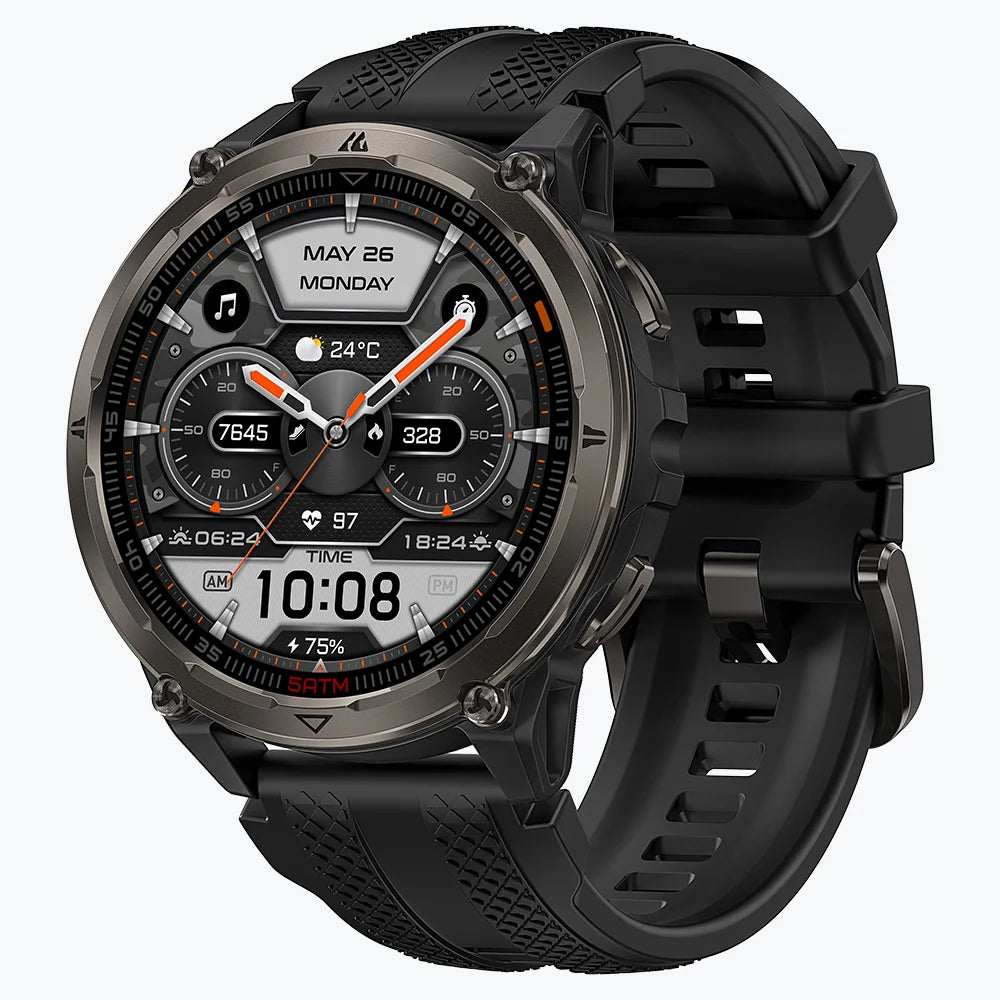
KOSPET TANK T4C — Best for Team Communication and Rugged Daily Work
The KOSPET TANK T4C is a better fit for workers who want a rugged watch that still feels easy to wear every day.
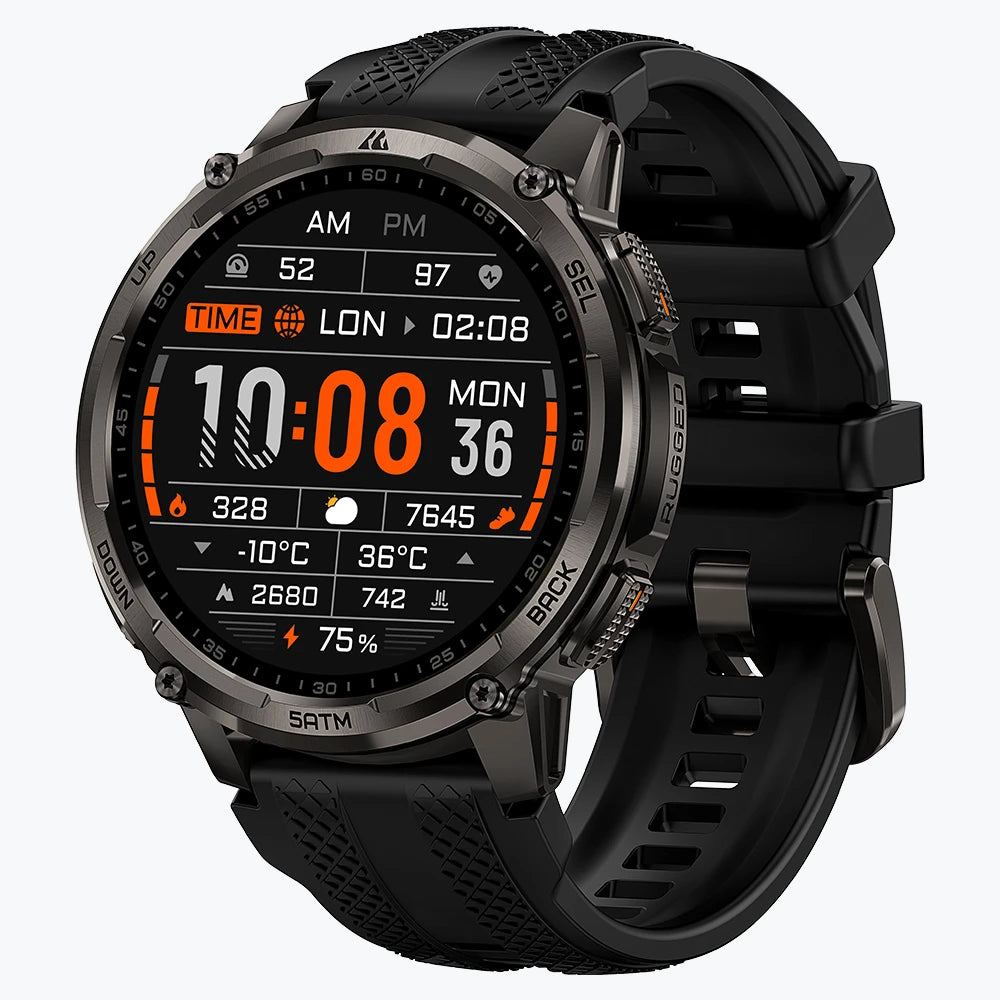
KOSPET TANK T4C Smartwatch
159,99 €EUR
- Best for: job sites, outdoor work, team tasks, daily rugged wear, and long shifts.
- Why it fits construction work: the round design feels closer to a normal watch, while the rugged build is made for dust, water exposure, outdoor use, and hands-on work.
- Useful work features: 40m walkie-talkie for short-distance communication and 5-level flashlight for dark areas, inspections, garages, storage rooms, and evening tasks.
- Battery support: up to 12–15 days of typical use, 8–10 days of heavy use, 18–21 hours of GPS use, and 4–5 hours of continuous LED flashlight use.
- Job-site details: 5 ATM & IP69K protection, 4 physical buttons, Corning Gorilla Glass, 1.5" AMOLED display, up to 1000 nits brightness, and 60.7g weight without strap.
Choose TANK T4C if: you want a round rugged smartwatch that works well on the job site but still looks natural for everyday wear.
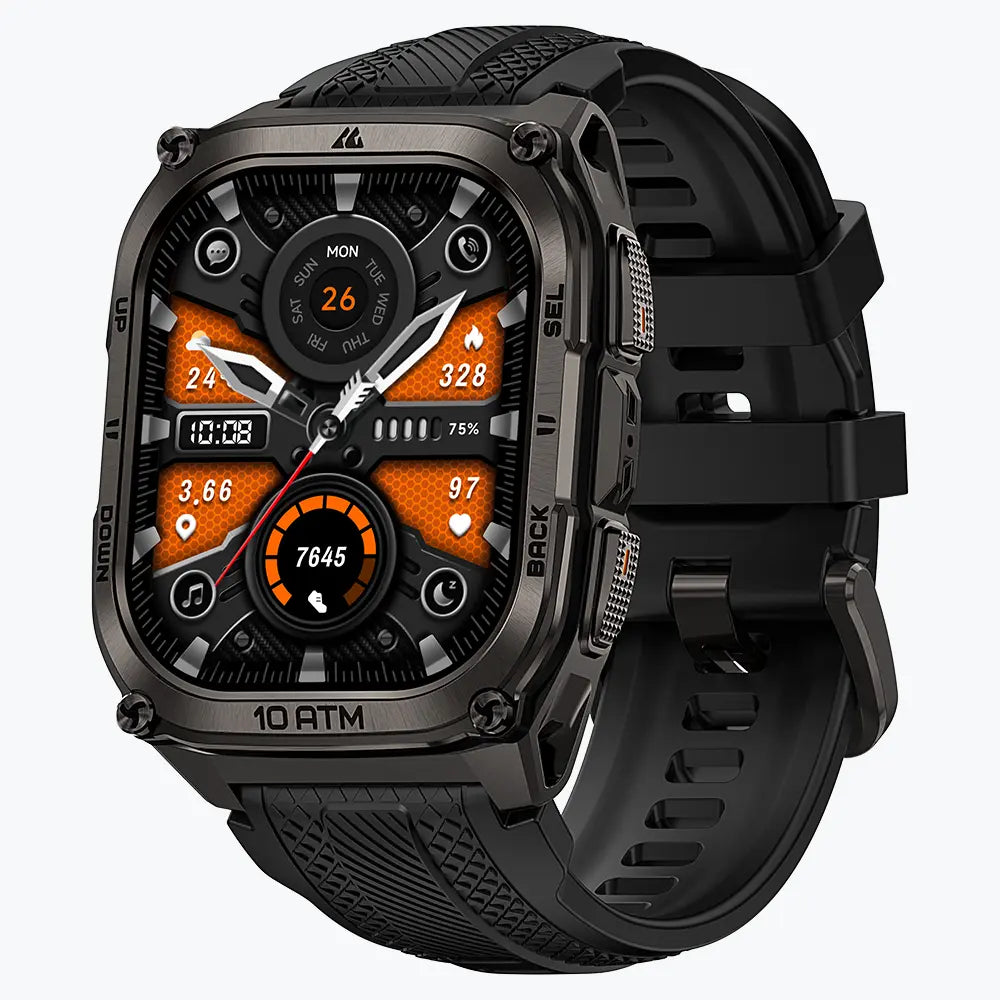
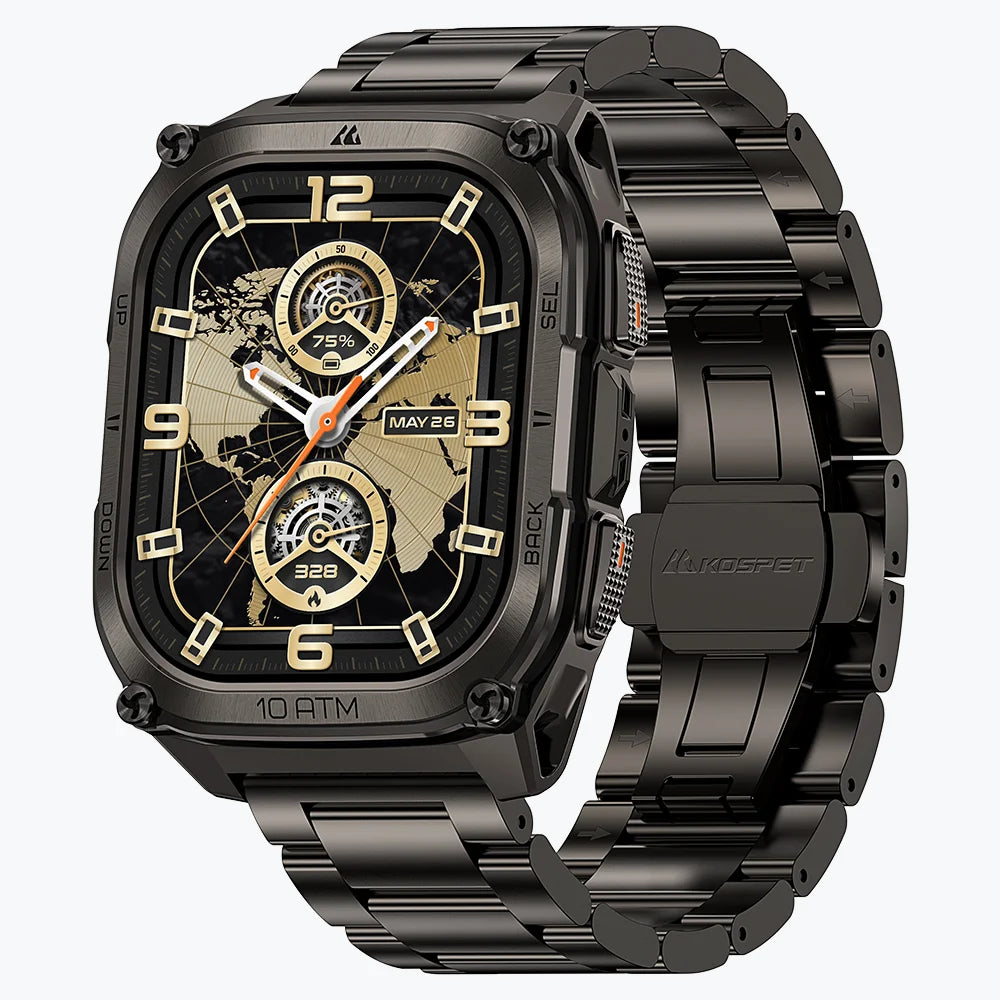
KOSPET TANK M4C — Best for Large-Screen Visibility and Tool-Like Use
The KOSPET TANK M4C is a better fit for workers who want a larger screen and easier quick reading during the workday.

- Best for: construction workers, mechanics, electricians, warehouse workers, field workers, outdoor maintenance, and low-light tasks.
- Why it fits construction work: the 1.96" square AMOLED display gives more room for checking time, alerts, calls, health data, and reminders at a glance.
- Useful work features: 40m walkie-talkie for short-distance communication and 5-level flashlight for inspections, dark corners, vehicle work, night shifts, and storage areas.
- Battery support: up to 13–16 days of typical use, 8–11 days of heavy use, 18–21 hours of GPS use, and 4–5 hours of continuous LED flashlight use.
- Job-site details: 5 ATM & IP69K protection, 4 physical buttons, Corning Gorilla Glass, 1.96" AMOLED display, up to 1000 nits brightness, and 65.5g weight without strap.
Choose TANK M4C if: you want a larger display, stronger visual readability, and a more tool-like smartwatch for construction work.
Still comparing the two styles? Read our guide: TANK T4C vs TANK M4C: Which One Fits Your Workday?
FAQs
Can construction workers wear a regular smartwatch?
Yes, but a regular smartwatch is usually better for office work, light daily use, and fitness tracking. For hands-on construction work, a rugged smartwatch is usually safer because it is built for dust, water exposure, gloves, outdoor visibility, longer shifts, and rougher daily use.
Do construction workers need physical buttons on a smartwatch?
Physical buttons are useful because touchscreens can be harder to use with gloves, wet hands, sweat, or dust. Buttons make it easier to check time, switch screens, turn on a flashlight, or use quick tools without stopping the work flow.
Is a flashlight useful on a construction smartwatch?
Yes. A built-in flashlight can help with dark corners, storage rooms, garages, vehicle checks, evening work, and quick inspections. It does not replace professional lighting, but it can solve small low-light problems during the day.
Is IP69K useful for construction workers?
IP69K can be useful because job sites often involve dust, mud, sweat, rain, and cleaning after work. It helps give more confidence in dirty and wet environments, although users should still follow the product’s official care and water-use guidance.
What is better for construction workers: a round or square smartwatch?
A round smartwatch feels more like a traditional watch and may be easier to wear after work. A square smartwatch usually gives more screen space, which can help with quick reading, alerts, and tool-like use during the workday.




Leave a comment
This site is protected by hCaptcha and the hCaptcha Privacy Policy and Terms of Service apply.