

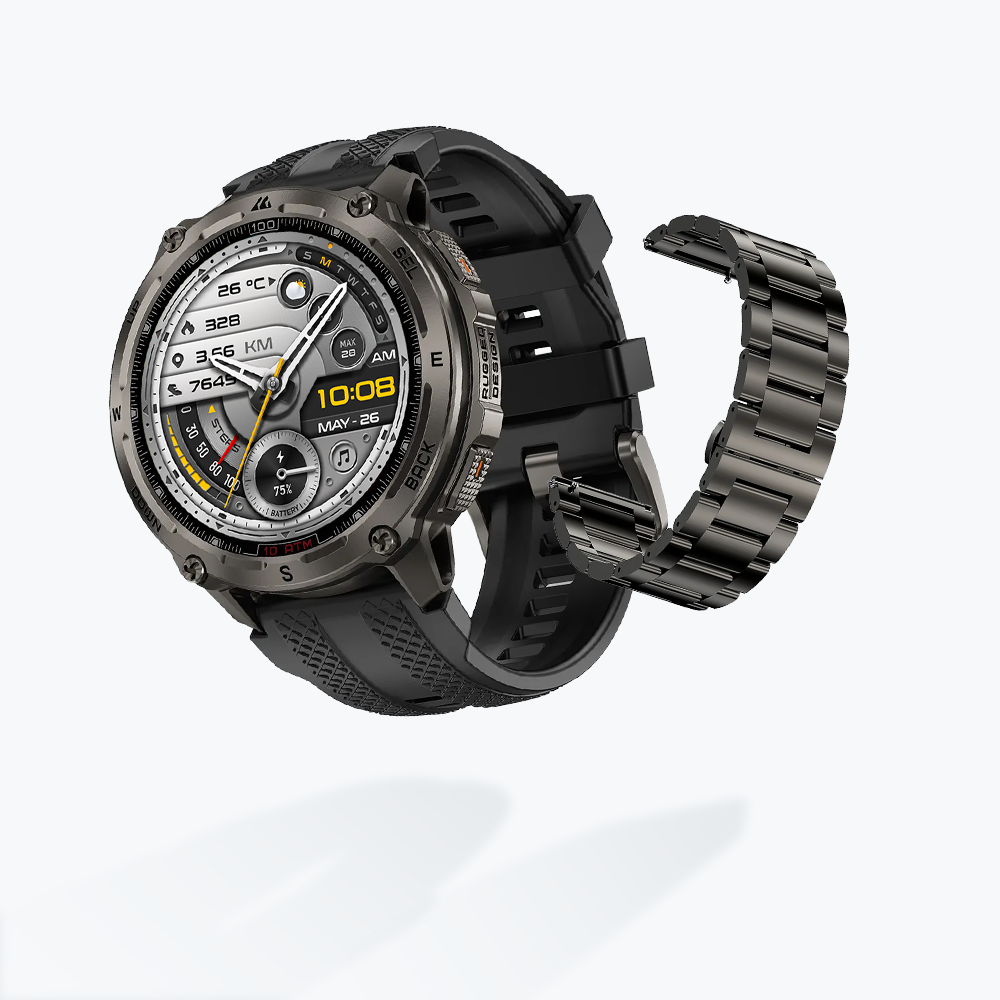
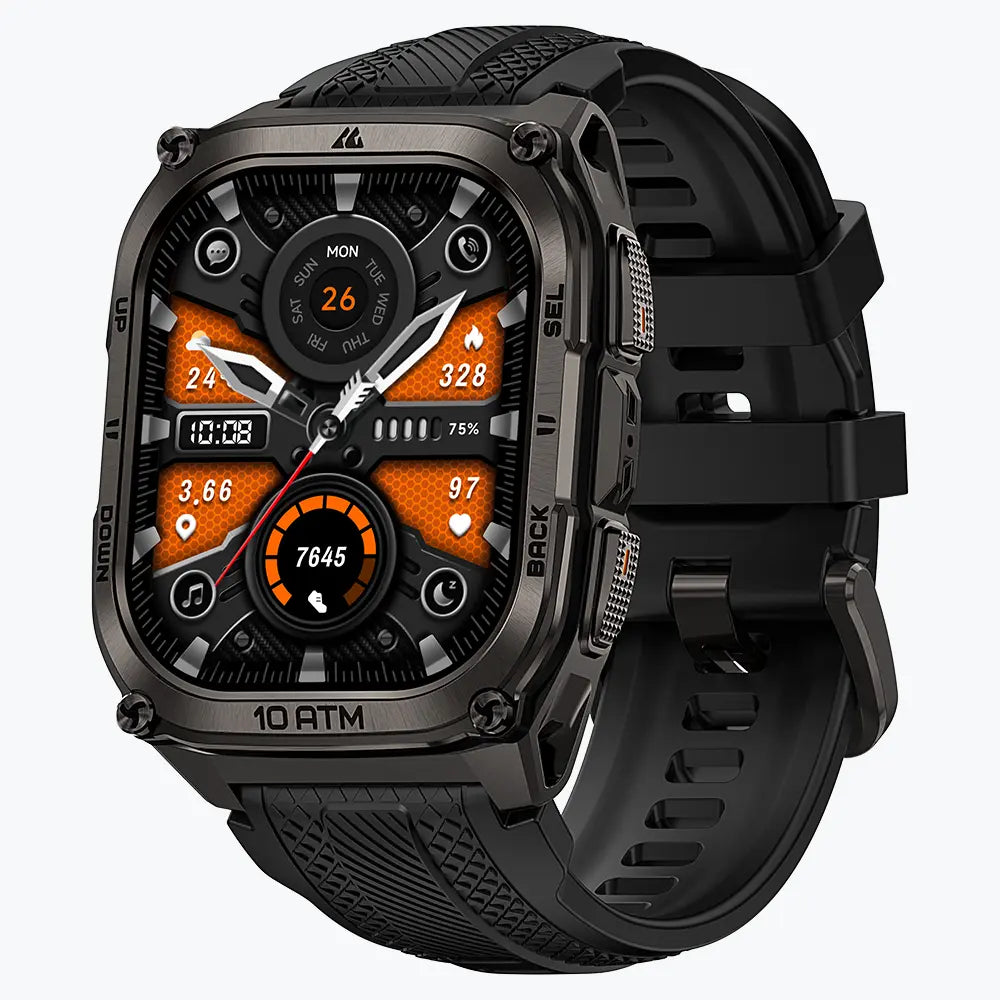
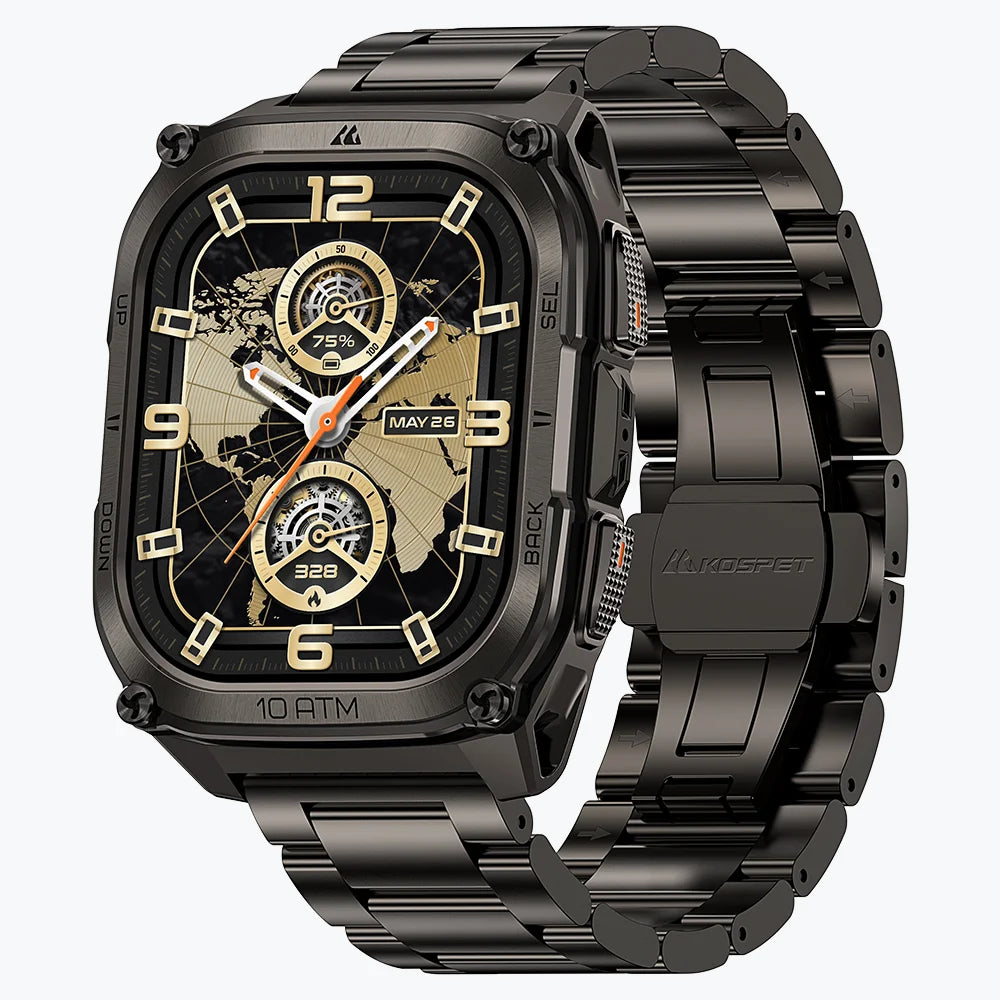
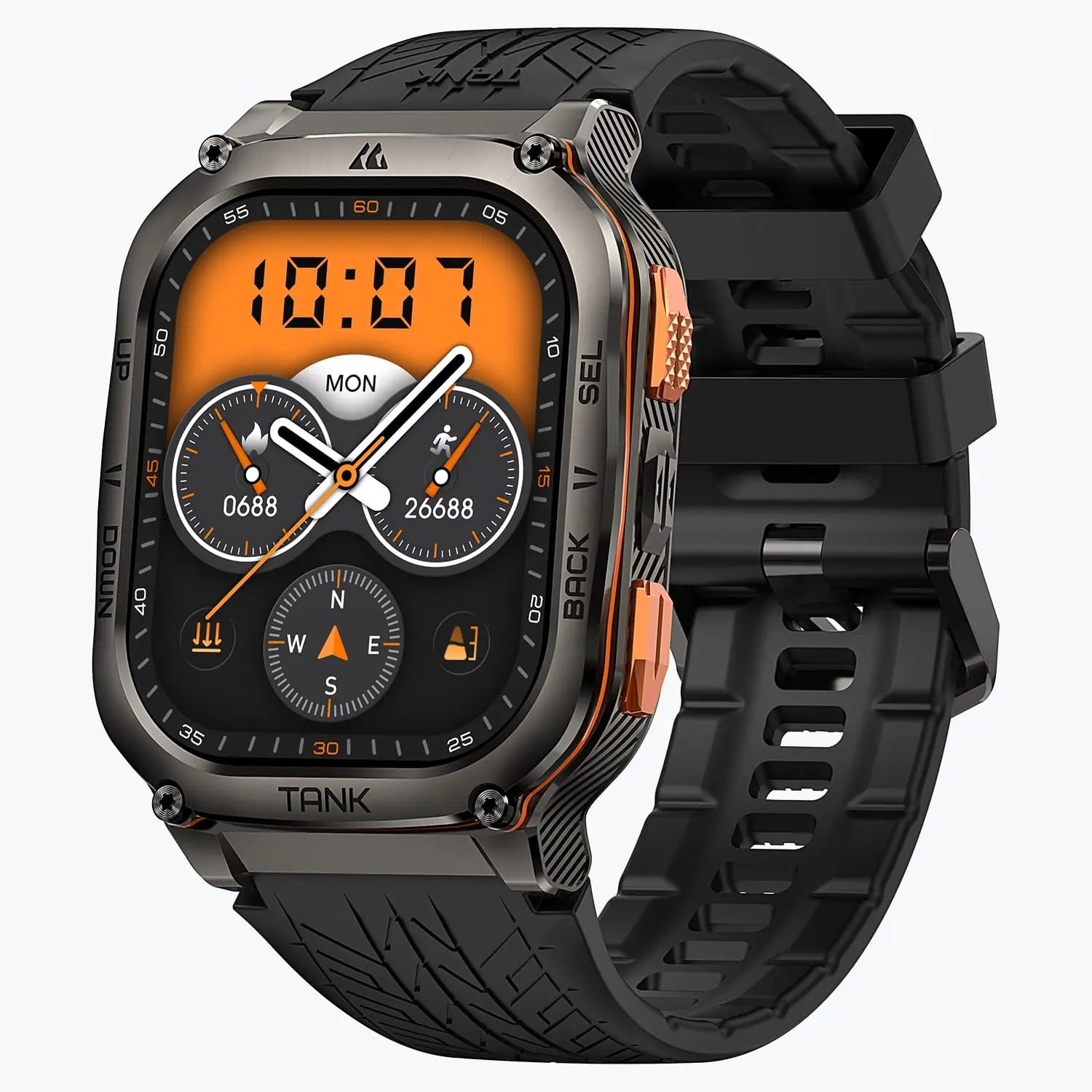
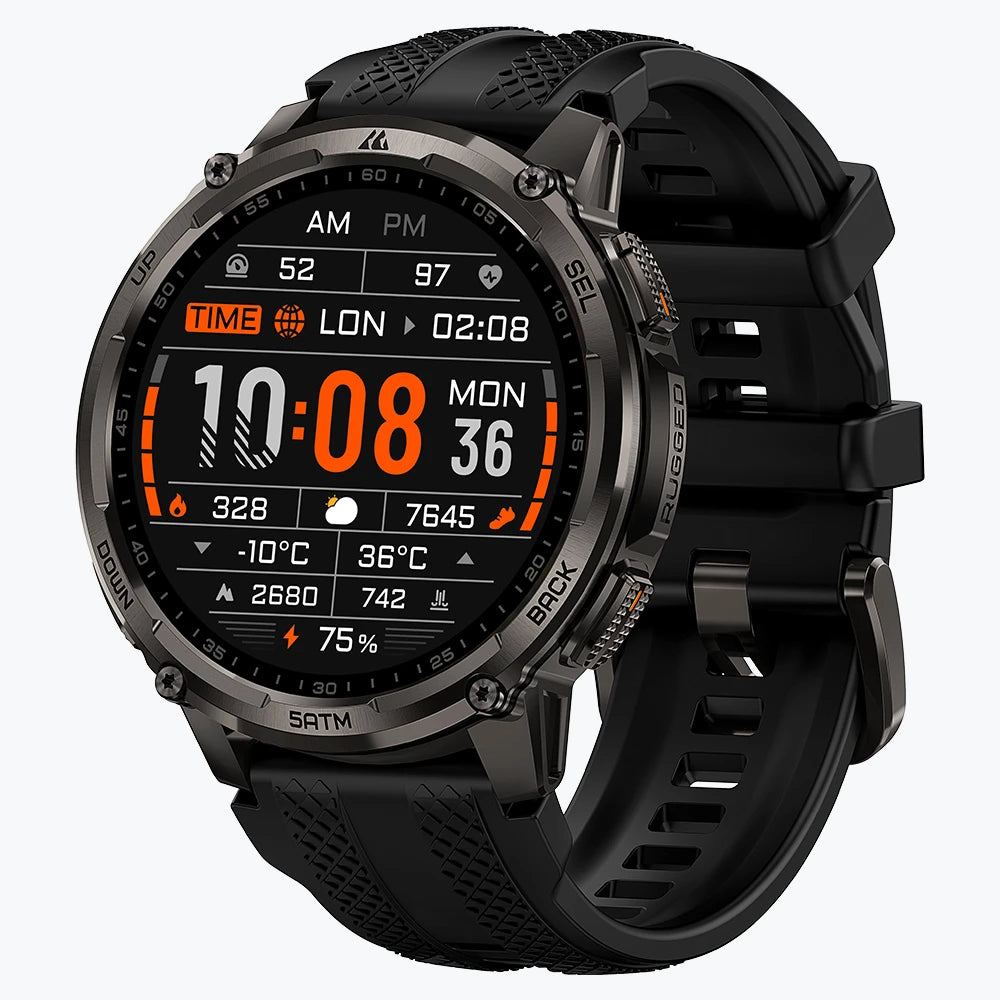
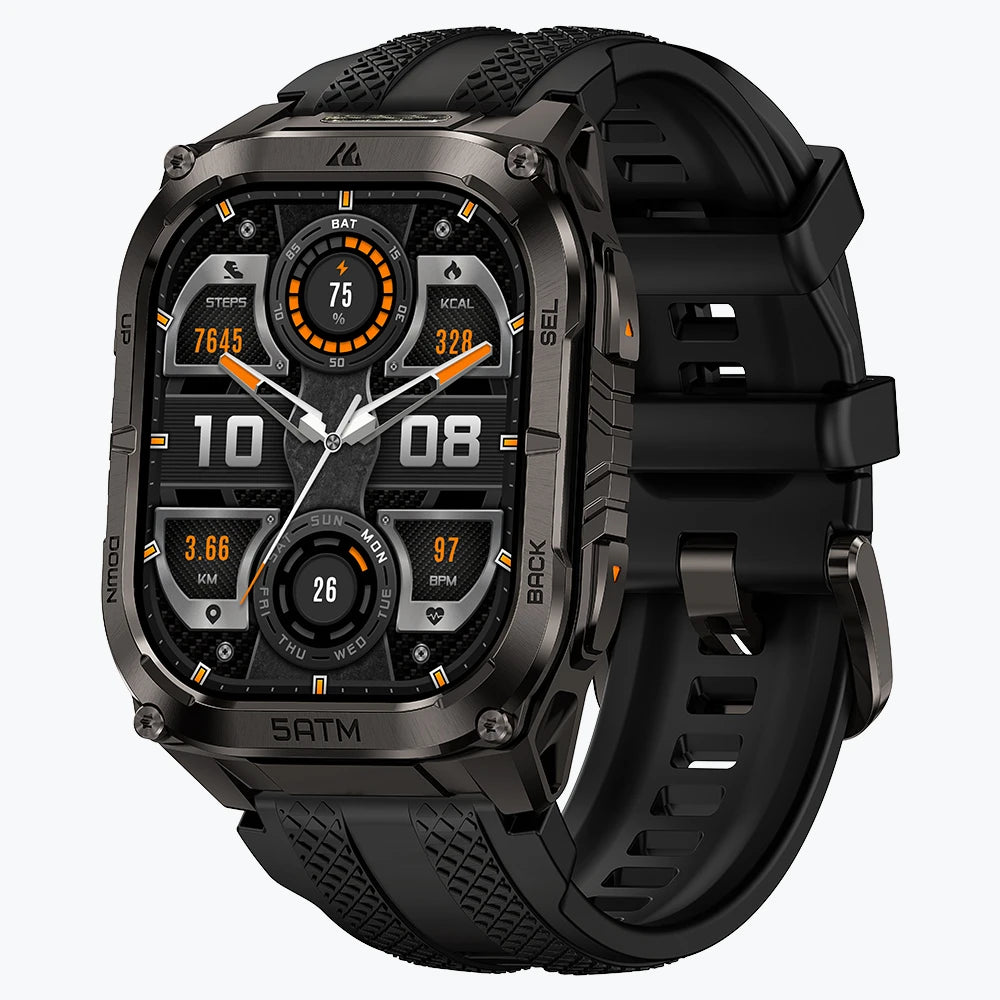
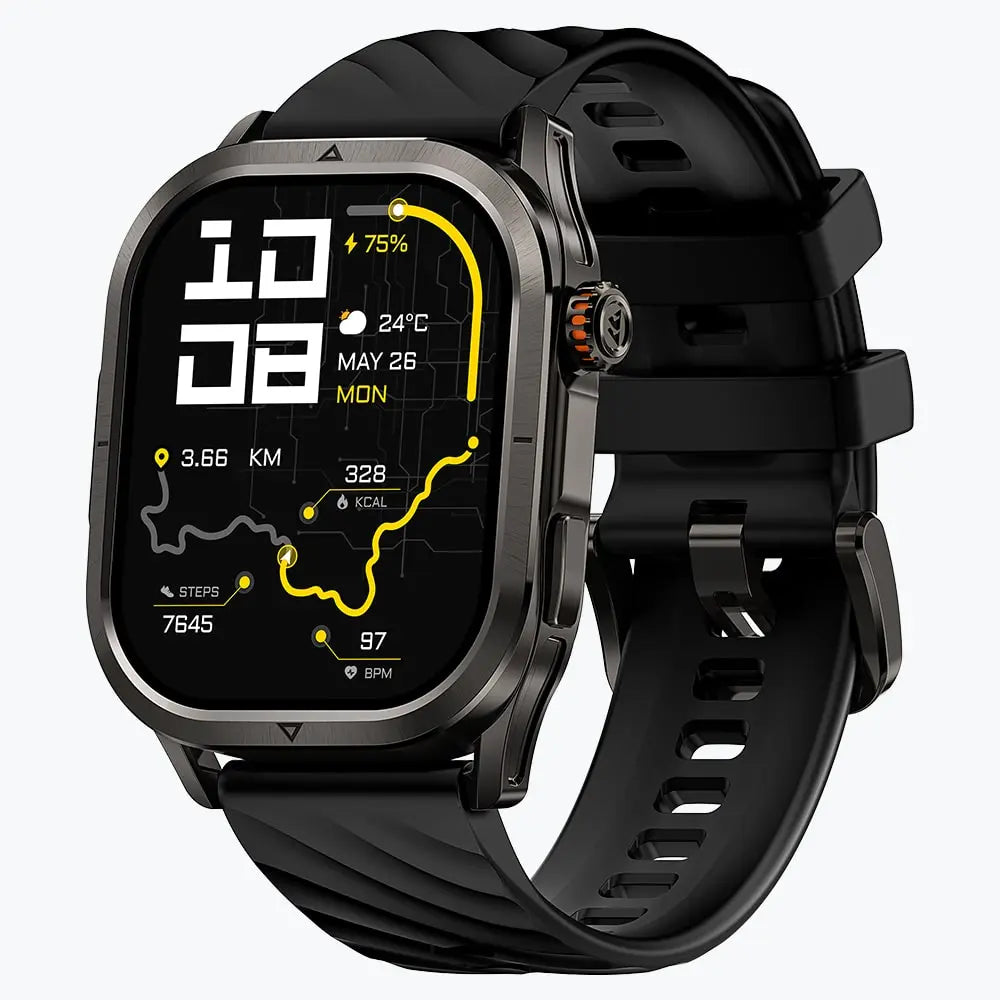


A running smartwatch is worth it for many beginners because it solves the first problems that make running frustrating: bad pacing, unclear effort, and no simple way to see progress. That is the real point. A good watch does not make you faster by magic. It helps you stop guessing.
Most beginners do not quit because they hate running. They quit because every run feels messy. They go out too fast, get tired too early, and cannot tell whether they are training well or just collecting fatigue.
This guide is here to answer the questions that matter most: what makes a running smartwatch different, which features matter first, which features can wait, and what kind of watch fits your stage right now.

Running Smartwatch vs Smartwatch: What’s the Difference?
A regular smartwatch records activity. A running smartwatch helps shape training. That is the difference that matters.
| Dimension | Running Smartwatch | Regular Smartwatch |
|---|---|---|
| Main purpose | Built for pace, distance, workouts, and training feedback | Built for calls, messages, apps, and daily convenience |
| GPS use | More focused on run tracking and route accuracy | Often enough for casual use, but less training-focused |
| Workout feedback | Better for pace, splits, heart rate, and run history | Usually more basic and general |
| Battery during workouts | Better suited for repeated workouts and longer outdoor use | Often drains faster with more smart features running |
| Best for | Runners who want clearer training data | Users who want lifestyle features first |
This difference matters because beginners do not need more data. They need data that changes decisions. A regular smartwatch can tell you that you exercised.
A running smartwatch is more useful when you want to know whether you started too hard, held a steady pace, or trained at the right effort.
What Features Matter Most in a Running Smartwatch?
The right features are the ones that fix beginner mistakes first. A first running watch should make your runs easier to read, not harder to understand.
The features that matter most are:
-
GPS tracking
GPS matters because beginners often misjudge pace and distance. Reliable pace data helps stop the classic mistake of running the first kilometer too fast and falling apart later. -
Heart rate monitoring
Heart rate matters because effort is easy to misread. Many new runners think every run should feel hard. In practice, easier heart rate zones are where much of endurance gets built. -
Battery life
Battery life matters because a useful tool must be easy to live with. Watches that need constant charging become annoying fast, especially once GPS workouts are part of the week. -
Workout history
Run history matters because progress rarely feels obvious in one session. Saved records of pace, time, distance, and frequency make consistency visible. -
Comfort and screen readability
Comfort matters because a watch you dislike wearing will not help you for long. Weight, strap feel, and clear on-run readability all matter more than beginners expect.
The deeper point is simple: beginners do not need the longest feature list. They need the shortest path to better decisions.
Which Running Smartwatch Features Can Beginners Skip at First?
Most beginners do not buy wrong because they buy too little. They buy wrong because they buy too much, too early.
The features you can usually skip at first include:
- Dual-band GPS — Useful in dense cities, mountains, or difficult signal conditions. Not the first priority for short road runs or easy park runs.
- VO2 max, training load, and recovery scores — These can be useful later, but they are not where a beginner should start. First learn pace, effort, and weekly rhythm.
- Offline maps and full navigation — Great for trail runners and long outdoor routes. Not essential for someone running near home.
- Huge sports mode lists — Nice on paper. Not a real solution to the beginner pain point of pacing, effort control, and consistency.
That is where marketing often beats judgment. A beginner sees more features and assumes more value. In real use, the best first watch is usually the one that does the basics cleanly and gets used every week.
What Type of Running Smartwatch Fits Your Running Goal?
The right watch should match the stage you are in now, not the stage you imagine reaching six months from now.
-
For casual runs and first-time runners: Magic R10
This is a practical entry point for beginners who want real GPS support without jumping into a more expensive training ecosystem. According the Magic R10 includes dual-band L1+L5 GPS, six satellite systems, a barometric altimeter, and up to 15 days of typical battery life.
-
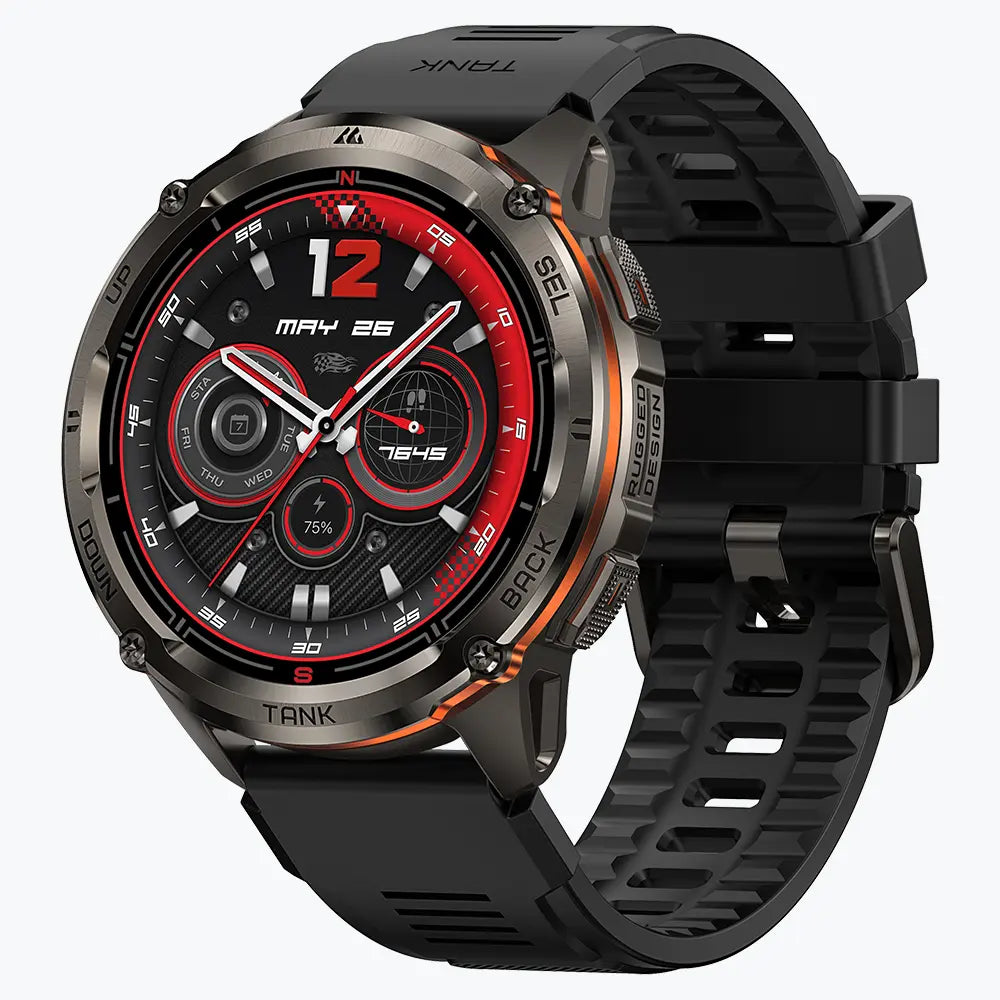
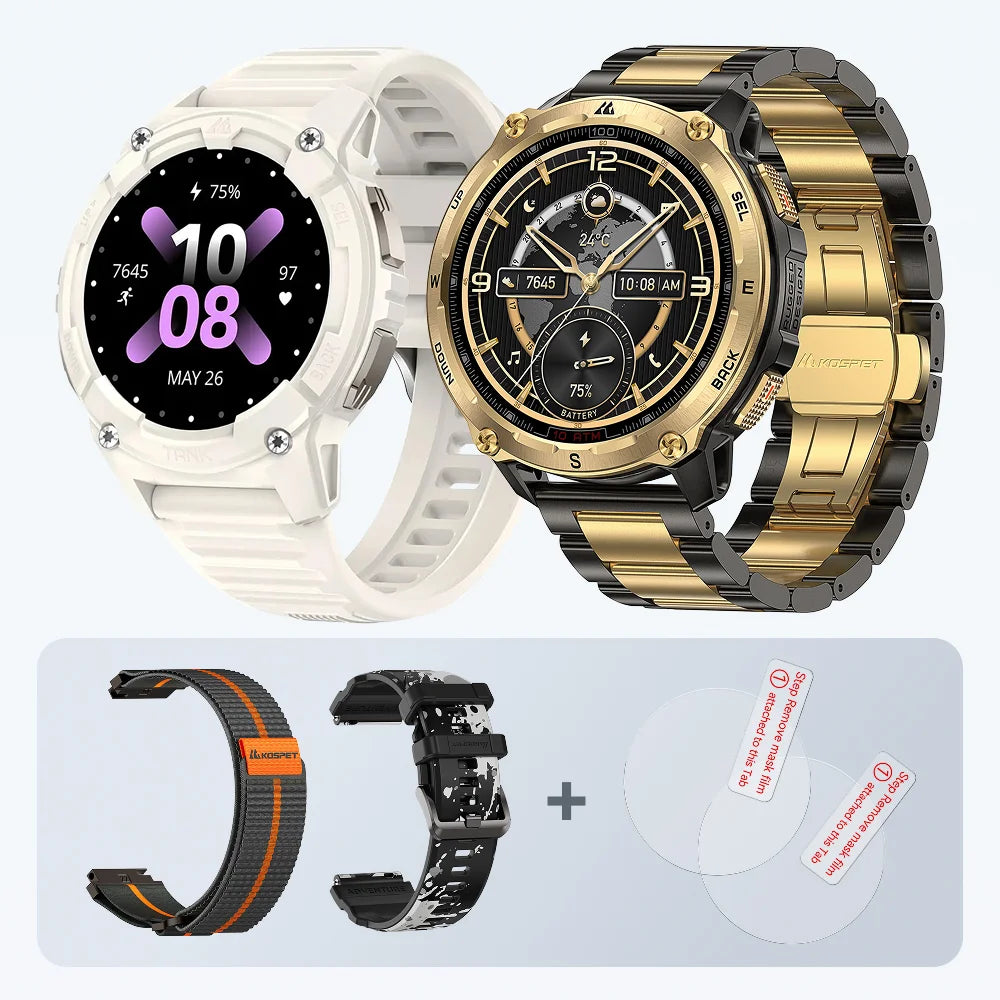
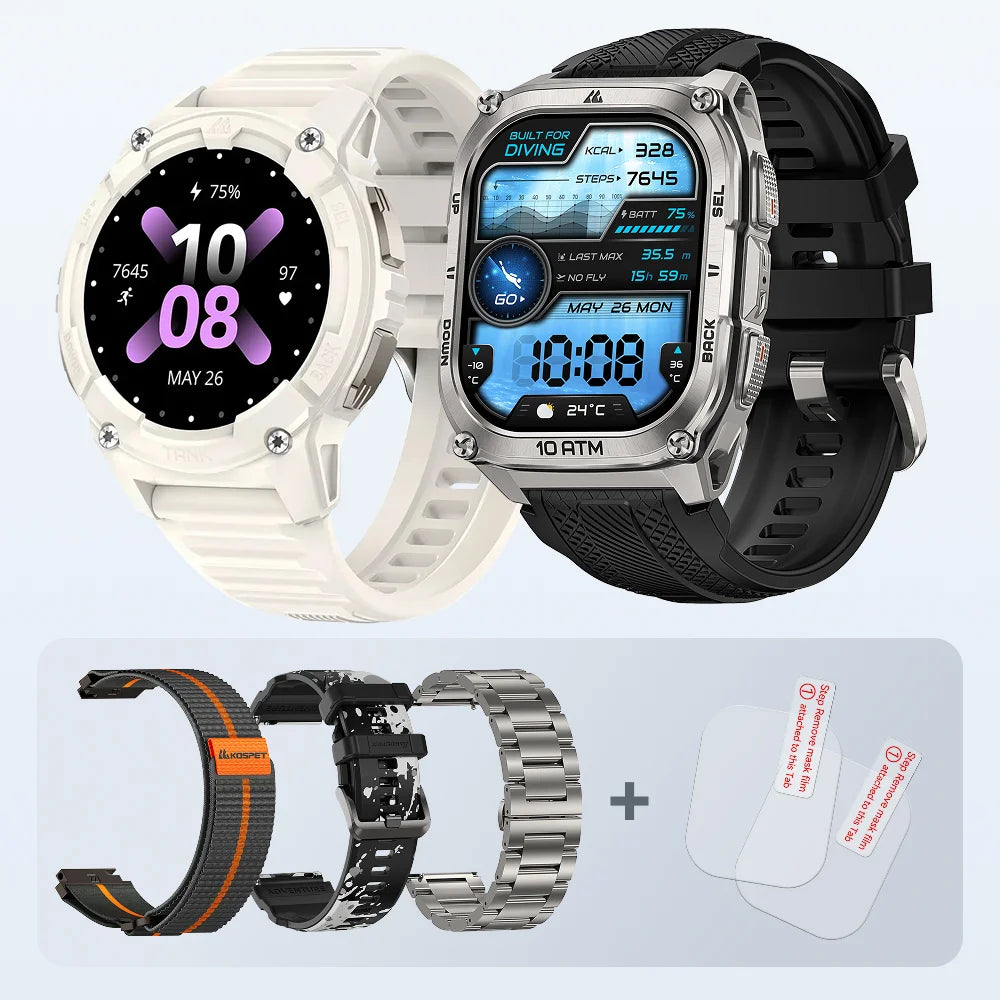
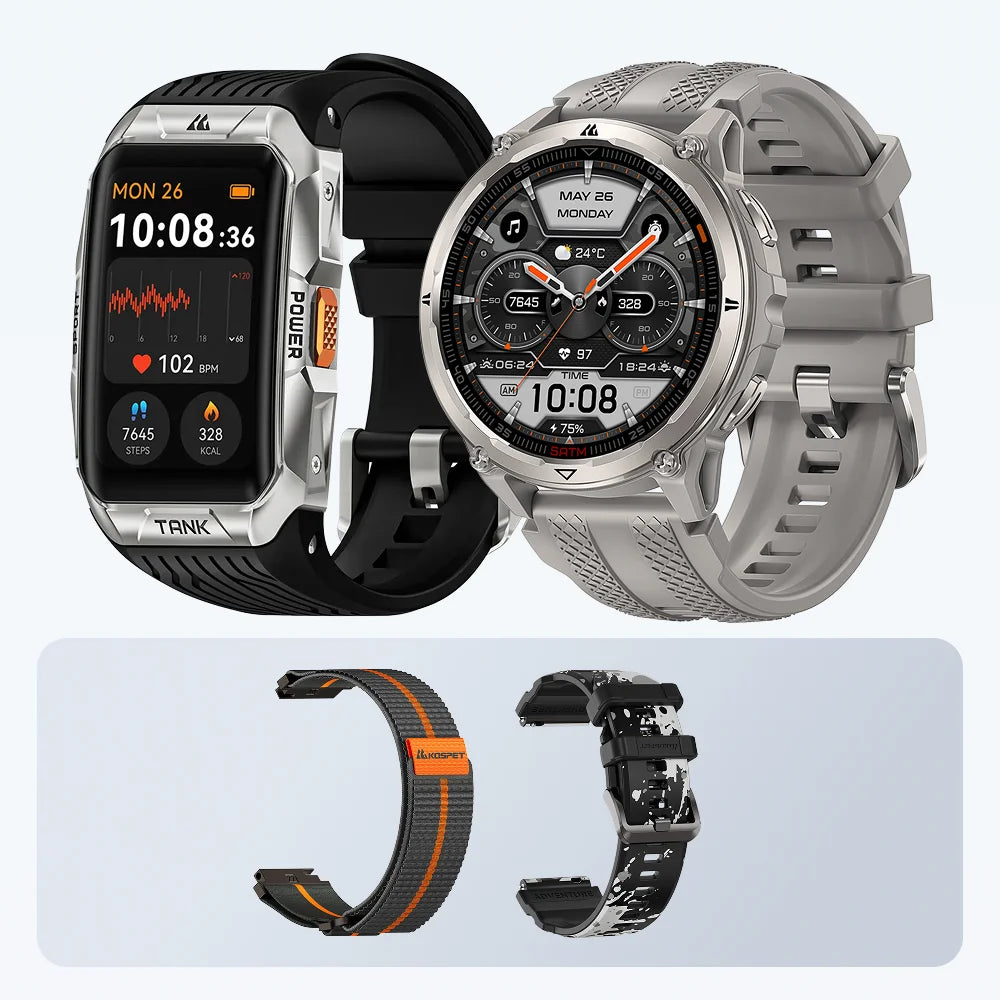
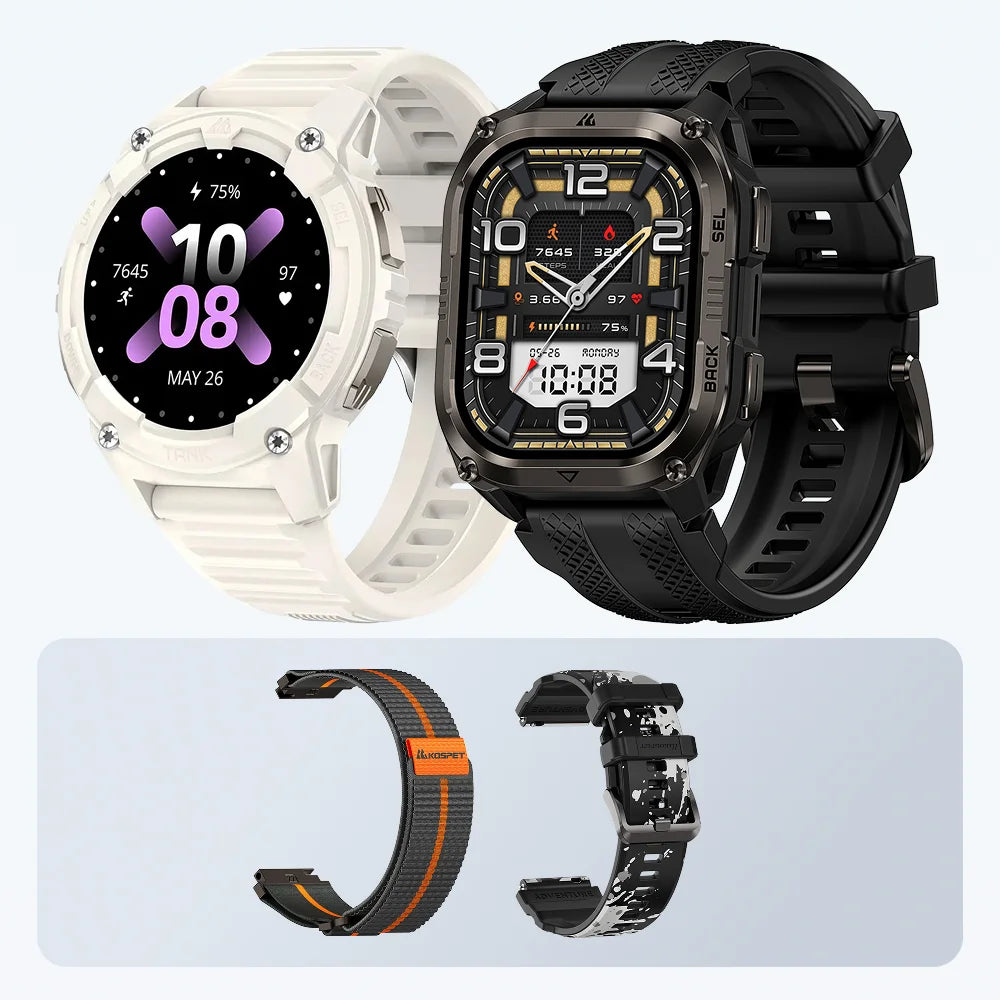
For 5K and 10K beginners: KOSPET TANK T4
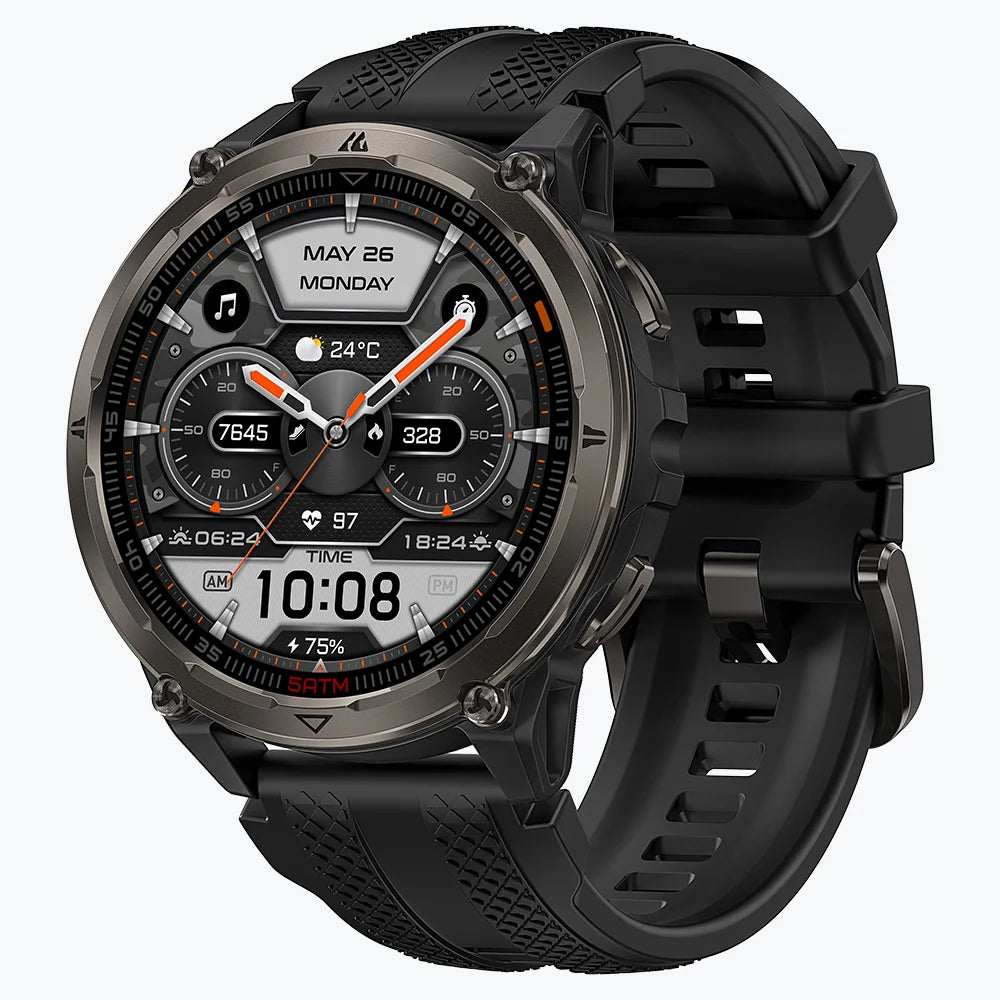
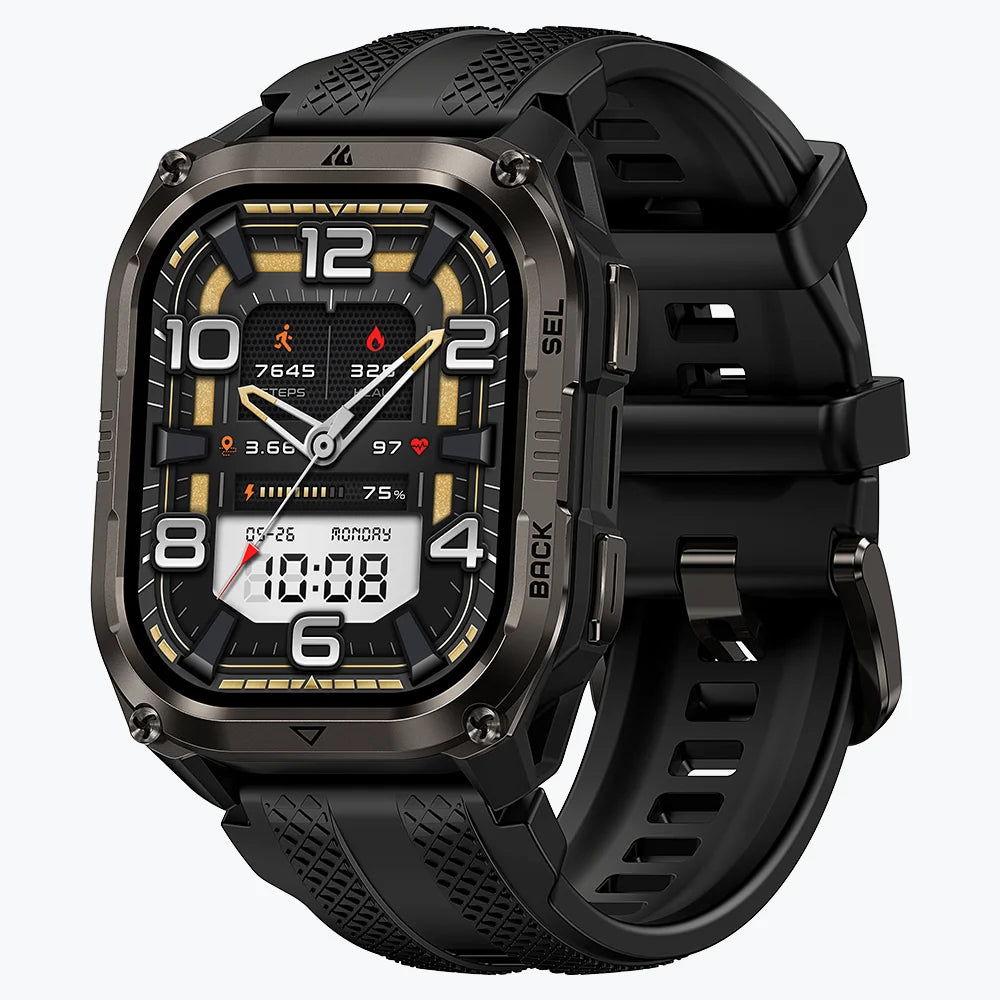
This stage needs stronger pace confidence and longer workout support. KOSPET positions the T4 around running with offline maps, storage support, and dual-band multi-system GNSS.

-
For runners who want better control and more structured training: Garmin Forerunner 165
This is the point where a big running platform starts to make more sense. Garmin describes the Forerunner 165 as a GPS running watch with training metrics, adaptive training plans, and up to 11 days of battery life. -
For trail runs and longer outdoor sessions: COROS PACE Pro
Longer and less predictable runs demand more than basic tracking. COROS says the PACE Pro offers 38 hours of GPS battery plus global maps and turn-by-turn navigation.
This is where many people buy wrong. They buy for identity instead of need. A runner doing three short road runs a week does not need to buy like a trail athlete. A runner moving into longer outdoor sessions should not stay with a watch that only covers the basics.
Conclusion
A beginner does not need the most advanced running smartwatch. A beginner needs a watch that removes confusion.
That usually means four things: reliable GPS, useful heart rate tracking, battery life that does not annoy you, and workout history that makes progress easy to see. Everything else comes later.
The best first running watch is not the one with the longest feature list. It is the one that helps you run with better control, better understanding, and fewer repeated mistakes.
FAQs
Can a regular smartwatch work for running?
Yes, a regular smartwatch can work for casual runs, short workouts, and basic activity tracking. It can record simple data like time, distance, and calories. But once you start running more often, a running smartwatch is usually more useful because it gives clearer pace data, better GPS support, stronger workout tracking, and a better view of training progress.
Is GPS necessary in a running smartwatch?
For outdoor running, GPS is one of the most important features. It helps track pace, distance, and route, which are the core numbers most beginners need. Without GPS, it is much harder to know whether you are running at a steady pace or improving over time. For treadmill or indoor use, GPS matters less, but for outdoor runs it is highly valuable.
Do beginners need advanced training metrics?
No, most beginners do not need advanced training metrics at the start. Features like VO2 max, training load, and recovery scores can be helpful later, but they are not the first priority. Beginners usually benefit more from reliable GPS, heart rate monitoring, battery life, and workout history. Those core features do more to improve running habits in the early stage.





Leave a comment
This site is protected by hCaptcha and the hCaptcha Privacy Policy and Terms of Service apply.