




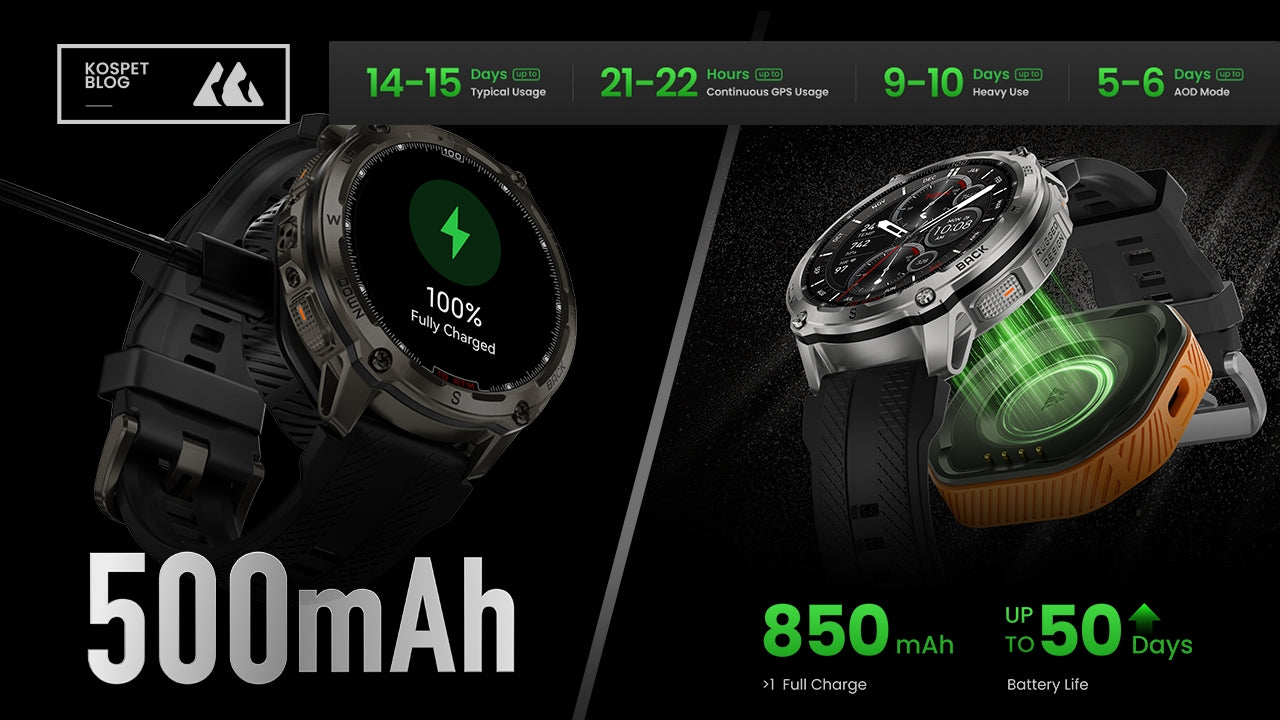
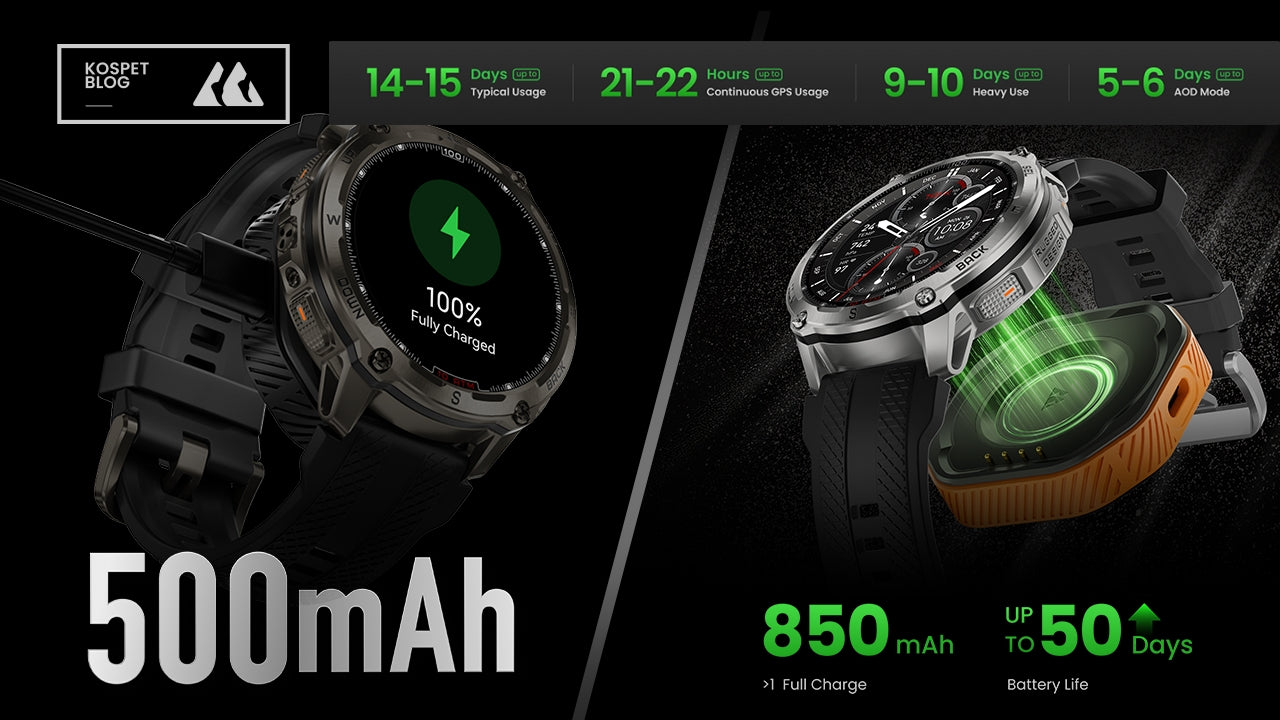
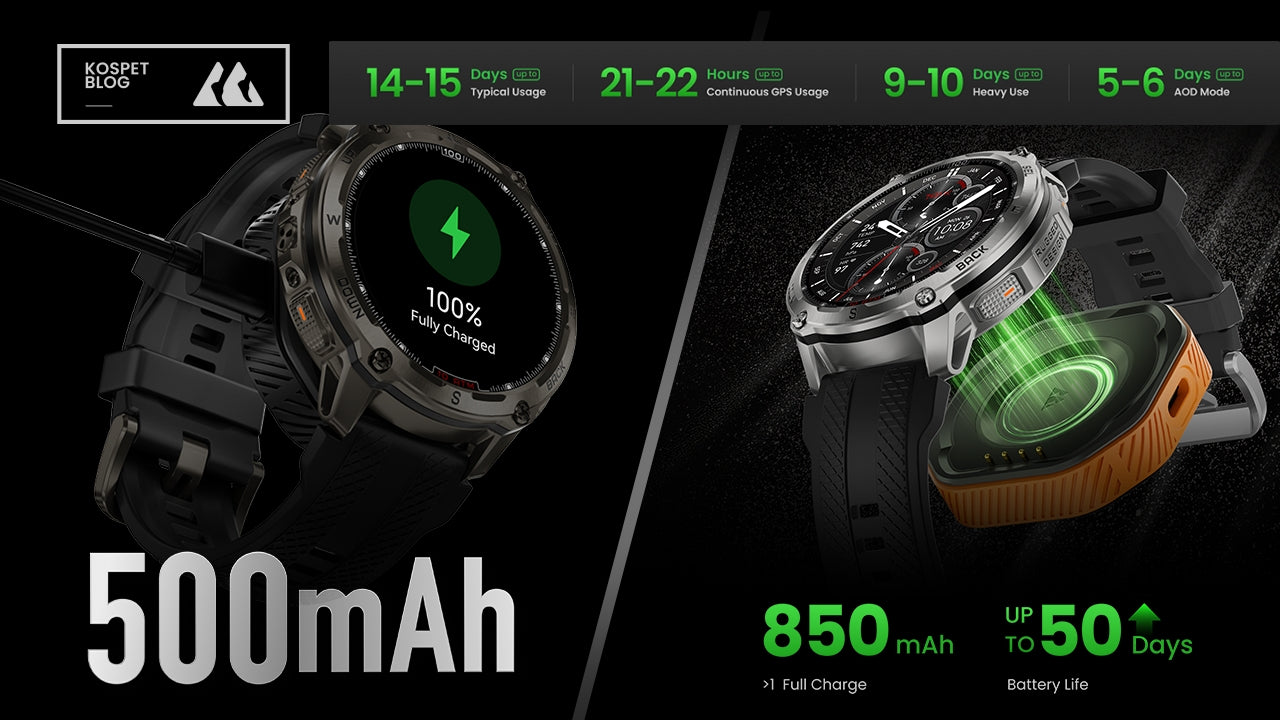
A reliable outdoor watch for backpacking needs at least twenty-four hours of continuous GPS tracking to ensure safety across multiple days of travel.
Most hikers focus on the total standby time of a device, but the real challenge is how much power the watch uses while active on the trail. A watch that dies in the middle of a forest is a safety risk rather than a helpful tool. Choosing the right device means looking for a battery that lasts twenty percent longer than your longest planned day of movement.

How Much Battery Do You Actually Need for Backpacking?
Calculating your battery needs based on the total distance of your trek ensures that your watch remains active until the final mile. Many hikers make the mistake of counting days instead of hours spent moving.
A slow hiker on a steep trail needs more battery than a fast hiker on flat ground because the GPS stays on for a longer duration. You can use a simple mathematical model to predict your energy needs before you leave home.
Required Battery Hours (T) = (Distance / Speed) × 1.2
In this equation, T represents the total hours of GPS battery life you need. Distance is the total length of your route in miles. Speed is your average hiking speed in miles per hour. The number 1.2 adds a twenty percent safety buffer to cover rest stops and navigation challenges.
Using this model helps you choose the right gear for your pace. A fifteen mile hike at a speed of two miles per hour requires nine hours of continuous GPS power. You can find more details on planning your route at the American Hiking Society.
- Short Trails: Most basic watches handle trips under ten miles easily.
- Moderate Routes: Paths between ten and thirty miles require a watch with a strong battery.
- Epic Treks: Distances over thirty miles demand high-efficiency devices and careful power management.
Comparing KOSPET Tank T4 and Tank T3 Ultra 2 for the Wild
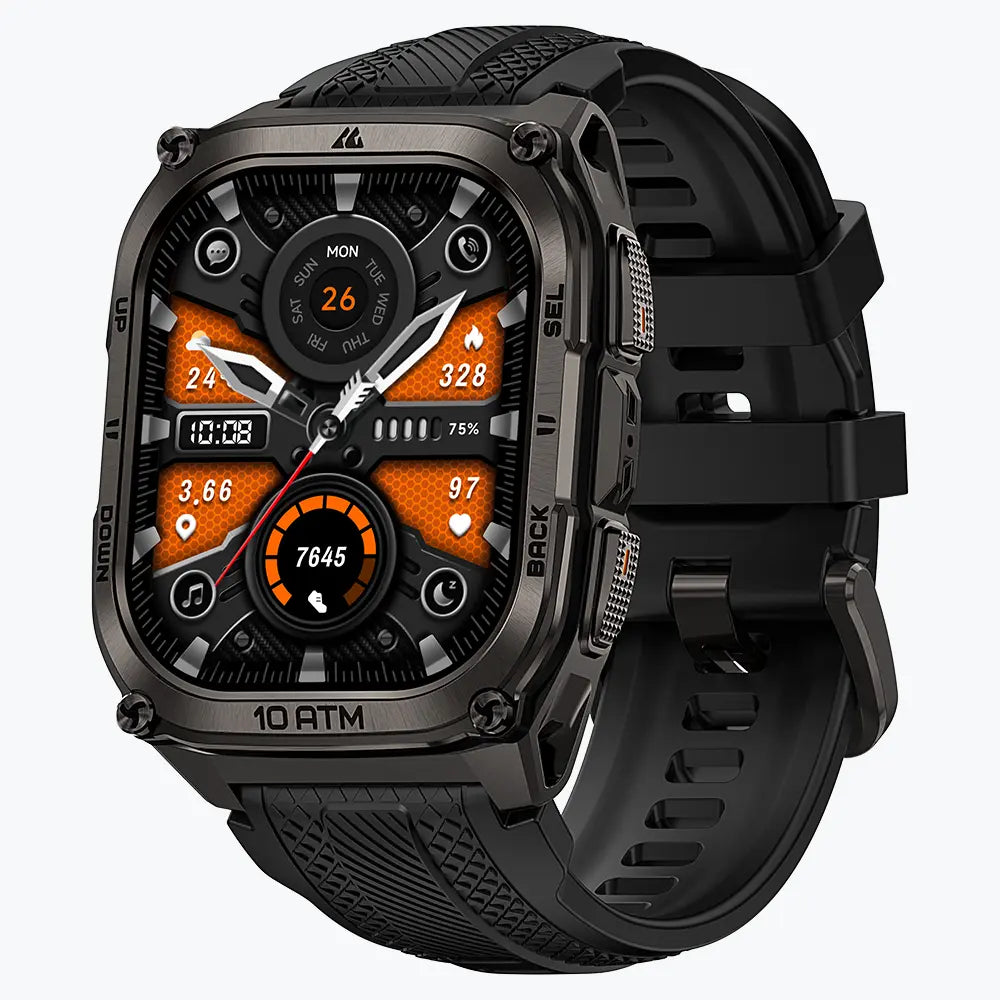
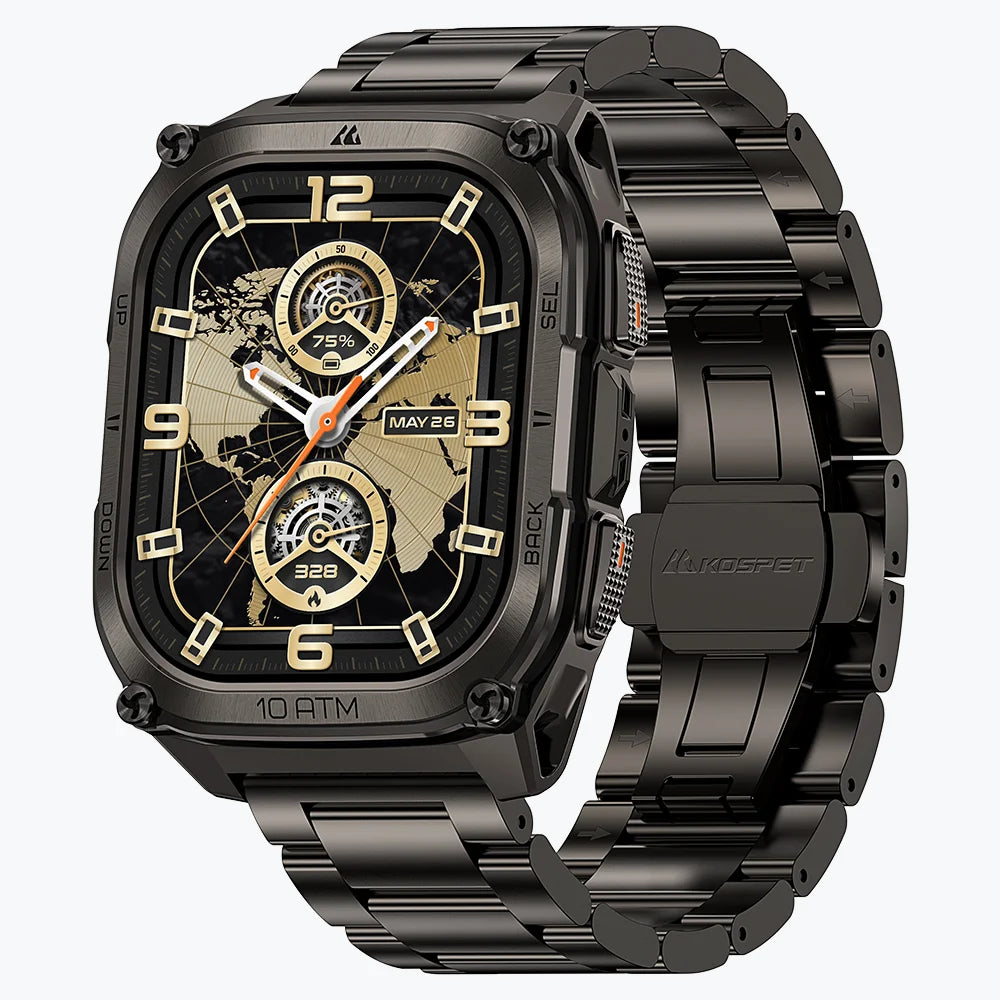
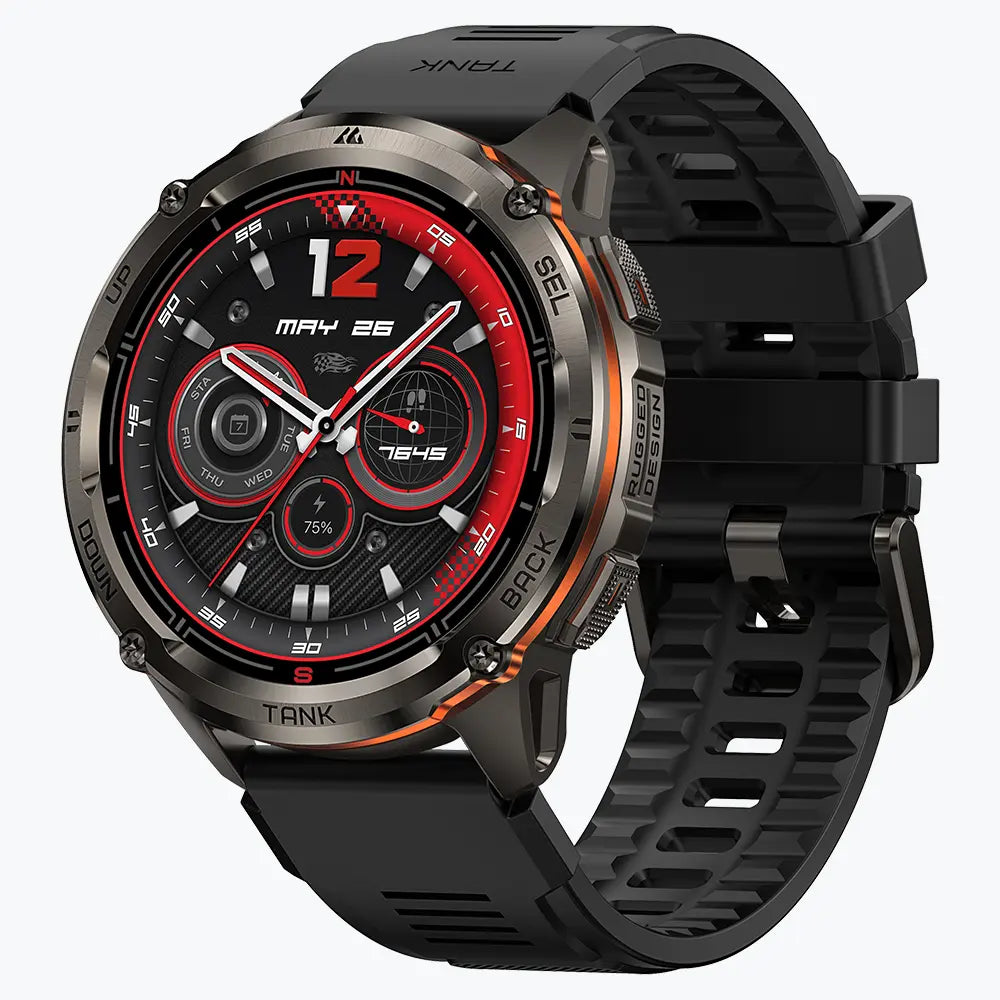
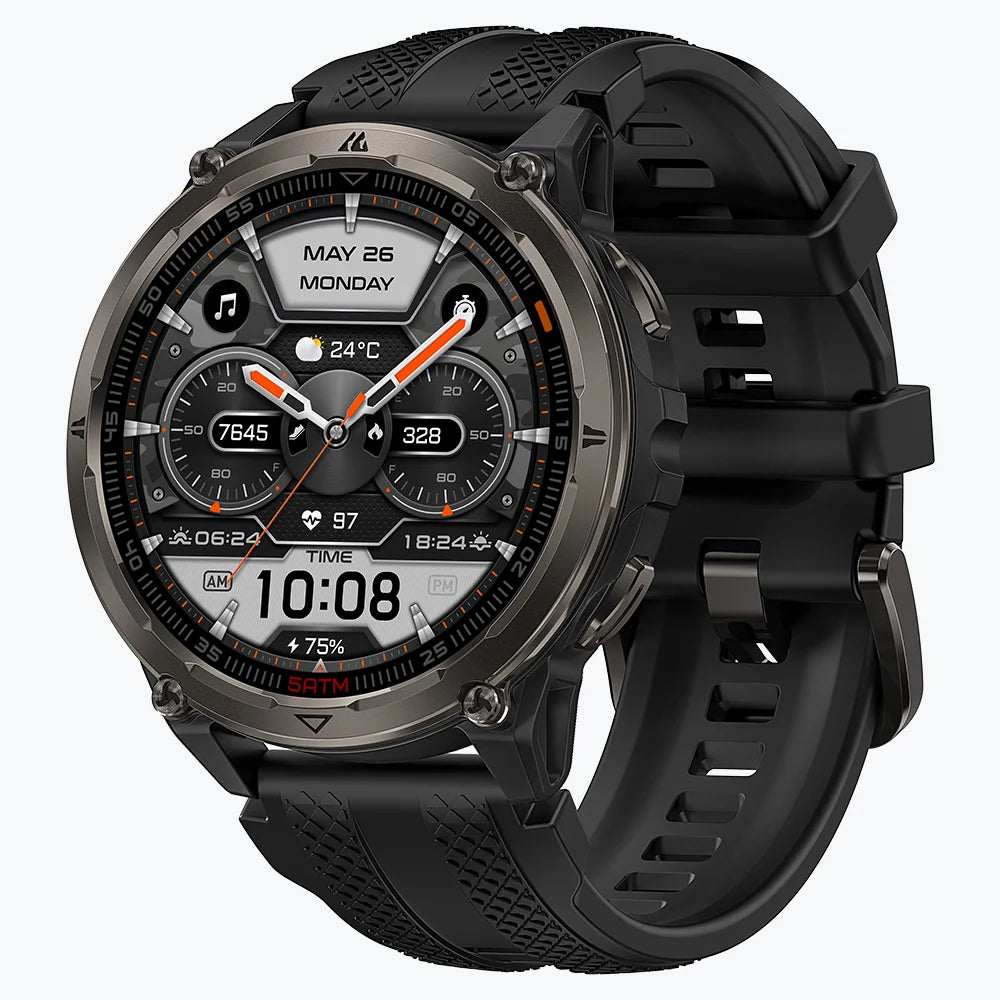
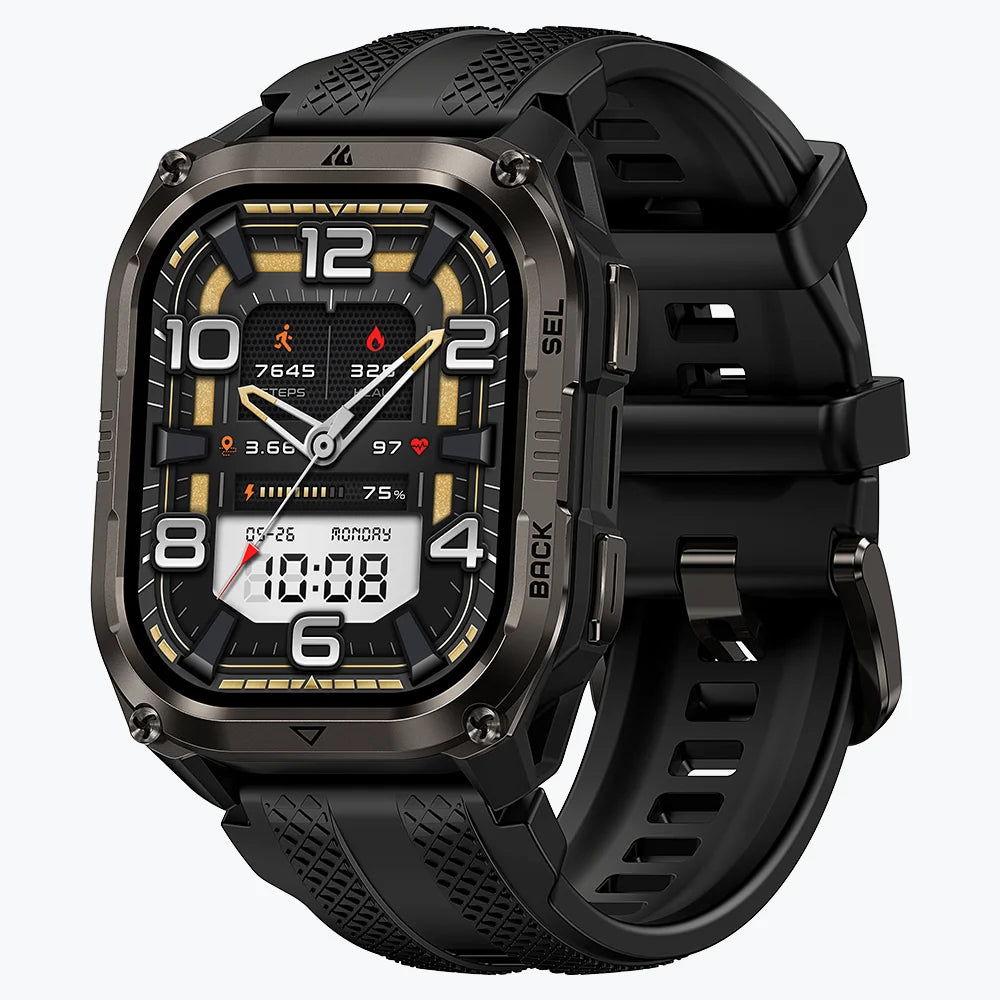
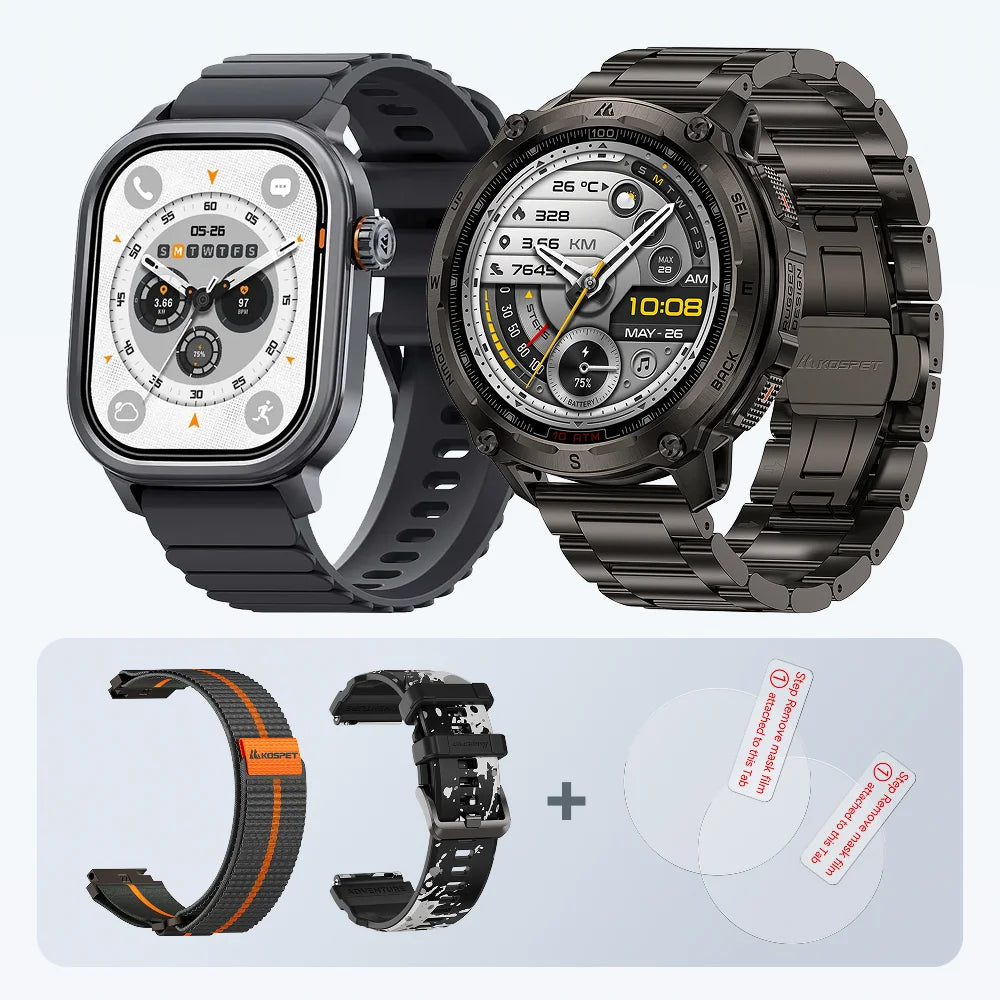
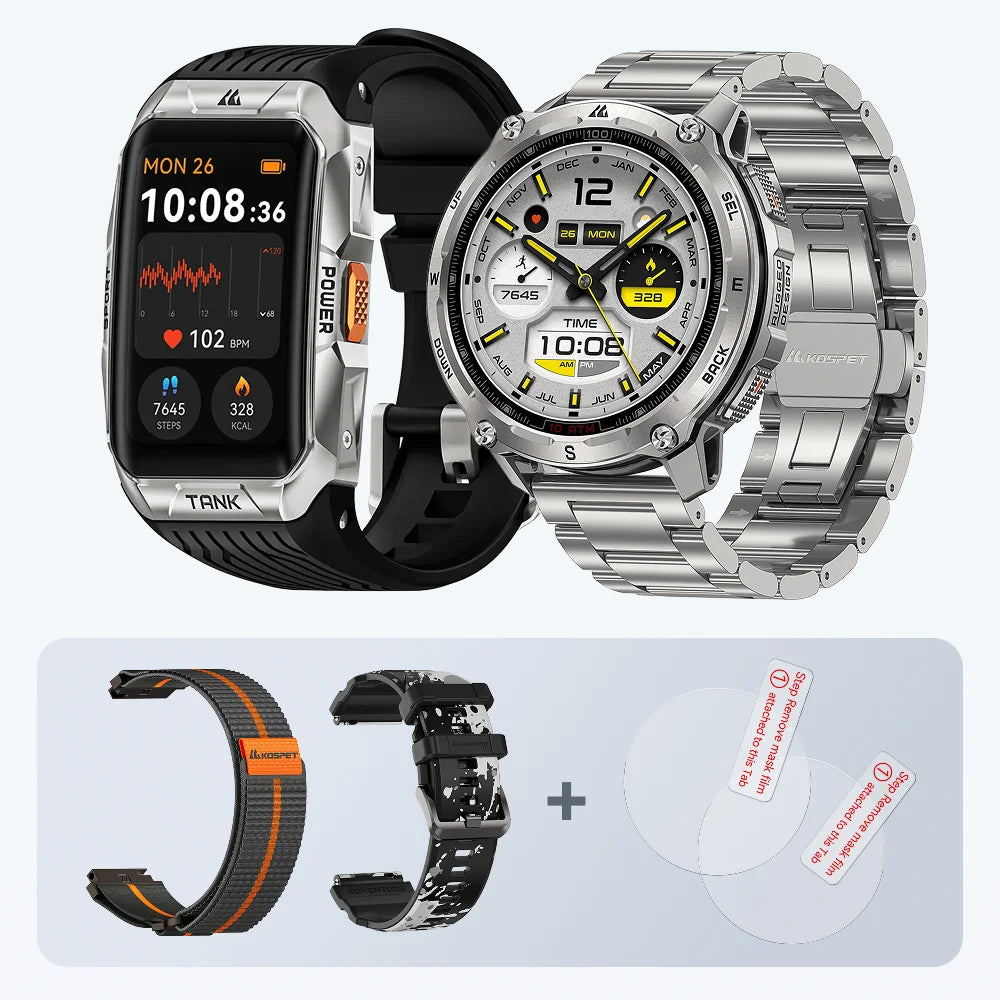
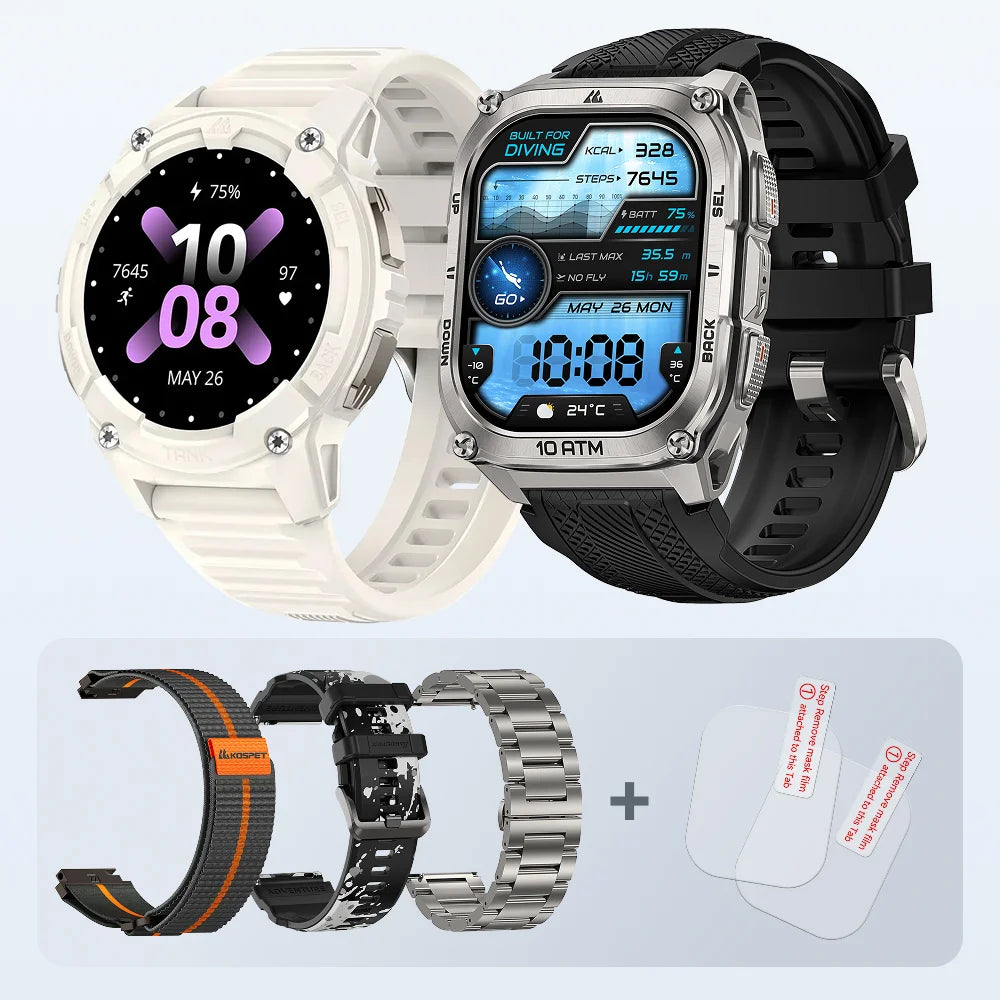
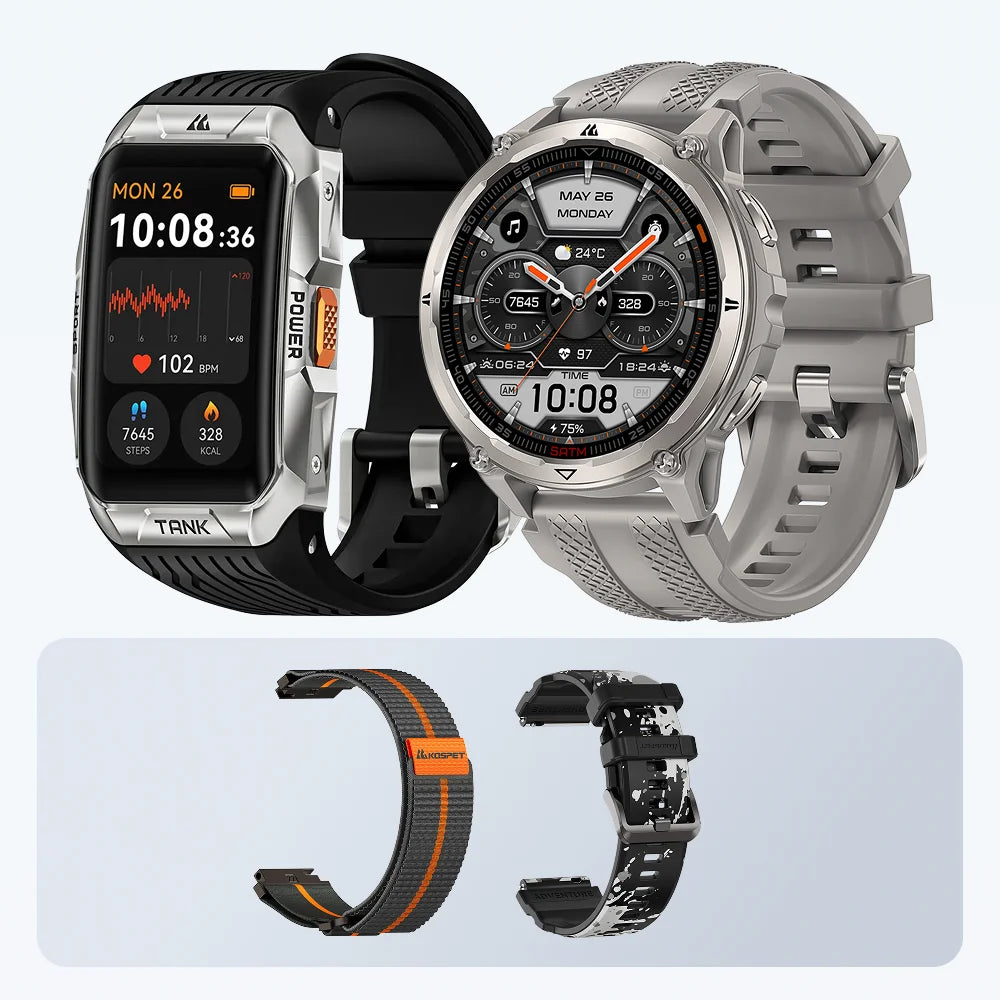
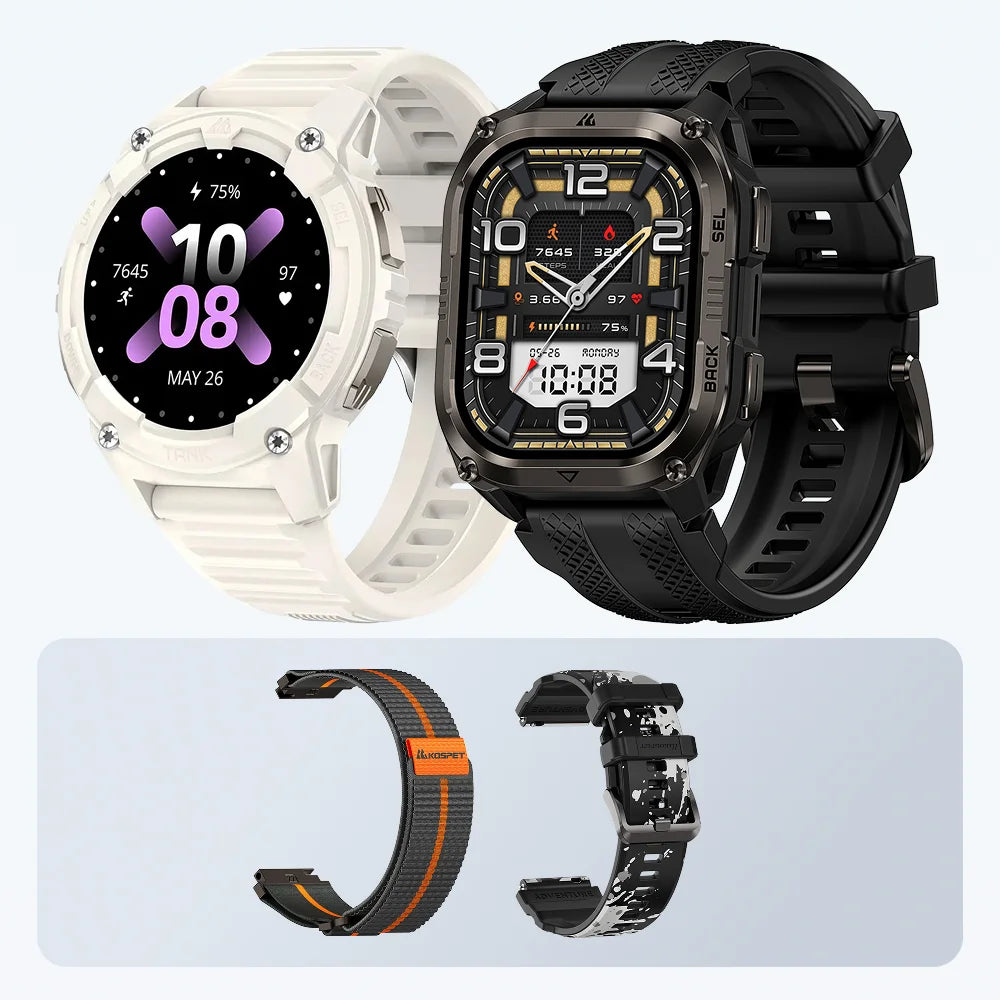
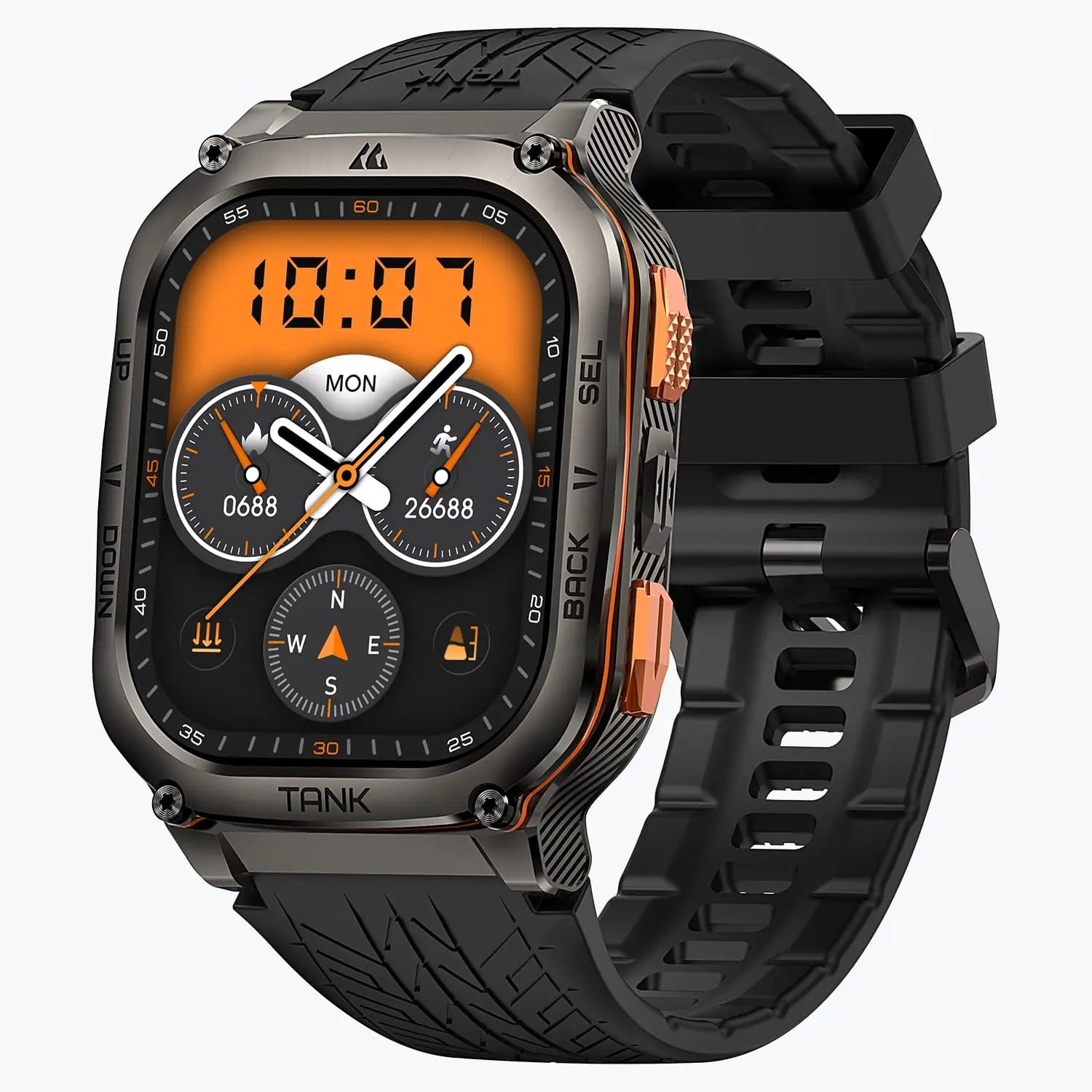
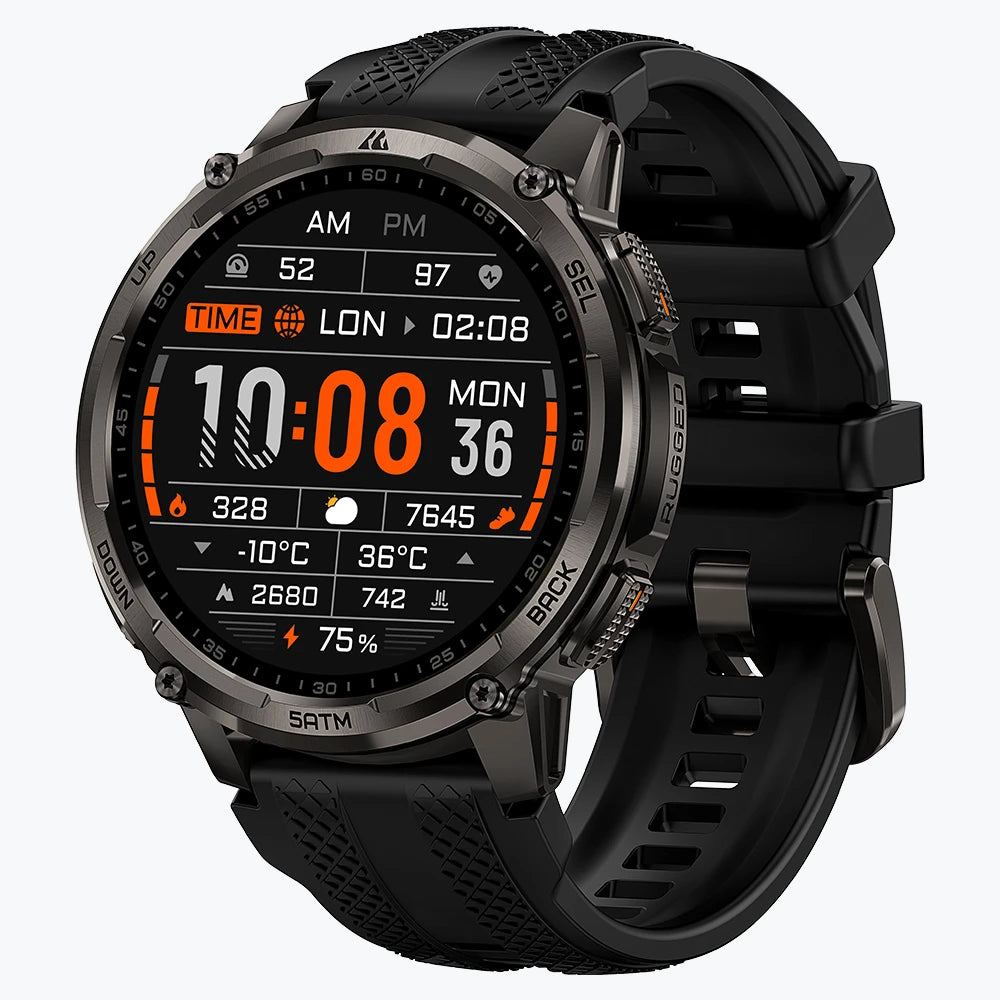
The KOSPET Tank T4 and the KOSPET Tank T3 Ultra 2 offer two specific solutions for different battery needs on the trail. Each model serves a unique purpose based on how you travel. You can find the full technical details on the KOSPET smartwatch.
| Feature | KOSPET Tank T4 | KOSPET Tank T3 Ultra 2 |
|---|---|---|
| Best For | Long-distance endurance | High-precision navigation |
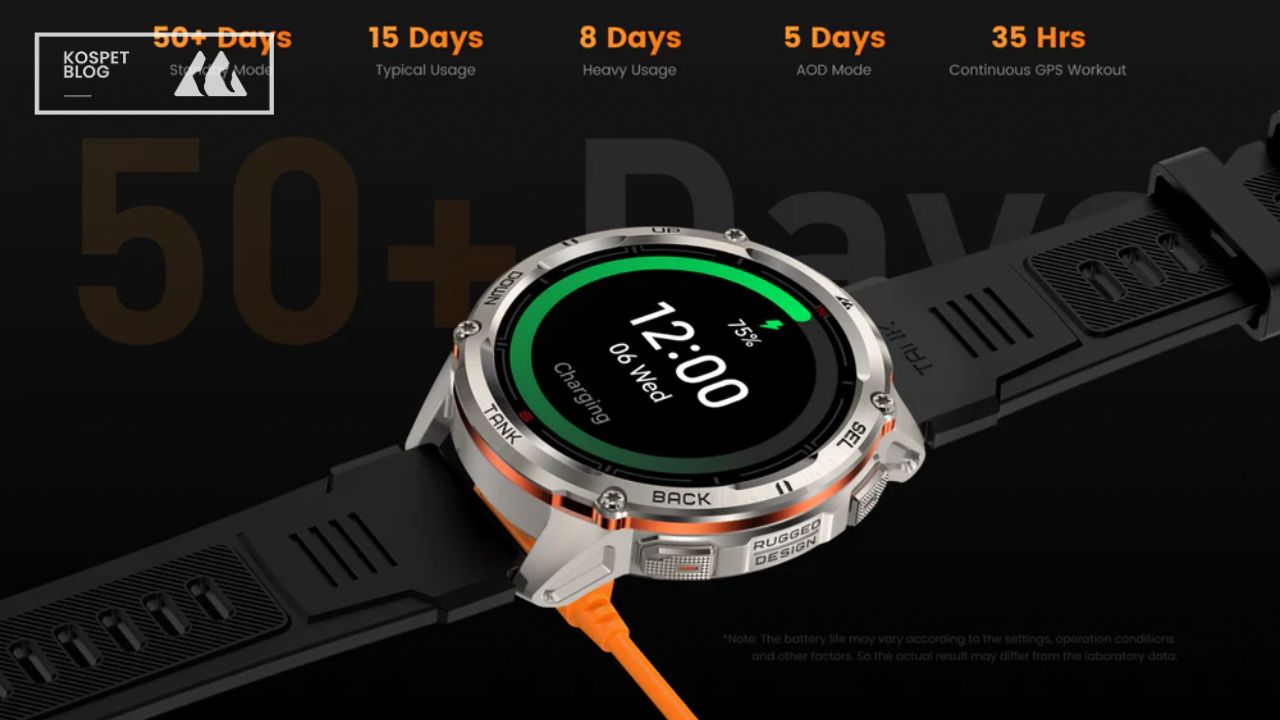
| Daily Use Battery | Over 15 days | Up to 12 days |
| GPS Strength | Single Frequency | Dual-Band High Precision |
| Durability | Rugged Steel Body | Full Aluminum Build |
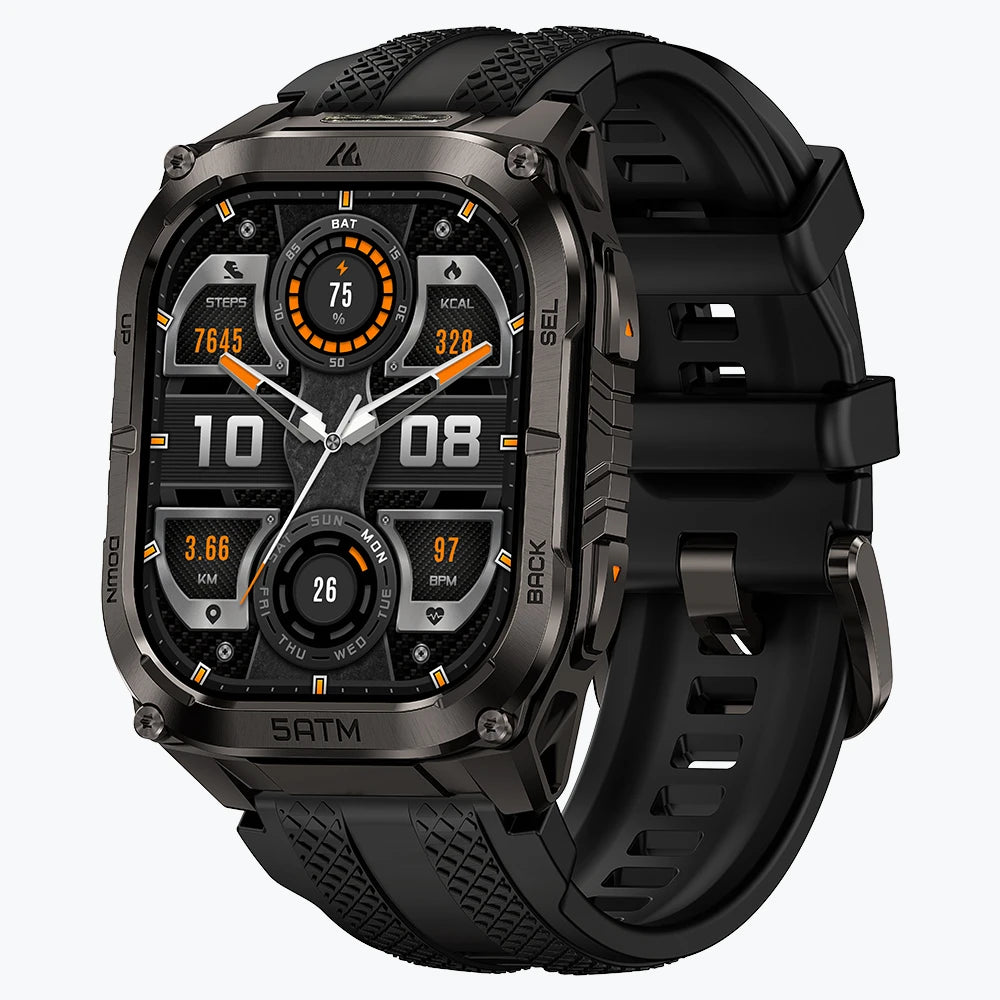
KOSPET Tank T4 is the best choice for hikers who want a simple watch that works for weeks without a charger. This model reduces the weight of your pack because you can leave cables and extra batteries at home.
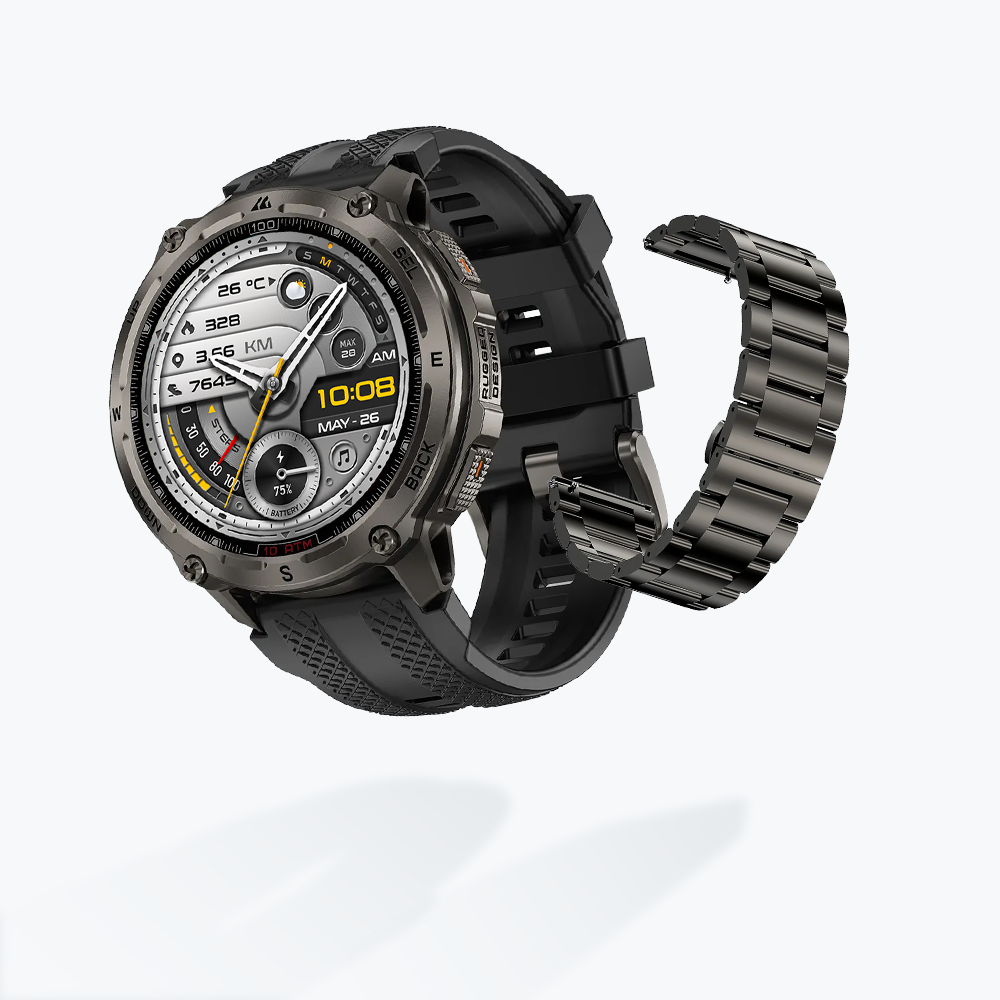
KOSPET TANK T4 Special Edition Smartwatch
219,99 €EUR
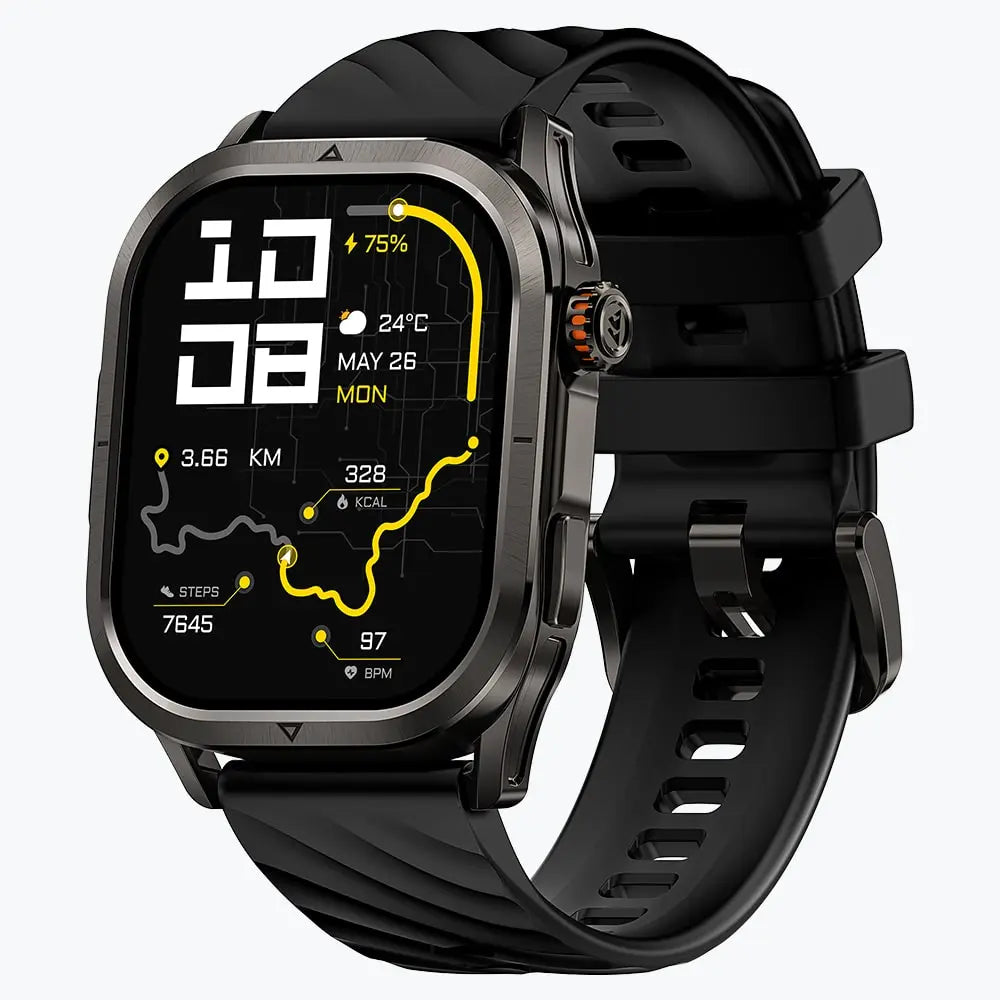
KOSPET Tank T3 Ultra 2 is designed for explorers who need to know their exact location in difficult spots. It uses more power to talk to more satellites, but it ensures your trail map is always accurate in deep woods or mountains.

Essential Features of a High-Performance Outdoor Watch
Physical durability is just as important as battery size because a damaged watch cannot hold a charge. Every outdoor watch should meet the MIL-STD-810H military standards to prove it can survive the hike.
- Heat and Cold Resistance: Extreme temperatures cause batteries to drain faster so rugged watches use insulation to protect the energy cells.
- Waterproof Rating: A 10ATM rating prevents moisture from shorting out the battery during rain or river crossings.
- Efficient Displays: Modern screens use AMOLED technology to provide clear text in the sun while using very little power.
- Tough Glass: Scratch-resistant glass keeps the screen readable so you do not have to waste battery by turning up the brightness.
Factors That Drain Your Adventure Watch Battery on the Trail
Searching for satellite signals is the fastest way to empty a watch battery in the wilderness. When you hike through thick trees or deep valleys, the watch works much harder to find a signal. This extra effort can cut your battery life in half within a few hours.
Cold weather also slows down the chemicals inside the battery which makes the power level drop suddenly at night. Using extra sensors like heart rate monitors or blood oxygen tools adds a constant drain on the internal computer. High-frequency tracking is another major factor because recording your spot every second uses much more energy than recording it every minute.
Pro Tips: Maximizing Battery Life During a Multi-Day Trip
Simple changes to your watch settings can double the amount of time you have on the trail. These methods help you get the most out of your GPS wearable device.
- Disconnect Bluetooth: Turn off the link to your phone to stop the watch from searching for a signal.
- Lower Screen Brightness: Use the lowest setting that allows you to see the map clearly.
- Adjust Wake Gestures: Stop the screen from turning on every time you move your arms with trekking poles.
- Keep it Warm: Wear the watch under your sleeve or keep it in your sleeping bag at night.
- Use Power-Saving Modes: Switch to a mode that pings satellites less often when the trail is easy to follow.
Conclusion
The best outdoor watch is the one that stays powered until you reach your final destination. Hikers who stay on marked paths should choose the KOSPET Tank T4 for its amazing endurance and long-term reliability.
Adventurers who go deep into the mountains need the KOSPET Tank T3 Ultra for its superior tracking and safety features. Matching your watch battery to your specific hiking style ensures that you stay safe and stay on track.
FAQs
Can I charge my watch while the GPS is active?
You can charge most outdoor watches while they continue to record your trail path. Using a small power bank during rest stops keeps the battery full without stopping your data.
Why does the map screen drain the battery so fast?
The watch processor uses extra energy to draw terrain and update your position constantly. You should switch to a simple data screen to save power when the trail is easy to follow.
Does changing the GPS interval save power?
Recording your location every minute instead of every second can triple your total battery life. This change reduces the number of times the watch talks to satellites during your hike.




Leave a comment
This site is protected by hCaptcha and the hCaptcha Privacy Policy and Terms of Service apply.