

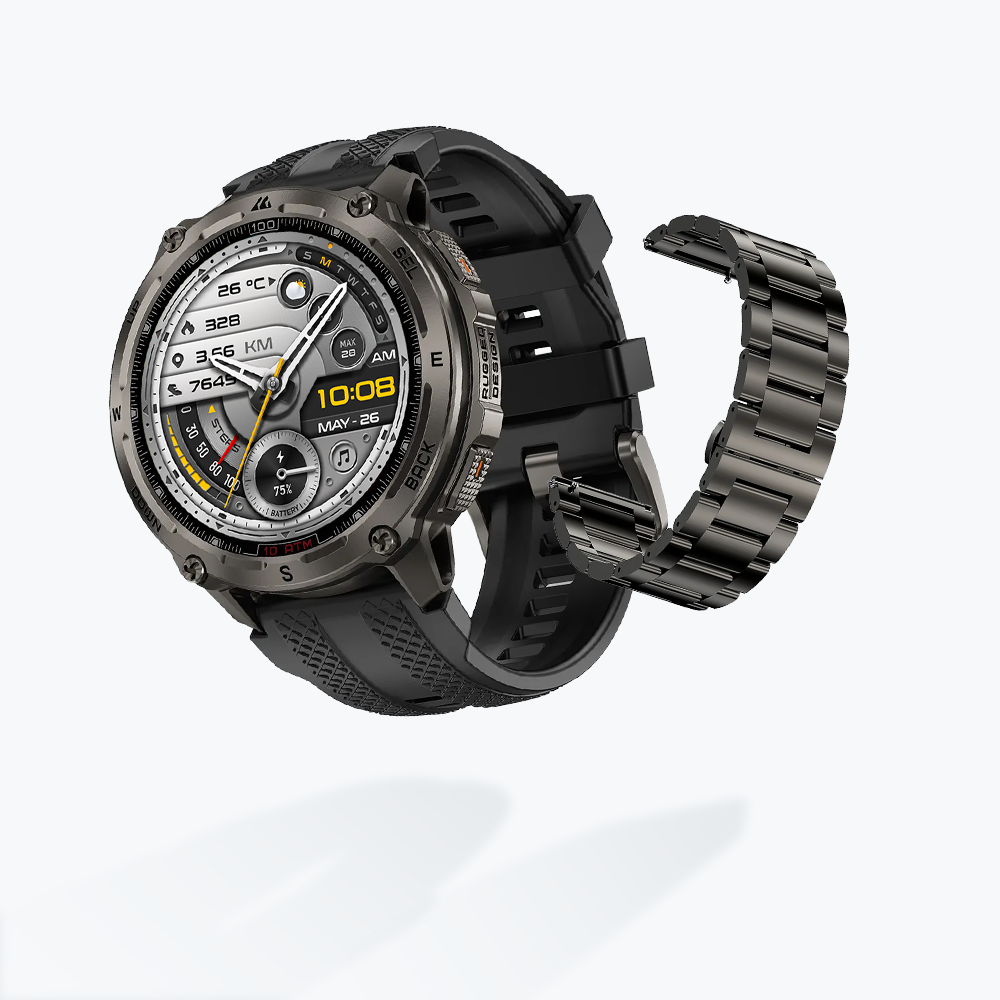
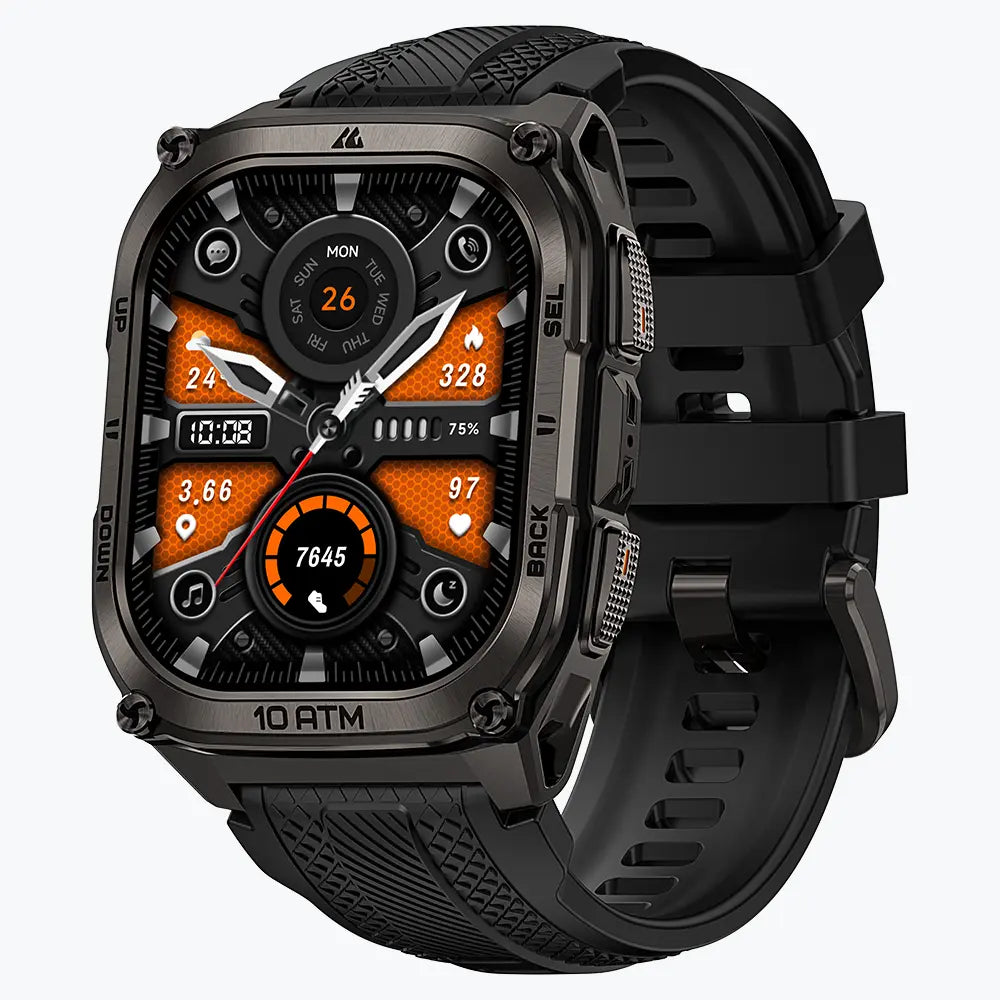
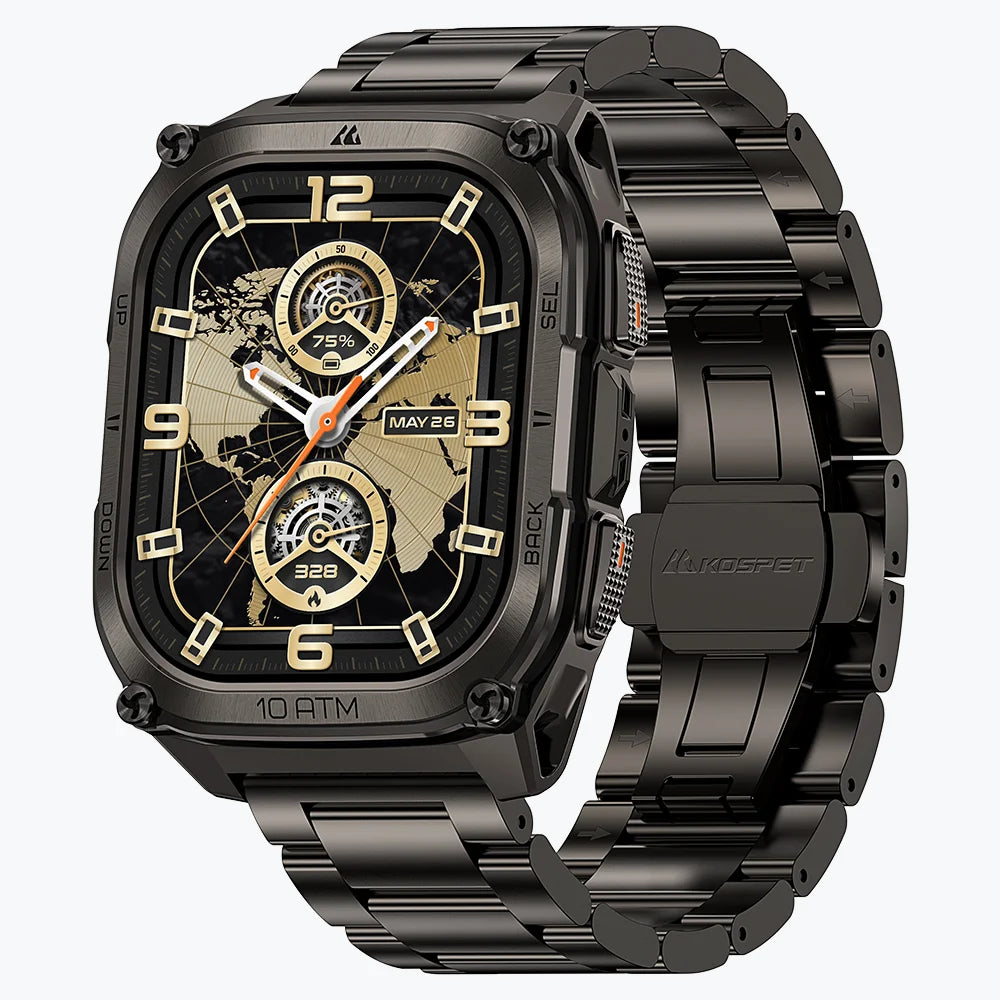
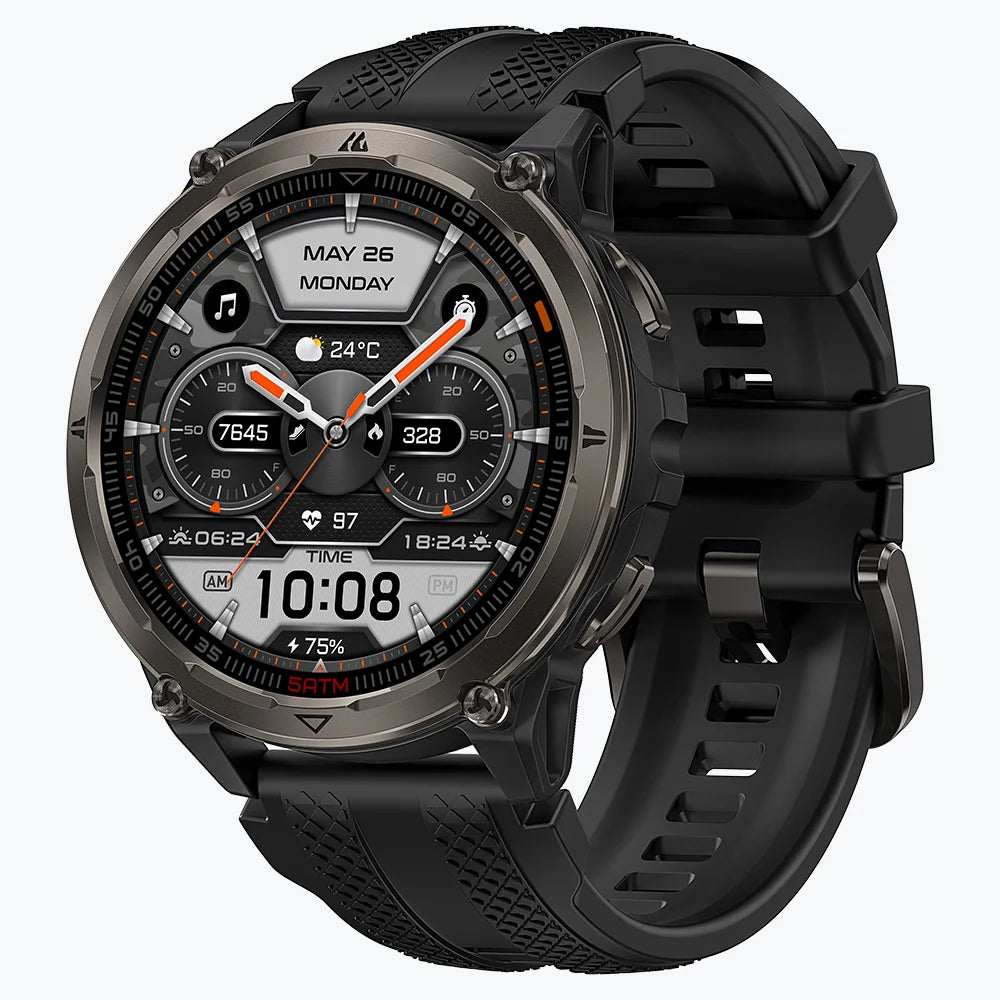
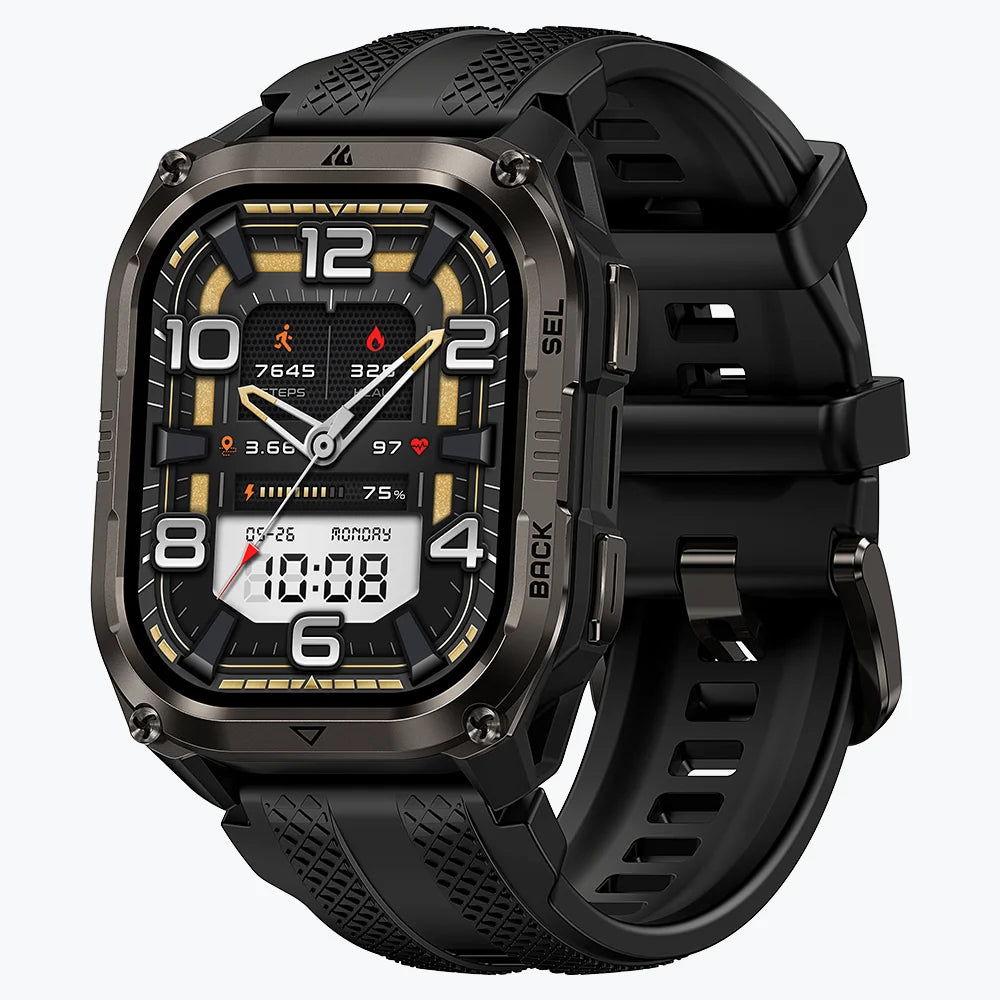
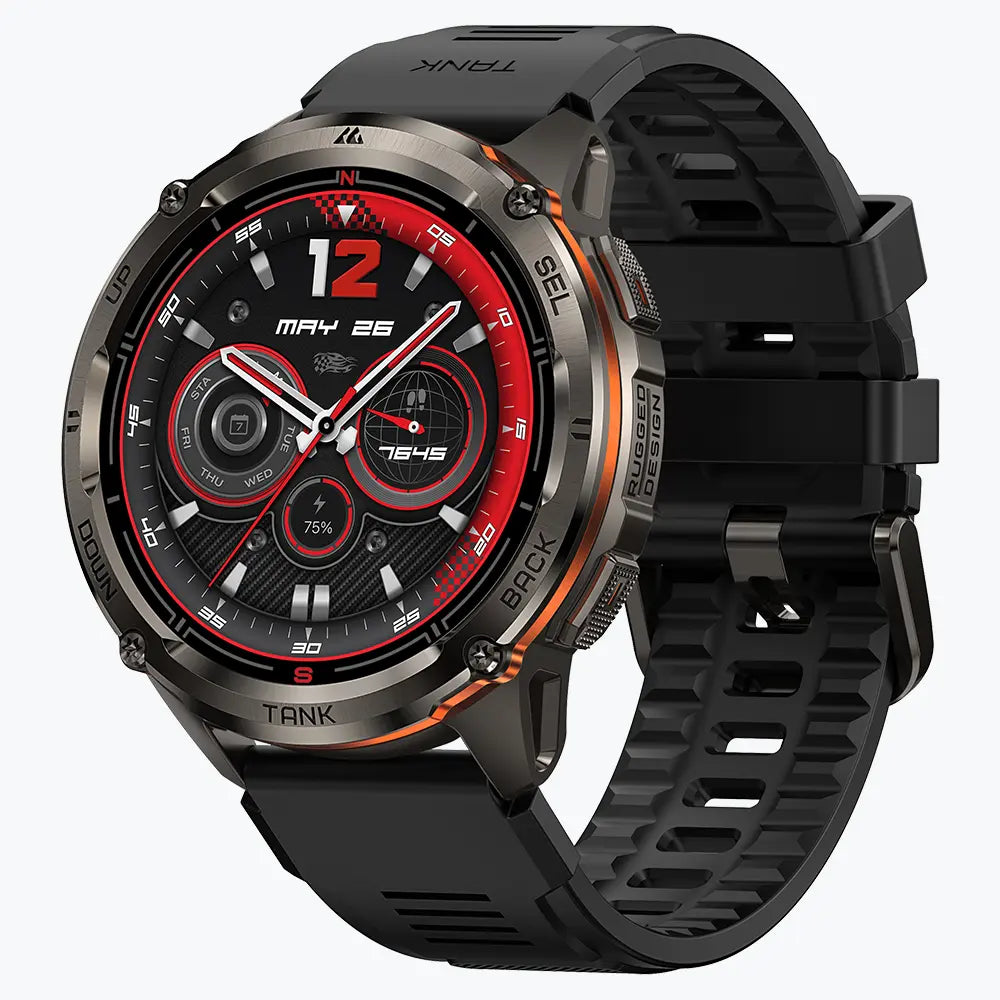
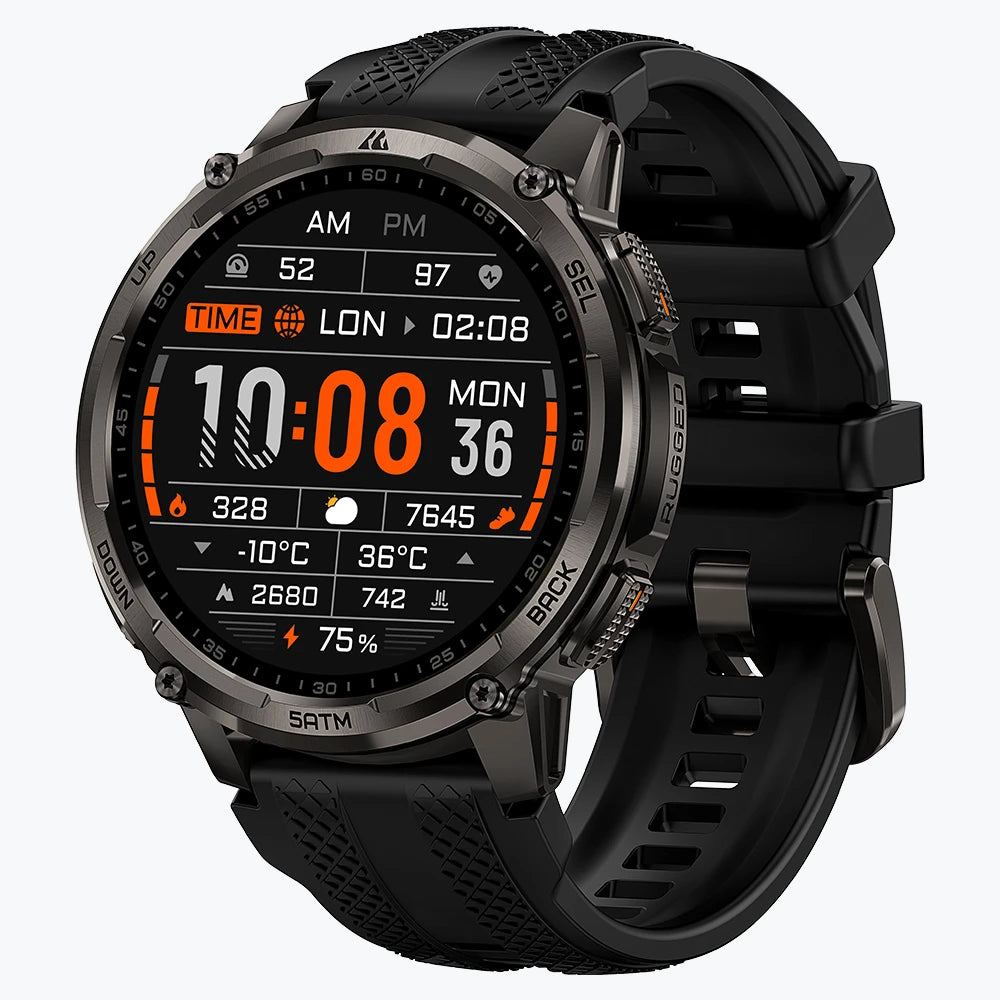
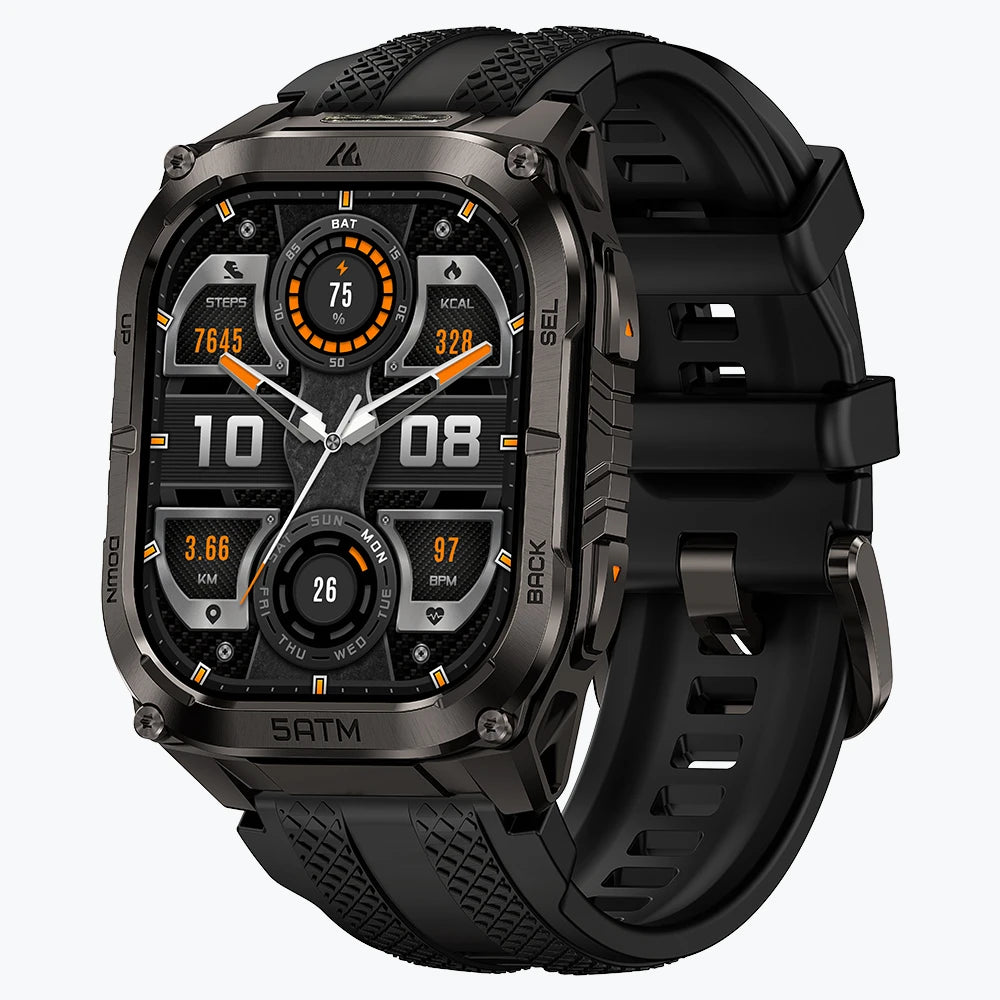
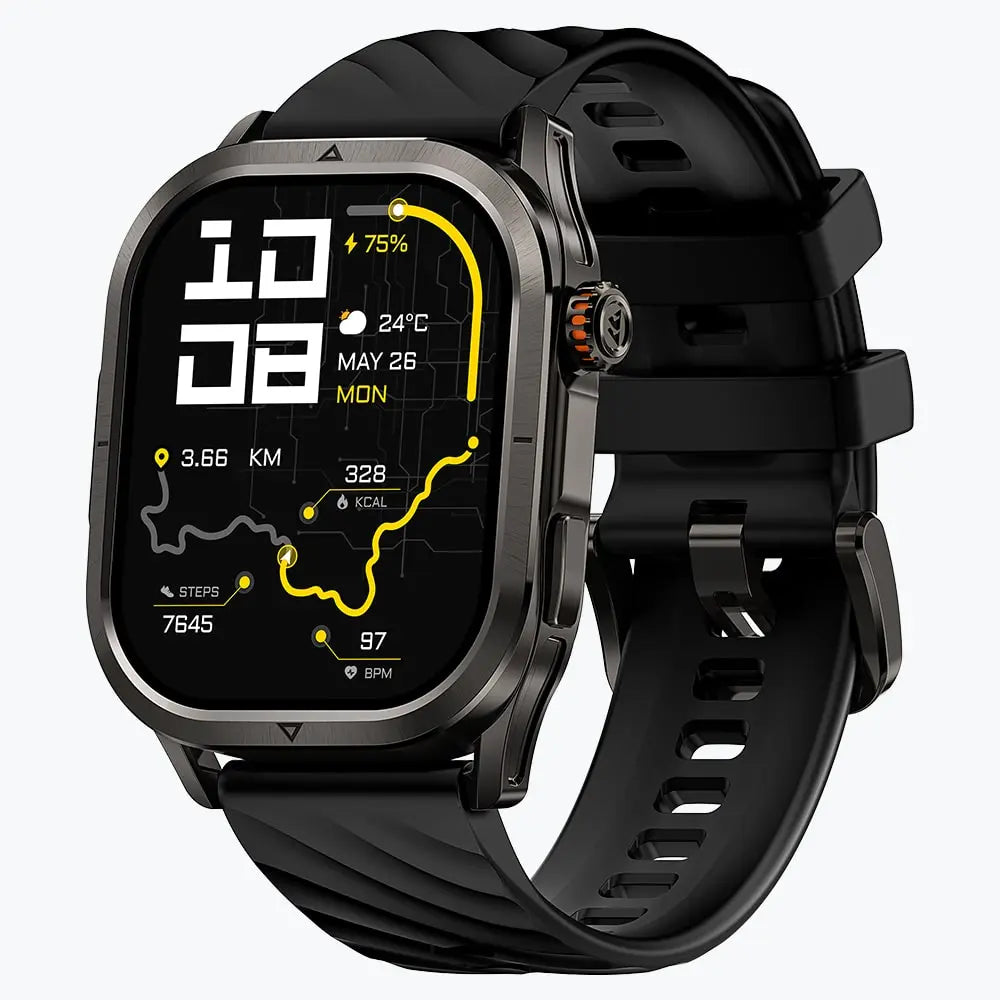


If you have followed KOSPET for a while, you already know the brand is synonymous with durability, but choosing your next outdoor smartwatch from their latest lineup can be a challenge.
While the TANK M4, M3, and M3 Ultra might look nearly identical on a spec sheet, the subtle technical variations lead to very different real-world outcomes. This article simplifies your decision by focusing on the practical differences that will actually impact your daily experience and outdoor adventures.
We focus on three key boundaries to help you decide.
- Independent GPS: Can the watch track you without a phone?
- Route Ability: Does it just record where you went or guide you where to go?
- Water Limits: Is it for swimming or for diving?

Specifications Comparison of TANK M4, TANK M3, and TANK M3 Ultra
This table is not just a list of numbers. We only kept the fields that will change your usage results. You can look at this table and immediately see where the differences lie and if those differences are worth the cost for you.
| Feature | TANK M3 | TANK M3 Ultra | TANK M4 |
|---|---|---|---|
| Built-in GPS | No | Yes, Dual-band | Yes, Dual-band |
| Route Recording | Requires Phone | Watch Only | Watch Only |
| Route Back | No | Yes | Yes |
| Offline Maps | No | No | Yes |
| Real-time Navigation | No | No | Yes |
| Route Import | No | Yes | Yes |
| Water Resistance | 5ATM and IP69K | 5ATM and IP69K | 10ATM and IP69K |
| Dive Modes | Swimming Only | Swimming Only | Freedive, Scuba, Gauge |
| Map Storage | None | Basic | Large Local Storage |
| Battery Typical Use | 10 to 15 Days | 12 to 15 Days | 12 to 15 Days((Up to 30 days of battery life with the included power pocket) |
| Continuous GPS Battery | Not Applicable | 30 to 35 Hours | 25 to 30 Hours |
Here are the hard conclusions from the data above.
The TANK M3 is a daily first device for users who carry their phone everywhere.
The TANK M3 Ultra is a tracking first device for users who run or hike without a phone.
The TANK M4 is a navigation first and water first device for complex environments and diving.
Key Differences That Change Use
The real experience of using a smartwatch comes from its capability boundaries rather than small technical numbers. We will discuss three modules of difference. These are independent positioning, route levels, and underwater limits.
Can the watch work if you leave your phone behind?
The boundary for the TANK M3 is clear. If you leave your phone at home, the watch cannot track your GPS location or map your route. It acts only as a fitness monitor. The TANK M3 Ultra and TANK M4 have a different boundary.
They can take on outdoor tasks even when your phone is not with you. This distinction helps you avoid the risk of buying a watch and realizing later that you must always carry your heavy phone.
The difference between recording a route and guiding a route.
Recording solves the question of where you have been. Guiding solves the question of where you should go now. The TANK M3 Ultra is great at recording.
It tracks your path so you can see it later. The TANK M4 is built for guidance. It has tools to show you the way forward. This section answers why you might pay more for the M4 even though the M3 Ultra also has GPS.
Water resistance ratings represent real limits and safety margins.
The 5ATM rating corresponds to a limit suitable for swimming and daily water contact. The 10ATM rating on the M4 represents a higher safety margin against water pressure. It also defines a clear boundary for underwater usage.
This helps you decide if you actually need the professional grade protection of 10ATM or if 5ATM is enough for your needs.
GPS Tracking and Route Guidance Differences
This section is a major decision helper. It clarifies the points that users most often confuse. We want to stop you from buying the wrong model based on a misunderstanding of navigation.
First we must define two terms so you do not misunderstand them.
GPS Tracking means the watch records your movement data and draws a line of where you walked.
Route Guidance means the watch helps you make decisions about direction using maps or prompts.
These are not the same thing. The difference directly affects which model you should look at.
The TANK M3 has a clear boundary regarding routes. It relies entirely on your phone for location data. It is not designed to be a route tool. Its advantage is that it puts all its resources into being a stable daily companion. It is perfect if you run on familiar streets where you do not need directions.
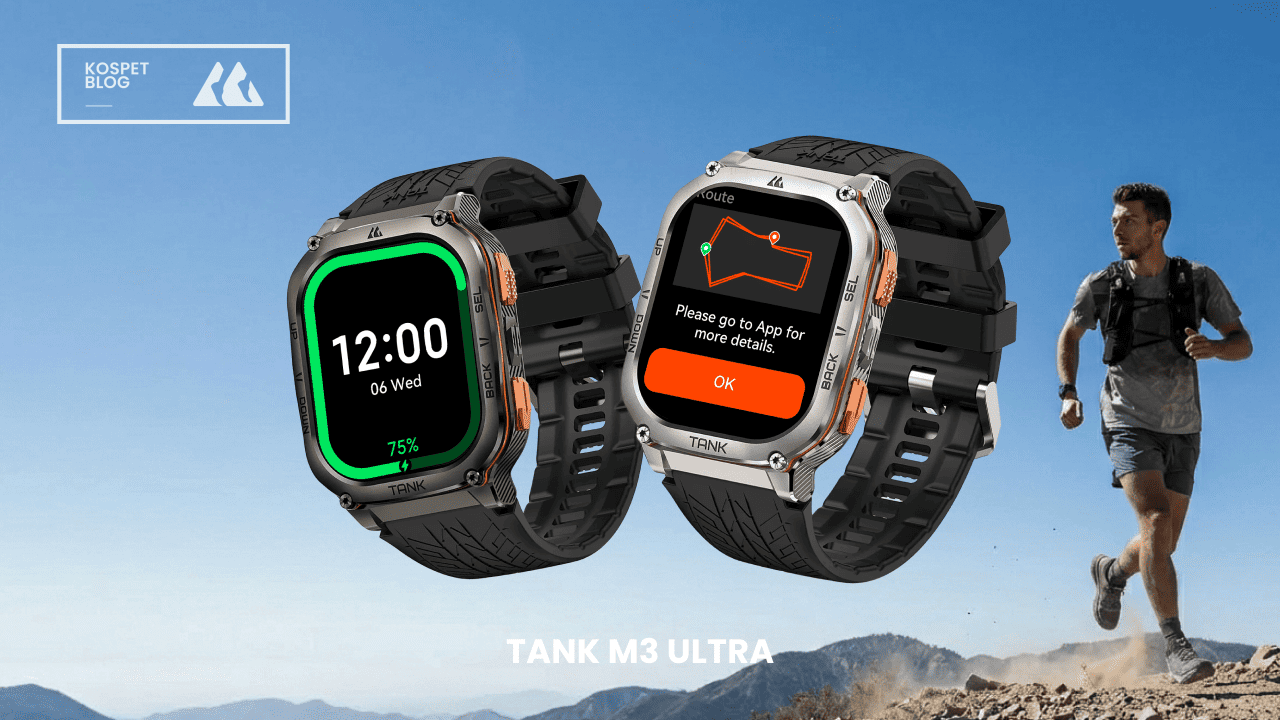
The TANK M3 Ultra focuses on tracking capabilities. It can record your track independently. It also features Route Back. This feature helps you find your way back to your starting point by following a simple line. Its advantage is reliable recording and independence from the phone. It is great for tracking your exercise data in the wild.
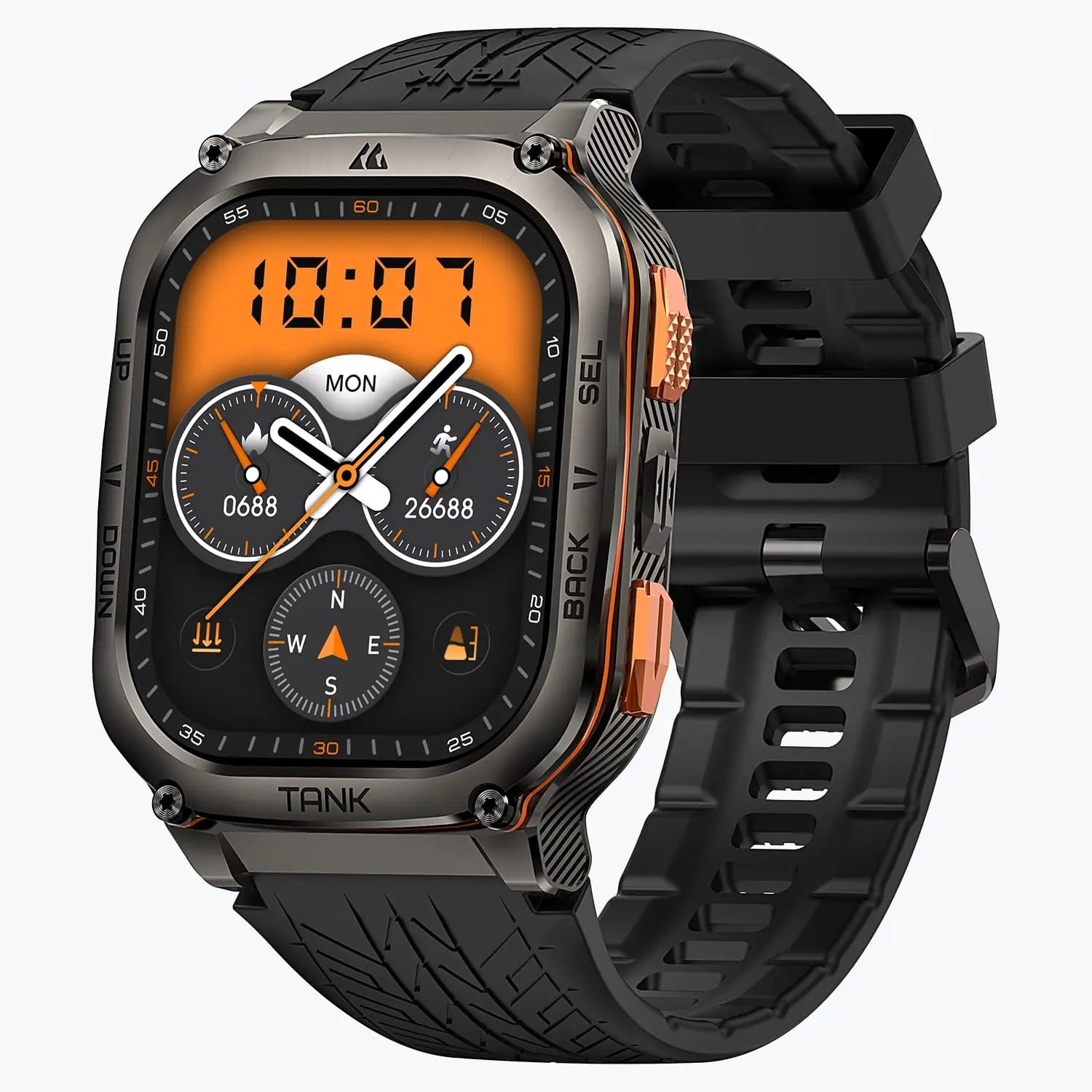
KOSPET TANK M3 ULTRA Smartwatch
104,99 €EUR
The TANK M4 focuses on the full navigation toolchain. It supports offline maps and route import. This means you can download a map to the watch and see the terrain on your wrist. It can tell you where to turn at a fork in the road. Its advantage is the ability to make judgments on the road. It is the right choice if you explore complex routes or new areas.

Battery Performance in Daily Use and Outdoor Use
We must look at battery life in the correct context. Daily battery life and outdoor GPS battery life follow two different sets of logic. If you mix them up, you will make the wrong judgment. We will only discuss the differences that will change your charging rhythm.
In daily use mode, your experience depends on notifications and health monitoring. Factors like screen brightness, heart rate monitoring, and sleep tracking affect how long the battery lasts.
The TANK M3 is very stable in this mode because it does not have the heavy power drain of searching for GPS signals. The M3 Ultra and M4 are also efficient, but users tend to use them more actively, which changes the result.

In outdoor positioning mode, the difference widens. Continuous GPS use drains battery power significantly. This is a rule of hardware.
The M3 Ultra uses power primarily to track your location.
The TANK M4 uses power to track your location and also to render complex maps on the screen.
This is why the M4 might consume power slightly faster during heavy navigation tasks. You should not ignore this real difference just because the typical specs look similar.
| Scenario | Typical Days | Continuous GPS | Reason for Difference |
|---|---|---|---|
| M3 | 10 to 15 | N/A | No GPS hardware to drain power. |
| M3 Ultra | 12 to 15 | 30 to 35 Hours | Uses power only for tracking data. |
| M4 | 12 to 15 | 25 to 30 Hours | Uses power for tracking plus map display. |
Water Resistance and Underwater Use Limits
We should treat water resistance as a strict boundary rather than a marketing number. The rating tells you the limit of where you can safely take the watch. This section gives you clear usage boundaries.
The 5ATM and IP69K rating creates a confidence range for daily life. This includes rain, washing hands, and swimming in shallow water. The premise of 5ATM is that it is enough for most people. It is safe as long as you do not use it in high pressure water environments for a long time.
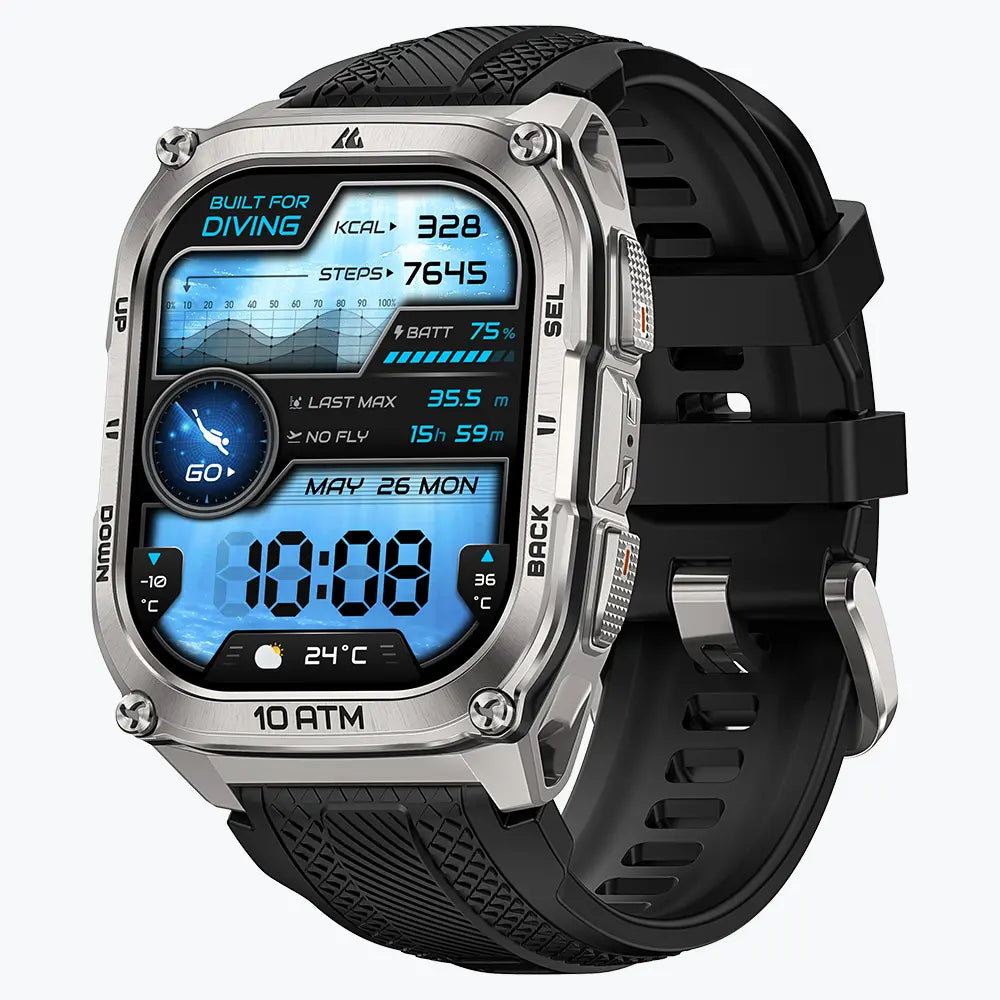
The 10ATM rating on the M4 offers a higher safety margin. It also enables specific underwater positioning capabilities. It is not just a number. It works with the dive features to create a new level of underwater ability. If you engage in water sports that involve speed or depth, the 10ATM rating gives you the necessary peace of mind.
Dive Features on TANK M4
We are writing this section separately because dive features are an exclusive value point for the M4. These features are not just health monitoring add ons. They are tools that solve specific tasks underwater.
The M4 offers three distinct dive modes.
- Freedive mode focuses on recording key data like depth and time for breath hold diving.
- Scuba mode helps monitor your dive process.
- Gauge mode acts as a basic instrument to show you current information without complex calculations.
The watch provides the information and safety checks you need while you are underwater.
This explains why the M4 is defined as the top tier for water usage. It combines the 10ATM physical structure with the software to make that structure useful. If you do not dive, these features might be extra weight. If you do dive, they are essential.
Which Model Fits Which Use Scenario
This table will help you make your final decision quickly. You do not need to guess. Just match your main activity to the row in the table. This will show you the model that fits your needs and avoids the risk of buying the wrong capabilities.
| Use Scenario Focus | What You Need the Watch To Do | Capability Boundary That Matters | Recommended Model |
|---|---|---|---|
| Daily Rugged | Last a long time and survive bumps | No GPS needed and relies on phone | TANK M3 |
| Outdoor Tracking | Record my run or hike accurately | Independent Tracking with Route Back | TANK M3 Ultra |
| Navigation and Dive | Guide me on trails and survive diving | Offline Maps and 10ATM Water Rating | TANK M4 |
The TANK M3 is the best value if you just want a tough watch.
The TANK M3 Ultra is the best choice if you need accurate data for your sports.
The TANK M4 is the necessary choice if you need maps to guide you or plan to go diving.
FAQ
Do I need to carry my phone to track my route?
For the TANK M3, yes. For the TANK M3 Ultra and TANK M4, no. They have built-in GPS to track you without a phone.
Which watch can show me a map on the screen?
Only the TANK M14 supports offline maps and navigation. The TANK M3 Ultra records your path but does not display full maps.
Can I use these watches for diving?
Only the TANK M4 is designed for diving (10ATM). The TANK M3 and M3 Ultra are safe for swimming but not for diving.





Leave a comment
This site is protected by hCaptcha and the hCaptcha Privacy Policy and Terms of Service apply.