



A hiking sports watch needs to be boring in the best way: it works, every time, for hours. The goal is simple—keep your route, time, and safety data steady when the trail gets messy.

What “Reliable” Means in a Hiking Sports Watch
Reliability on a hike means the watch keeps working when the environment gets worse.
On real trails, problems come from tree cover, canyon walls, cold wind, wet sleeves, and long hours, not from a lack of “features.”
Reliability also means fewer “silent failures.” A watch can look fine, then record a crooked GPS track, miss parts of the route, or die early because GPS stayed on for too long.
GPS That Stays Trustworthy Under Trees and Cliffs
Good hiking GPS is about staying close to the real trail line, not about perfect numbers on a spec sheet.
Dense canopy and rocky walls cause signal blocking and reflections, which can push a recorded track away from the real path.
A University of Washington field study notes forest canopies can reflect and block signals, and reports multipath-related errors that can reach about 230–260 feet (around 70–80 meters) in some cases.
A trustworthy hiking watch reduces these “bad-signal” moments.
That usually means stronger GNSS handling more constellations, better processing, and in some models dual-frequency, plus a navigation method that still helps when GPS gets noisy.
Tip: Treat “GPS accuracy” as a trail problem, not a lab problem. The real test is tree cover + switchbacks + cliffs, because that’s where tracks drift most.
Navigation That Helps When the Trail Gets Confusing
Navigation matters because hikers lose time and energy when they stop to re-check the route.
The watch should support a clear way to stay on track: offline maps, route lines, or route-back style retracing.
A simple rule works: maps help when you need context, and route-back helps when you need to return the same way.
Maps show nearby trail shapes, forks, and terrain context, while route-back focuses on following the same path you already walked.
Battery Life That Matches Real Hike Time
Real hiking battery needs to be measured in GPS hours, not only “days.”
A watch that lasts “two weeks” in daily use can still struggle on a long hike because continuous GPS drains power fast.
A practical battery target is “finish the hike with margin.”Long hikes often run 8–12 hours of active time, and hikers also want time for pauses, photos, and safety checks. A good watch plan leaves extra battery so the last miles are not a stress test.
Tip: Pick a watch by continuous GPS runtime, then aim for a buffer that covers a full-day hike plus extra time for delays.
Water Resistance That Survives Rain, Sweat, and River Splashes
Water resistance for hiking is about staying sealed after hours of wet use, not about deep diving.
Rain, sweat, and repeated sleeve wiping put water pressure and moisture into small gaps over time.
Ratings also have standards behind them.For example, Apple notes some watches are rated to 50 meters under ISO 22810:2010, which is a water-resistance standard for watches.
A simple outdoor reading helps.Many watch guides describe 5 ATM / 50 m as fine for daily water exposure and light water use, while 10 ATM / 100 m is commonly treated as safer for swimming and more water exposure.
Durability That Holds Up to Drops, Dust, and Cold
Durability matters because hiking involves constant small hits.
Rocks, trekking poles, pack straps, and carabiners create scratches and impacts that add up.
A durable hiking watch also needs stable outdoor readability.
Bright daylight, glare, and quick glances demand a screen that stays readable without fiddling.
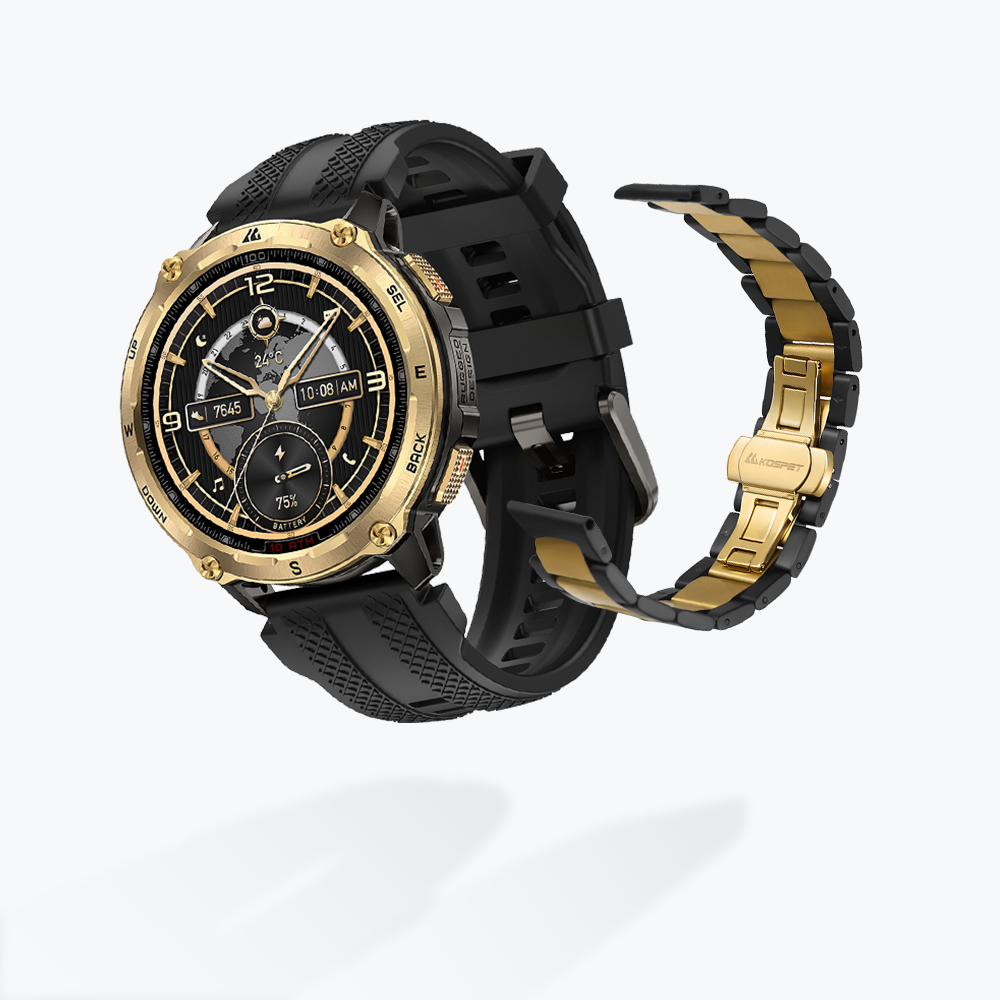
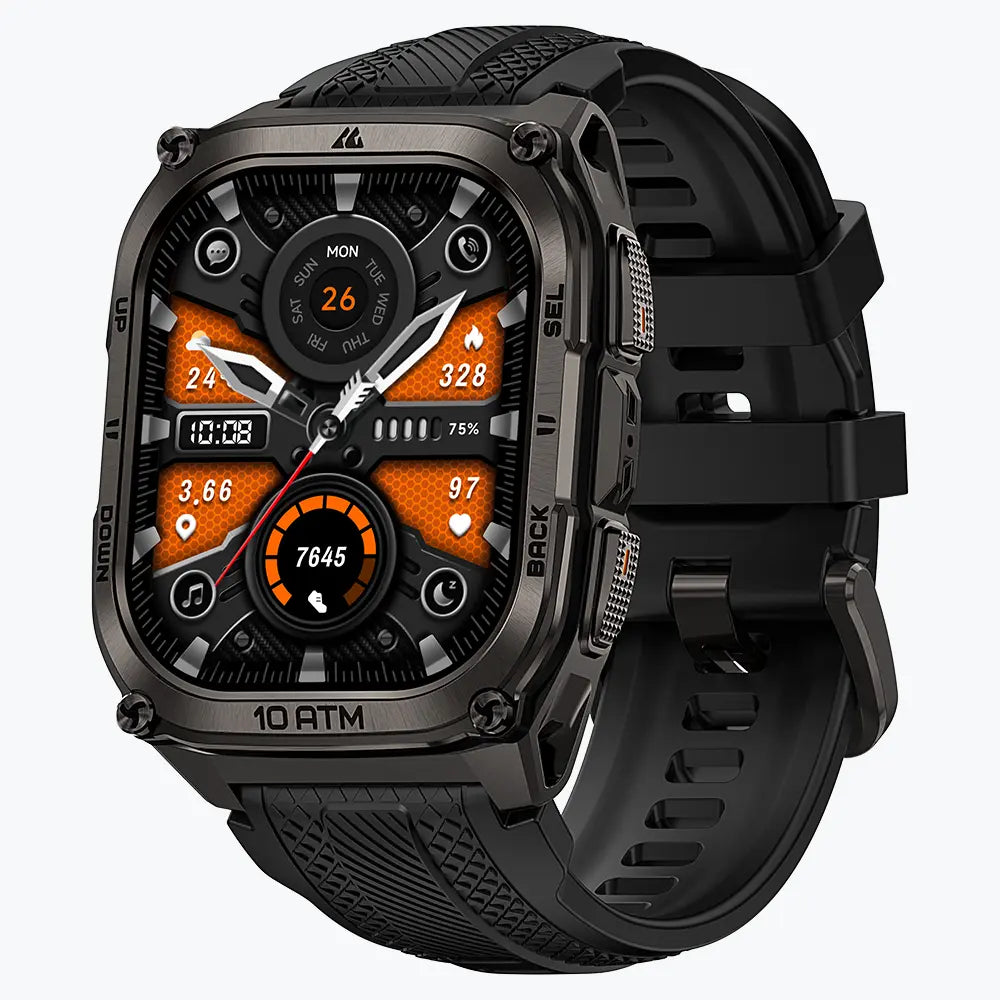
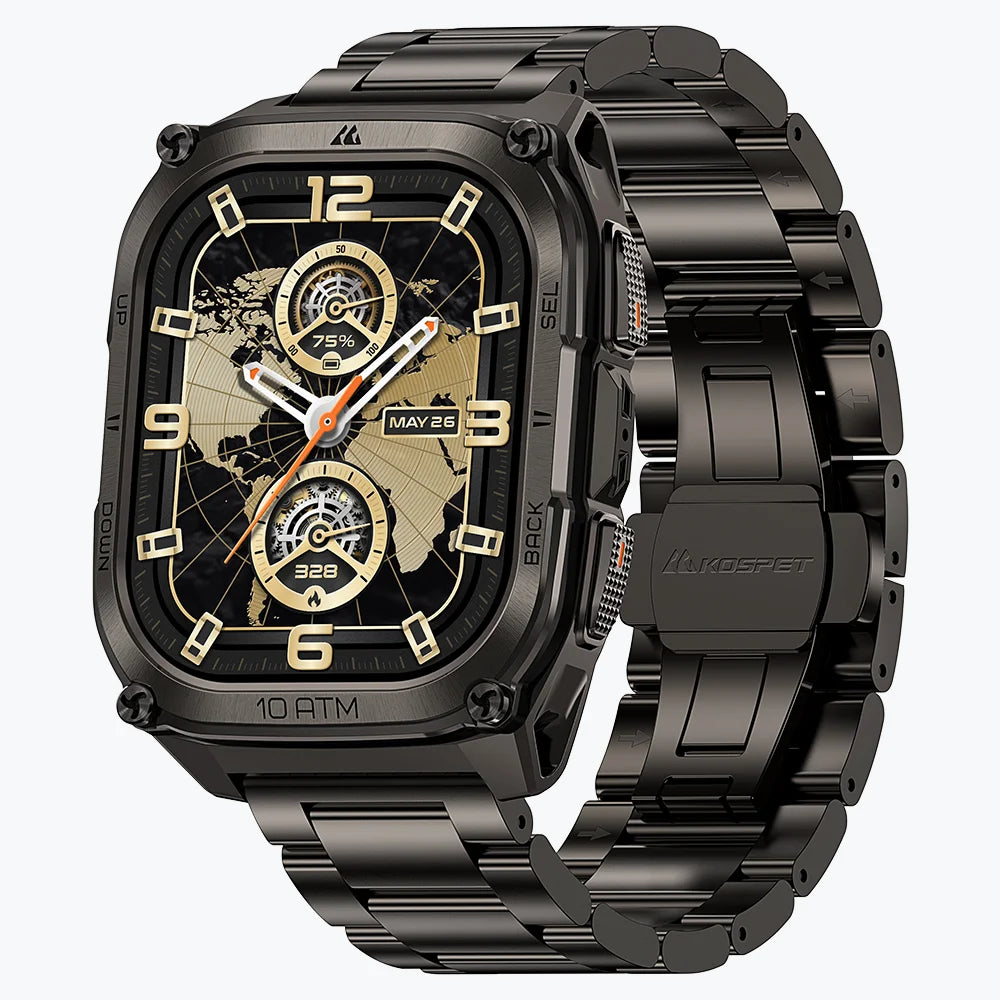
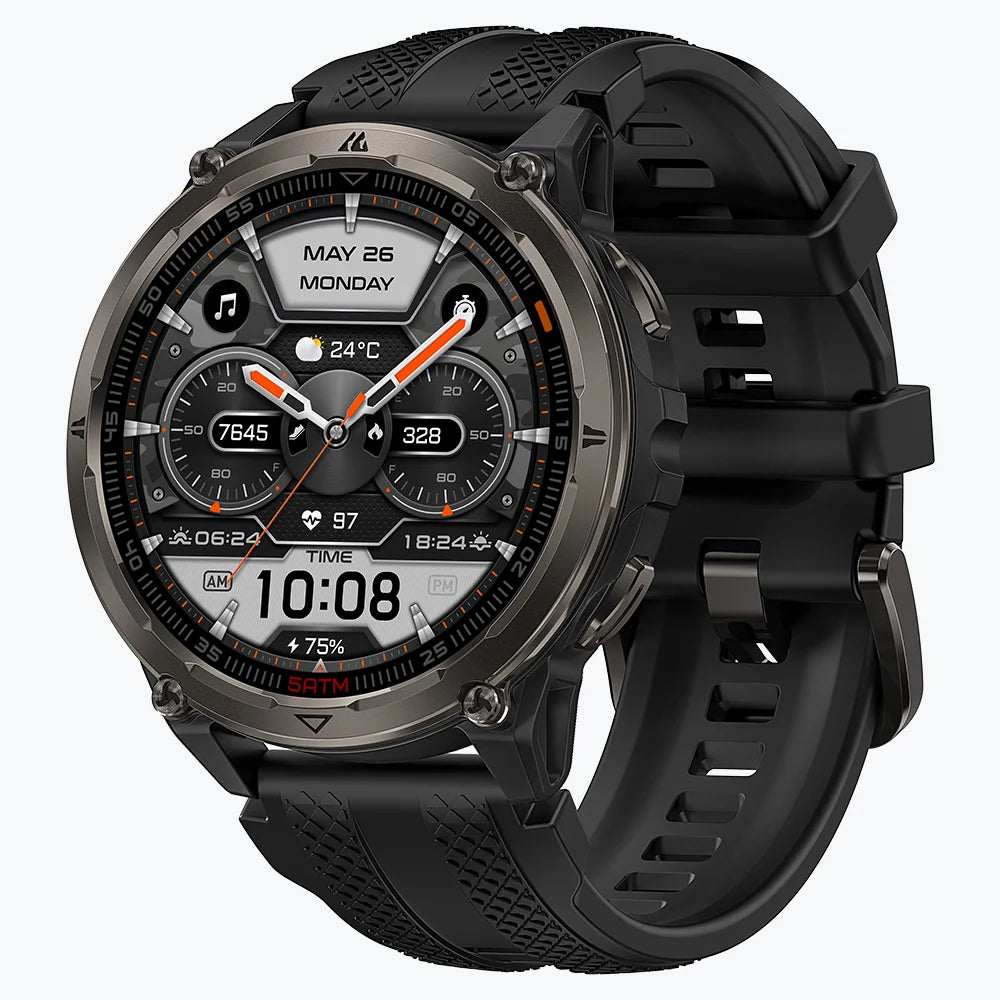
Best Sports Watch for Hiking: KOSPET T Series Picks
This section is about which KOSPET T model fits which hiking need, using the specs that affect hiking reliability.
| Model | GPS & Navigation for Hiking | Battery for Long Hikes | Water / Build Notes | Who It Fits Best |
|---|---|---|---|---|
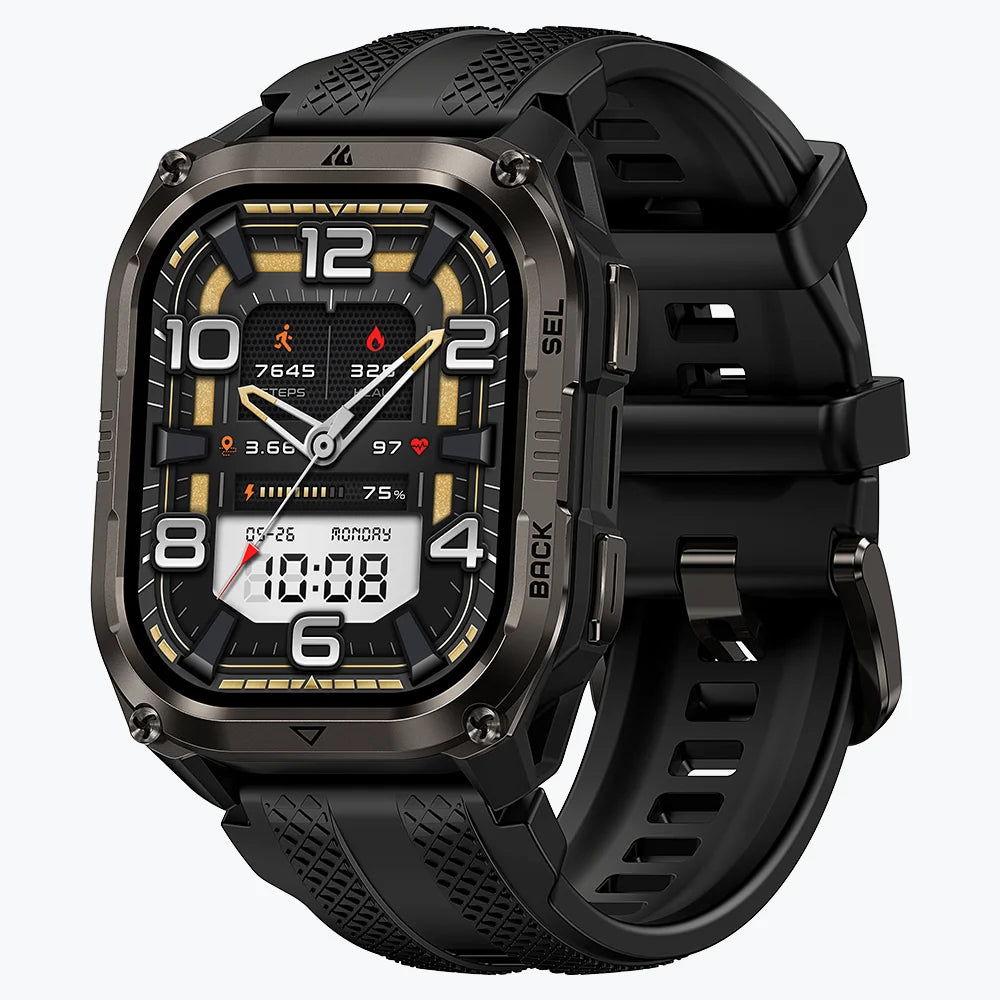
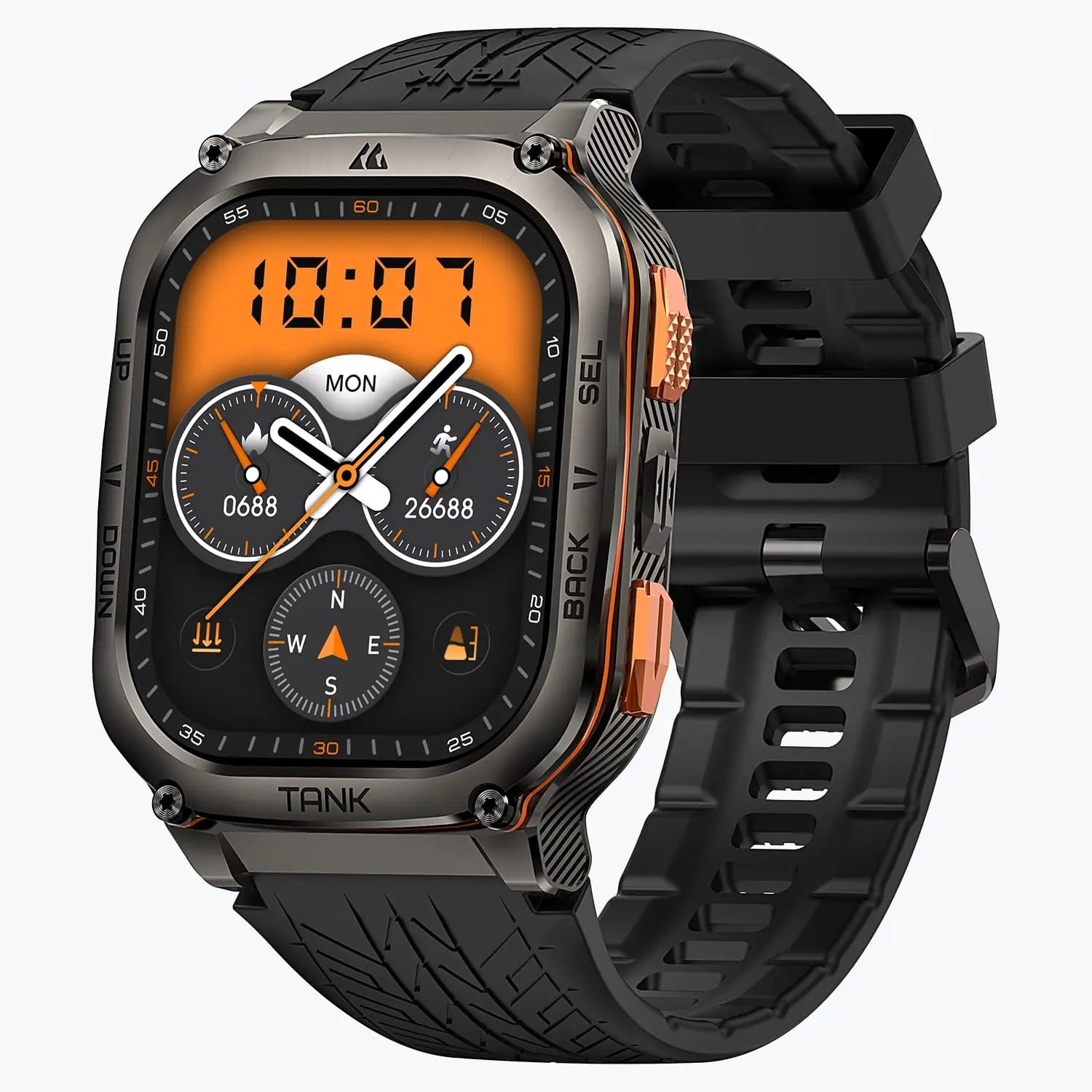
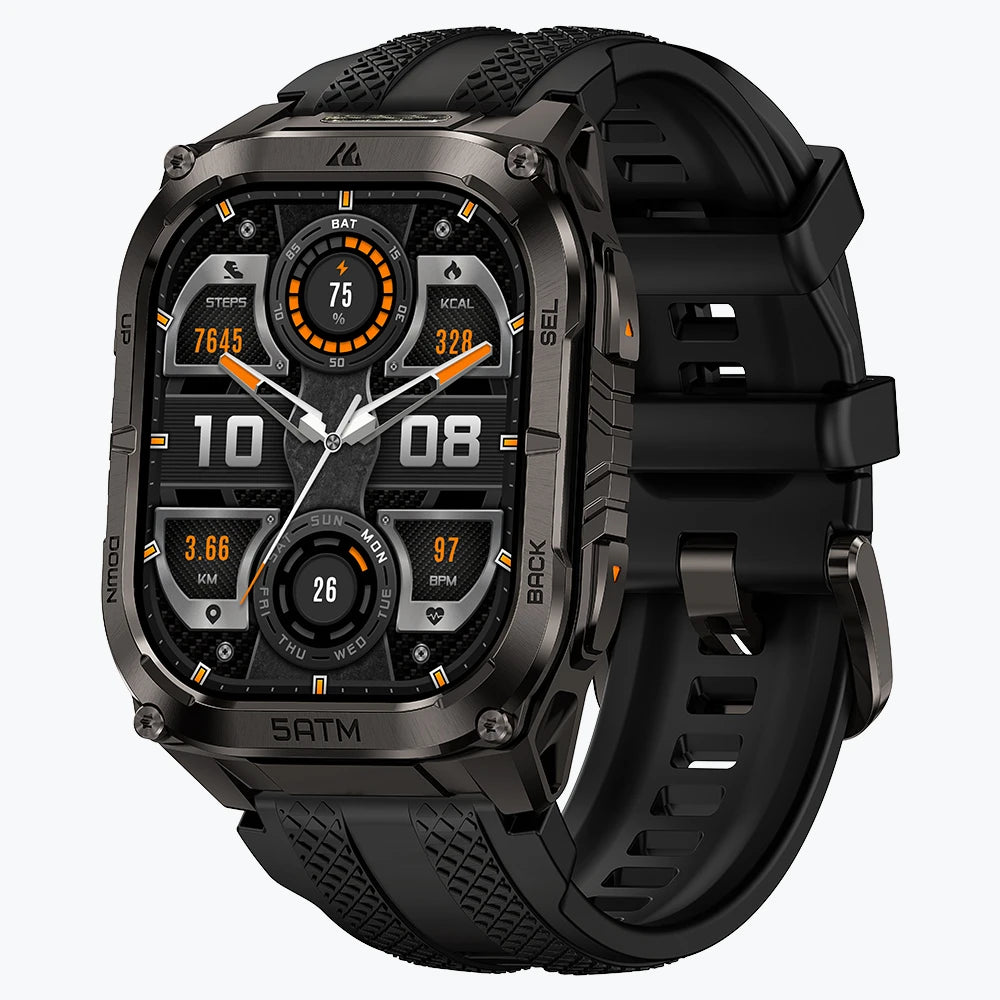
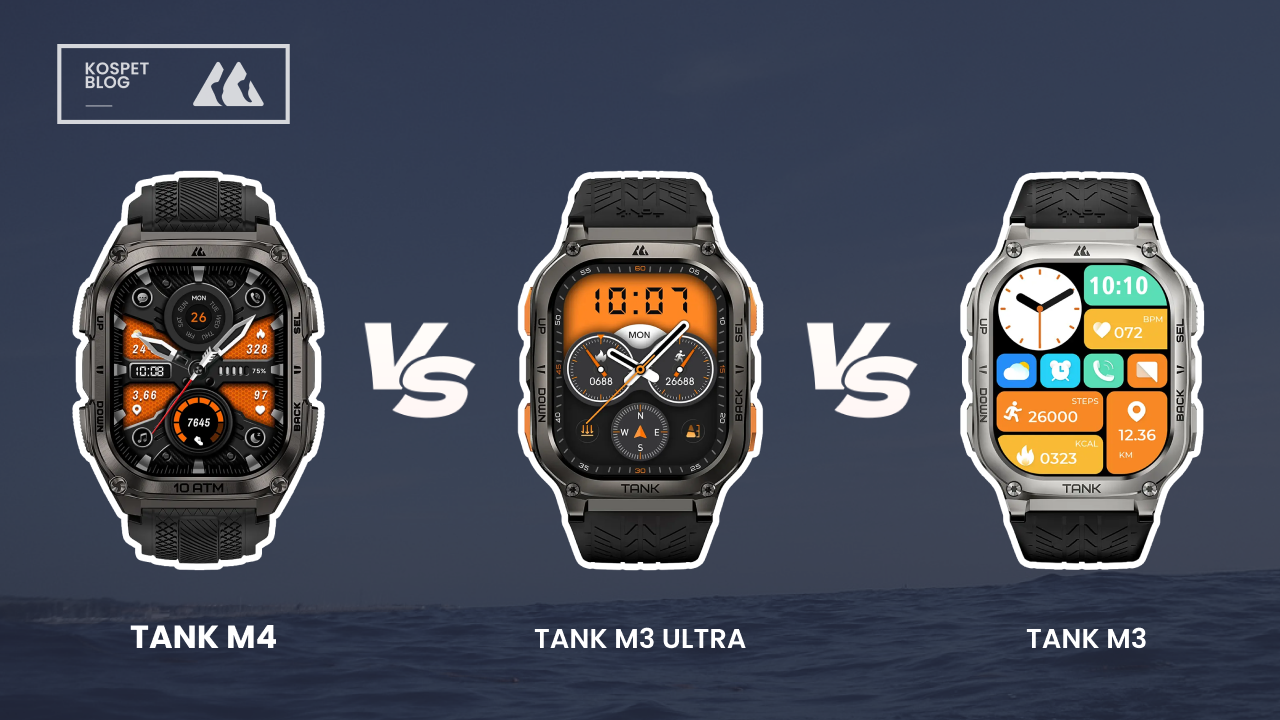
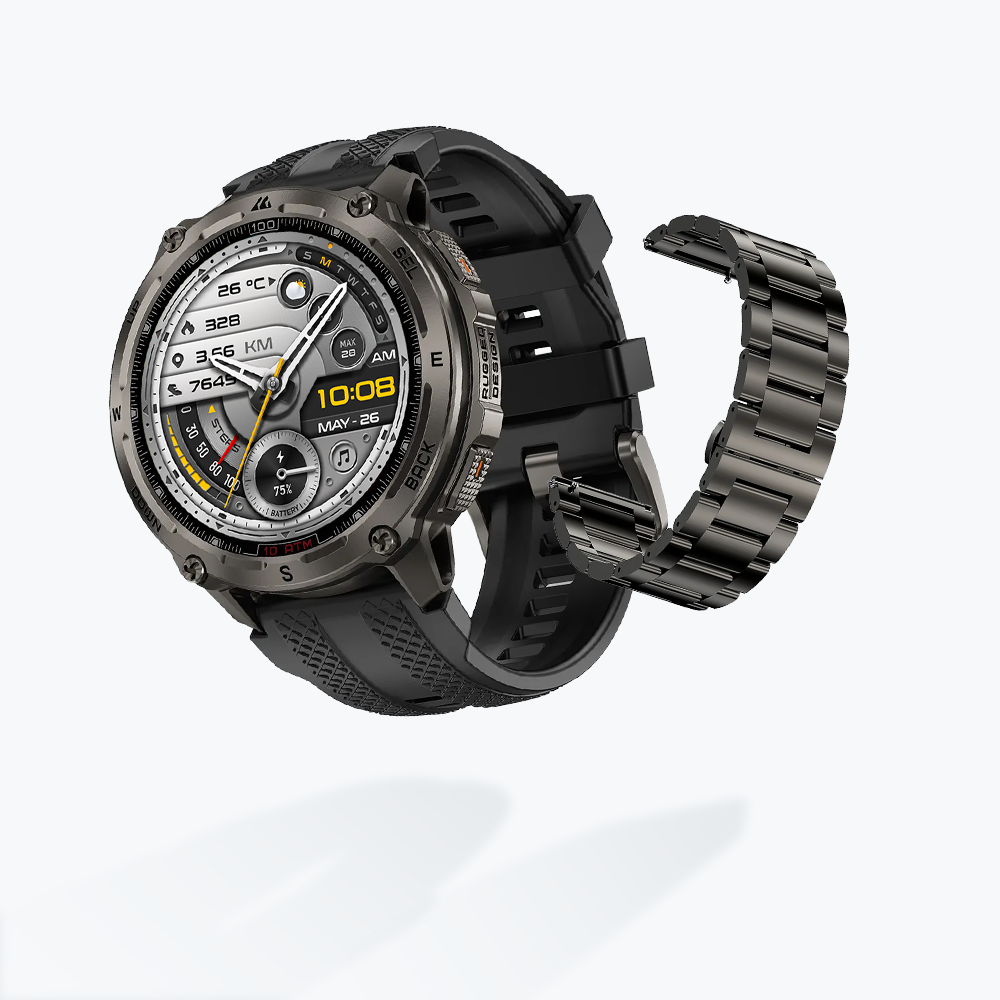
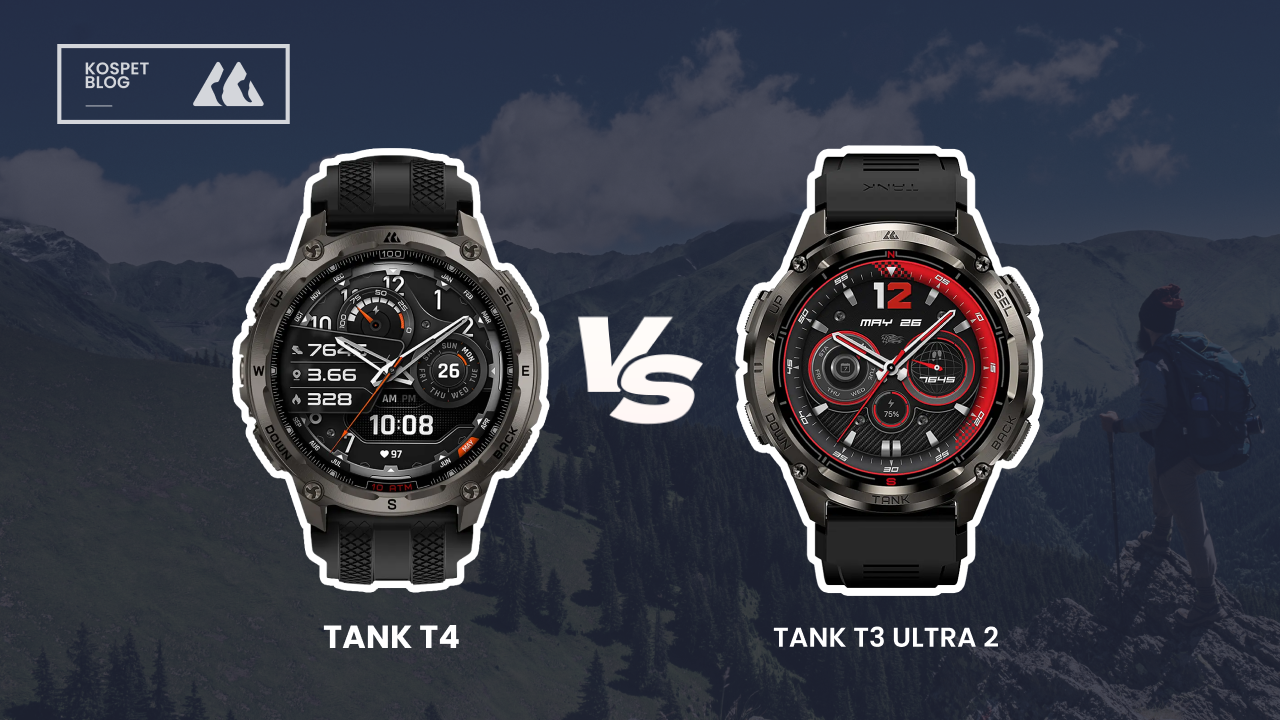
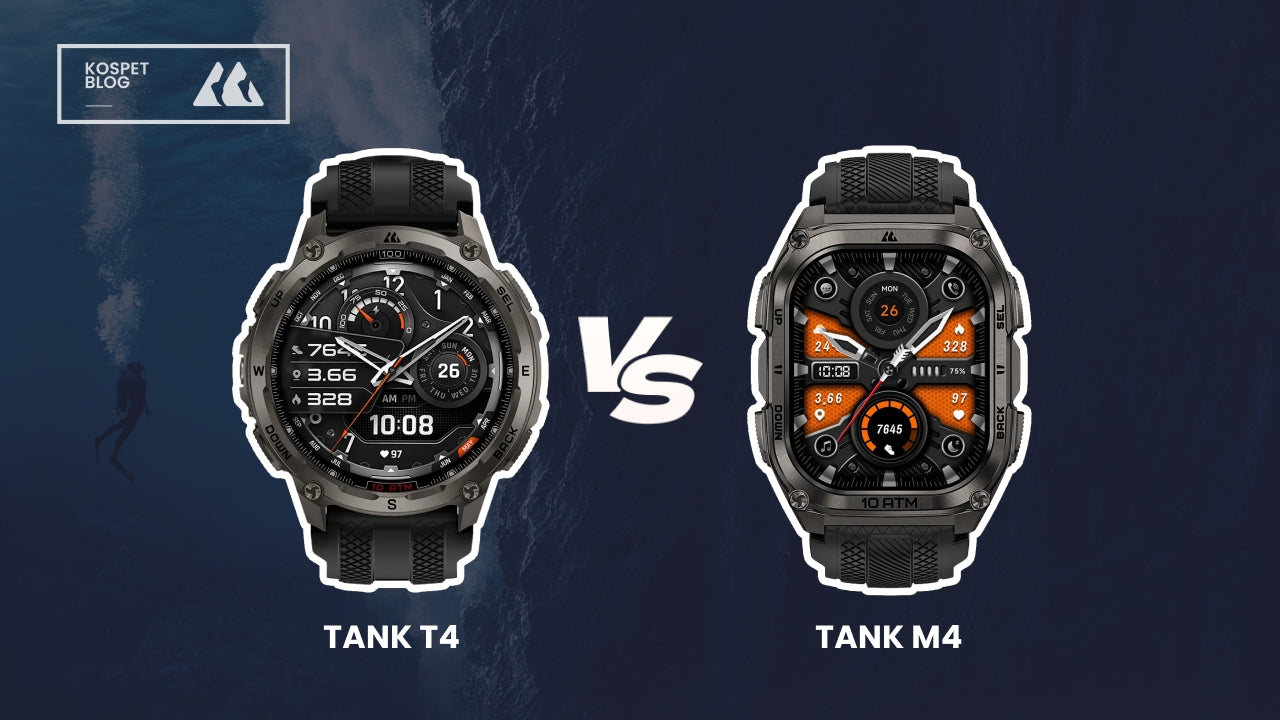
| KOSPET TANK T4 | Dual-band GNSS; supports offline maps and route import; built-in walkie-talkie (push-to-talk within 40 m radius noted on product page) | Typical use 14–15 days; continuous GPS 21–22 hours | 10 ATM + IP69K listed on specs | Hikers who want map context on the wrist and strong water rating for rough weather |
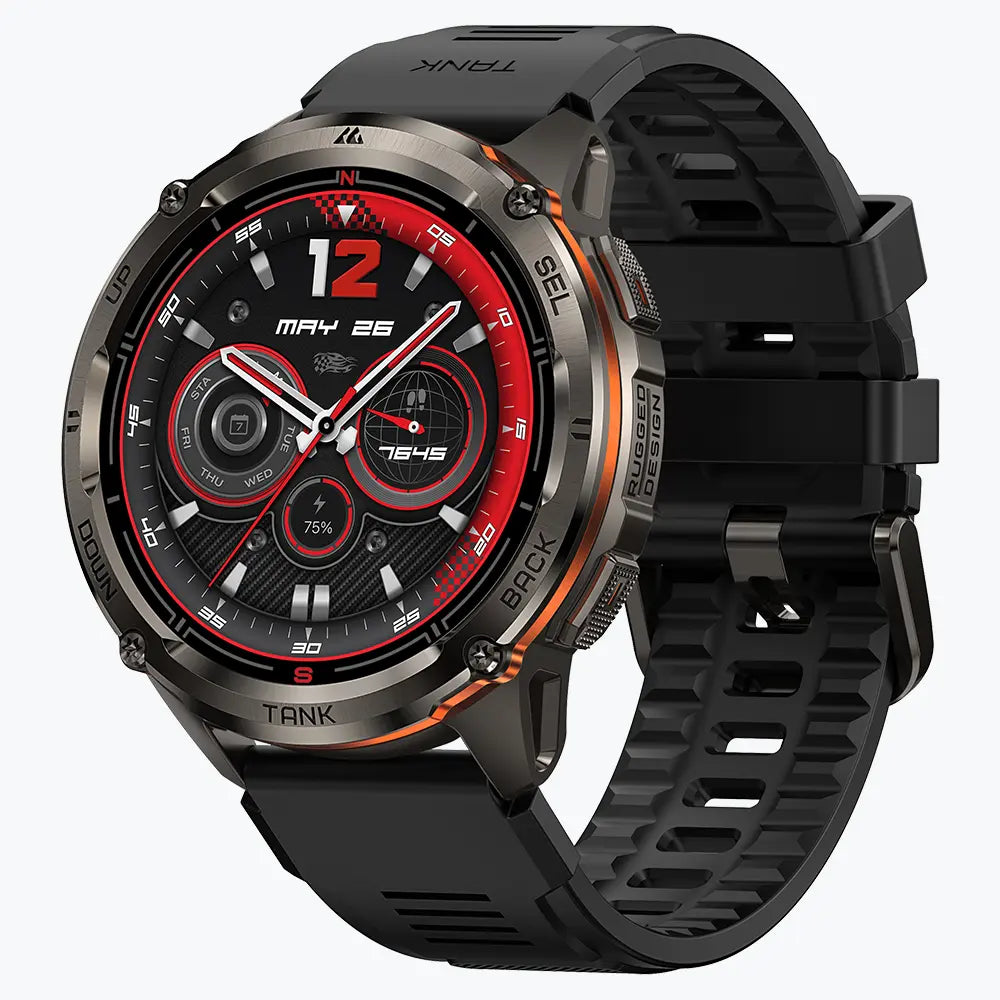
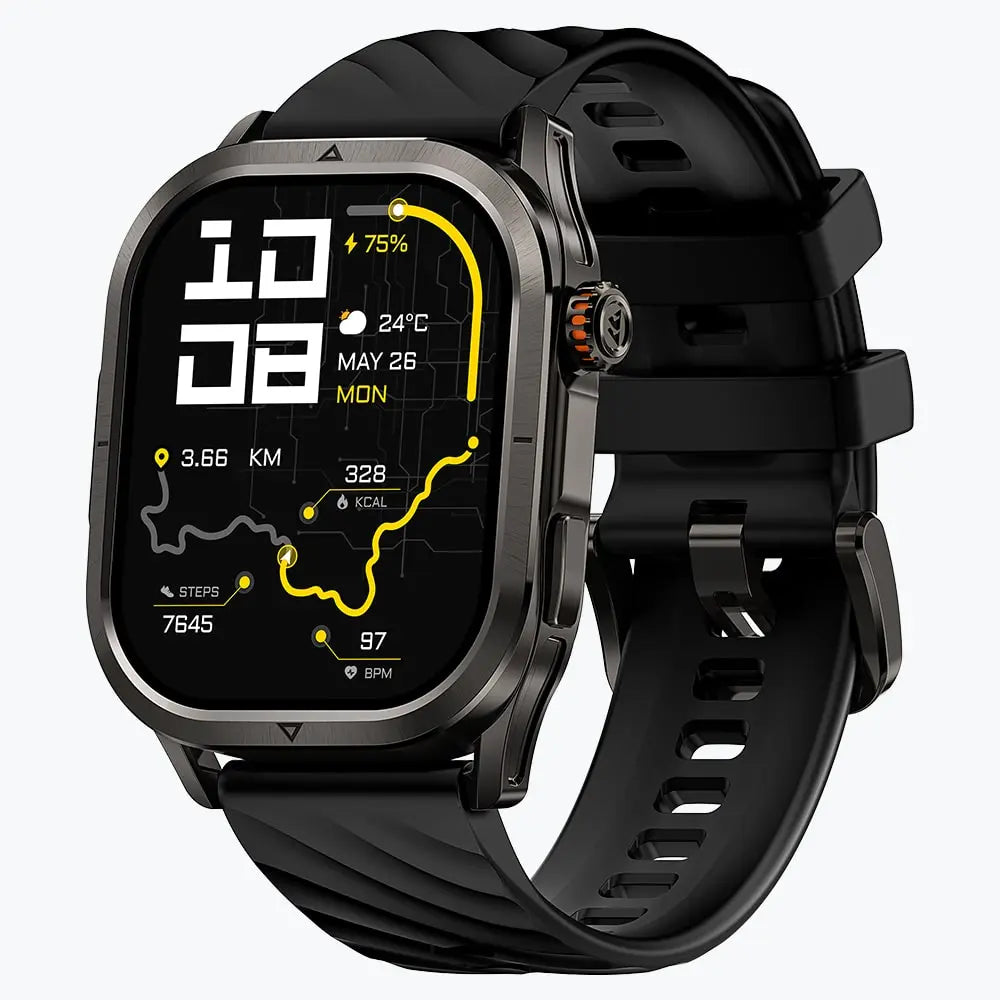
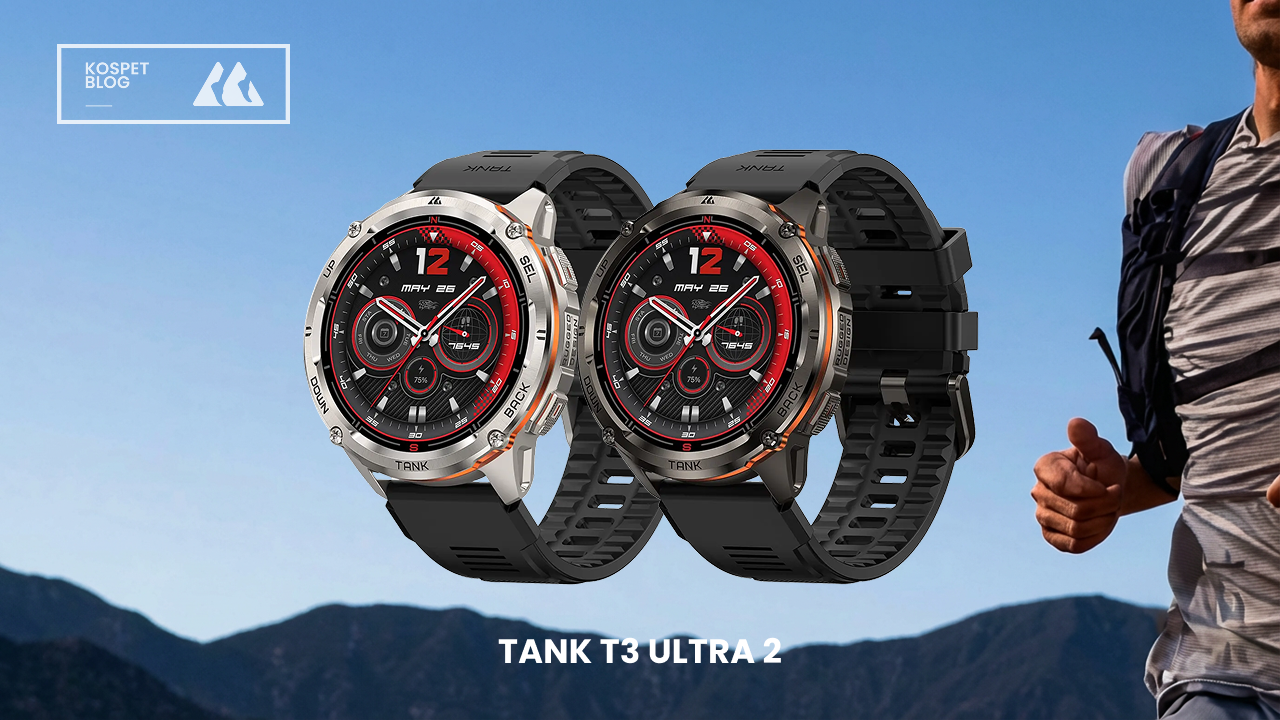
| KOSPET TANK T3 Ultra 2 | L1+L5 dual-frequency GPS and Route Back; official comparison notes it does not include offline maps / real-time navigation | Typical use 12–15 days; continuous GPS 30–35 hours | 5 ATM + IP69K listed | Hikers who care most about long GPS tracking time and route retracing |
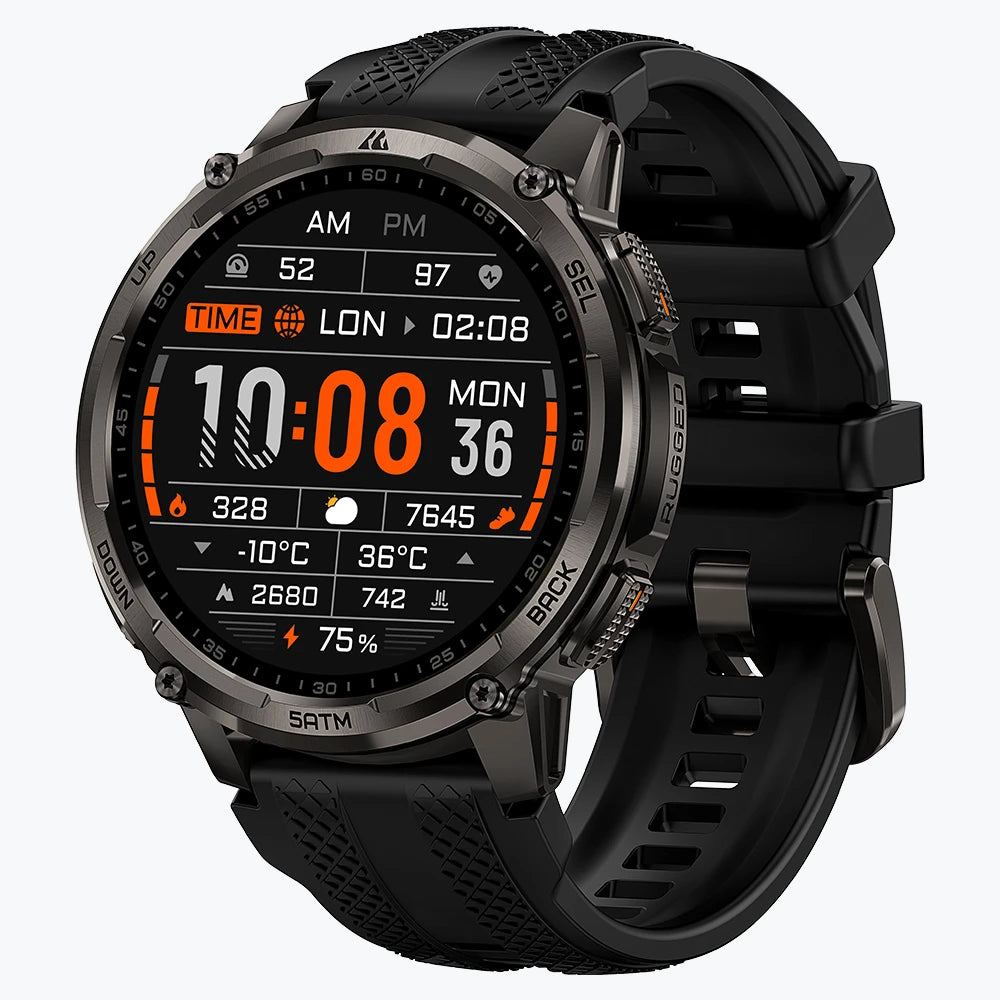
| KOSPET TANK T3 | Comparison article states no built-in GPS, so it does not act as an independent route device | 10–15 days daily use; 500 mAh battery listed | 5 ATM + IP69K listed | Hikers who want a rugged daily watch and rely less on watch-based navigation |
Conclusion
A “best sports watch for hiking” is the one that stays stable when the trail turns ugly.
The right pick follows a simple order: trustworthy GPS track, navigation that prevents wrong turns, GPS-hour battery, real water resistance, and durability you stop thinking about.
KOSPET T series splits cleanly by hiking need.Tank T4 focuses on offline maps + stronger water rating, T3U2 focuses on long GPS hours + route back, and T3 stays in the lane of rugged daily use with no built-in GPS.
FAQs
What matters most for hiking: GPS accuracy or battery?
Battery in GPS hours matters first because a dead watch records nothing. GPS trust matters next because a drifting track wastes time and can cause wrong turns.
Why does GPS get worse in forests and canyons
Forests and rock walls block and reflect satellite signals, which can cause track drift and larger position errors.
Is 5 ATM enough for hiking rain and sweat?
5 ATM is commonly treated as fine for daily water exposure and light water use, while 10 ATM is often treated as safer for more water exposure like swimming.





Leave a comment
This site is protected by hCaptcha and the hCaptcha Privacy Policy and Terms of Service apply.